
The Ultimate Guide to Ashes Tattoo Pain
Key Takeaways
- An ashes tattoo hurts about the same as any other tattoo of the same size and placement, because the prepared ink sits in the skin at the same needle depth as ordinary ink.
- Most people describe tattoo pain as a hot scratch or a cat’s claw dragged lightly across the skin, more irritating than agonising.
- Line work feels sharper and quicker, while shading builds into a warm, dull rub as the needle passes over the same area repeatedly.
- Placement is the single biggest factor a client controls, with the outer or upper arm, outer thigh, calf and forearm among the gentler areas, and ribs, sternum, spine, feet, hands and inner wrist among the sharper ones.
- Sleep, food, hydration and avoiding alcohol the night before all measurably change how much a tattoo hurts on the day.
- The first ten minutes are usually the worst, as the body braces, and the sensation eases once the client settles into it.
- A healing ashes tattoo feels like mild sunburn for two or three days before easing into an itch, exactly as any other tattoo does.
- Numbing creams work on the outer skin and typically wear off after an hour or two, so Bubblegum Ink asks clients to say in advance if they intend to use one.
An ashes tattoo hurts about the same as any other tattoo of the same size and placement. Once the ashes have been prepared and blended into a dedicated, particle-matched, high-quality tattoo ink, the finished ink sits in the skin and feels like ordinary ink going in. The needle depth is the same. The sensation is the same. The ashes don’t add to the sting and they don’t change how the skin heals afterwards. So if you’ve ever had a normal tattoo, you already know roughly what an ashes piece will feel like. If you haven’t, most people describe it as a hot scratch, or the feeling of a cat’s claw dragged lightly along the skin, more irritating than agonising.
That’s the simple question answered. The stretched out answer is what this page is for, because pain in a tattoo isn’t one flat thing. It shifts with where the needle is working, how tired you are, how you slept, whether you’ve eaten and how much the grief is sitting on you that day. A memorial piece carries a weight a butterfly on a whim doesn’t. Let’s go through all of it properly.
What Does Ashes Tattoo Pain Feel Like?
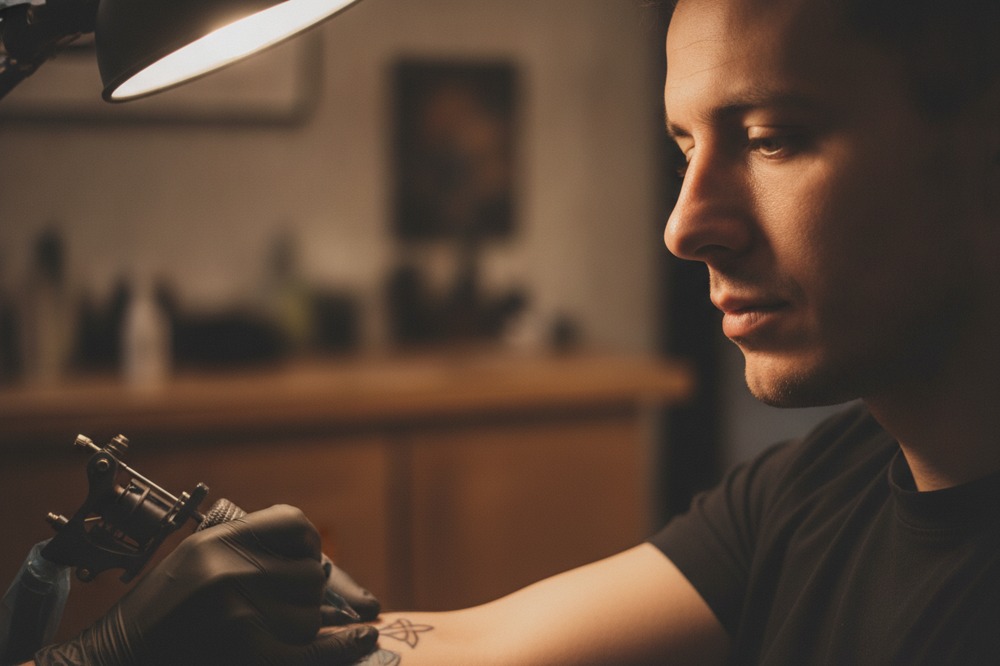
People expect a tattoo to feel like a deep, stabbing wound. It rarely does. A tattoo needle moves fast and shallow, tapping ink into the top couple of millimetres of skin. Most clients settle into it within the first few minutes and describe the feeling in fairly mild terms once the anticipation wears off.
The most common description is a scratching or scraping sensation, like a sunburn being gone over with a fingernail. On bonier spots you’ll feel more of a buzzing vibration through the skin. Line work tends to feel sharper and quicker. Shading, where the needle passes over the same area again and again, becomes more of a warm, dull rub that builds over time rather than a spike.
Because an ashes tattoo uses that prepared, blended ink rather than anything raw or gritty, there’s no extra scratchiness from the ashes themselves. This is a question we get asked a lot and the honest reassurance is covered in more detail on whether do ashes tattoos hurt more than normal tattoos. The particles are matched to the right size and worked into the ink so the machine handles it exactly as it would a standard colour.
There’s an emotional layer too that a normal tattoo doesn’t have. Some people find they barely notice the needle because their mind is somewhere else entirely, thinking about the person the ink came from. Others feel it more keenly because the whole thing is charged. Both are normal.
Where On The Body Does An Ashes Tattoo Hurt Least?
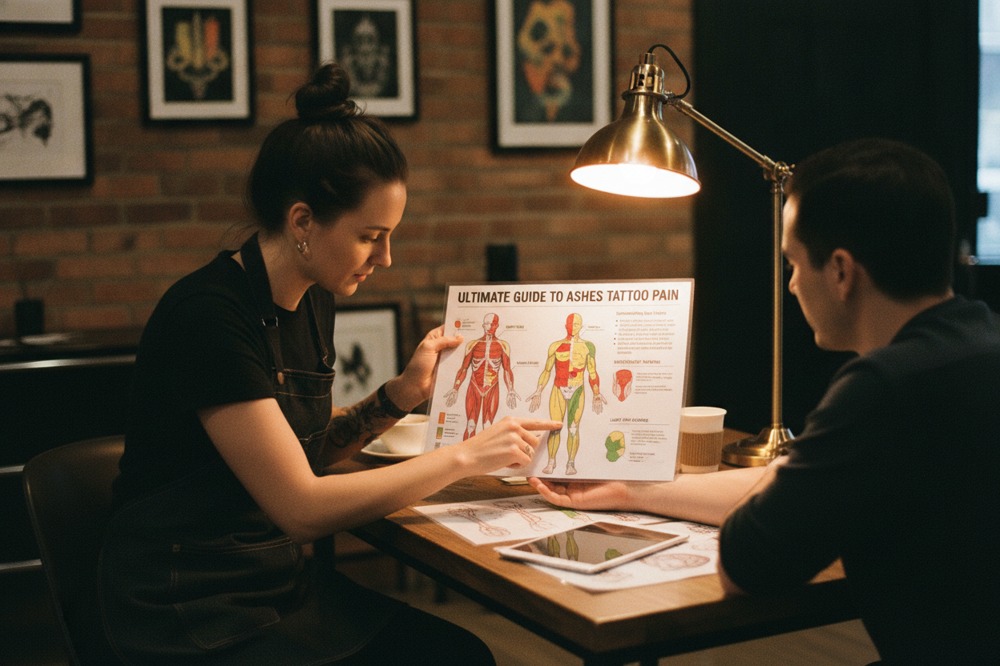
Placement is the single biggest thing you control for pain. The same design will feel very different on a forearm than it will on a rib.
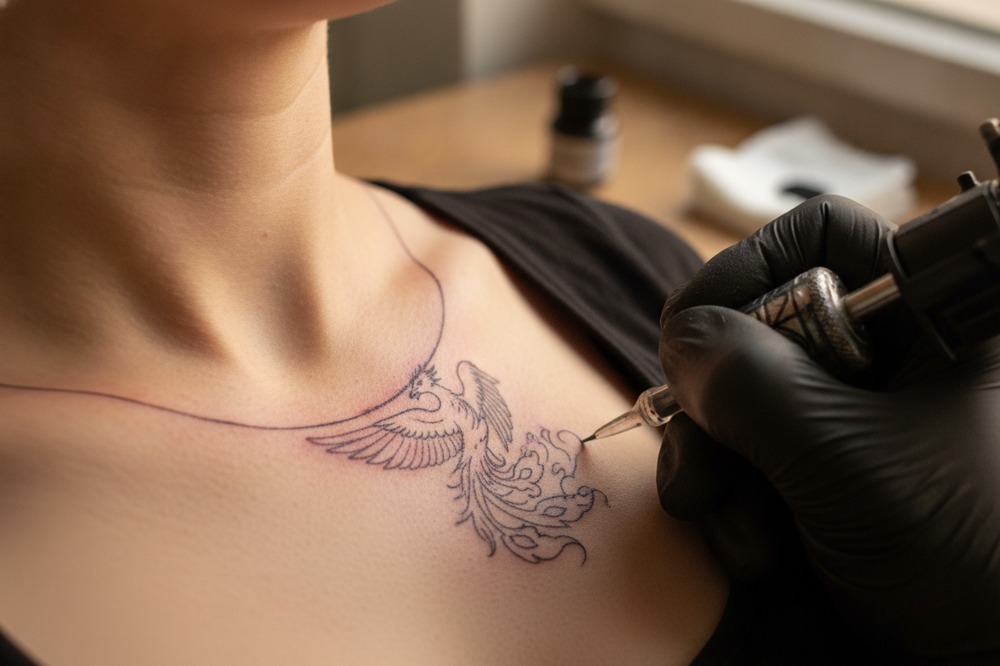
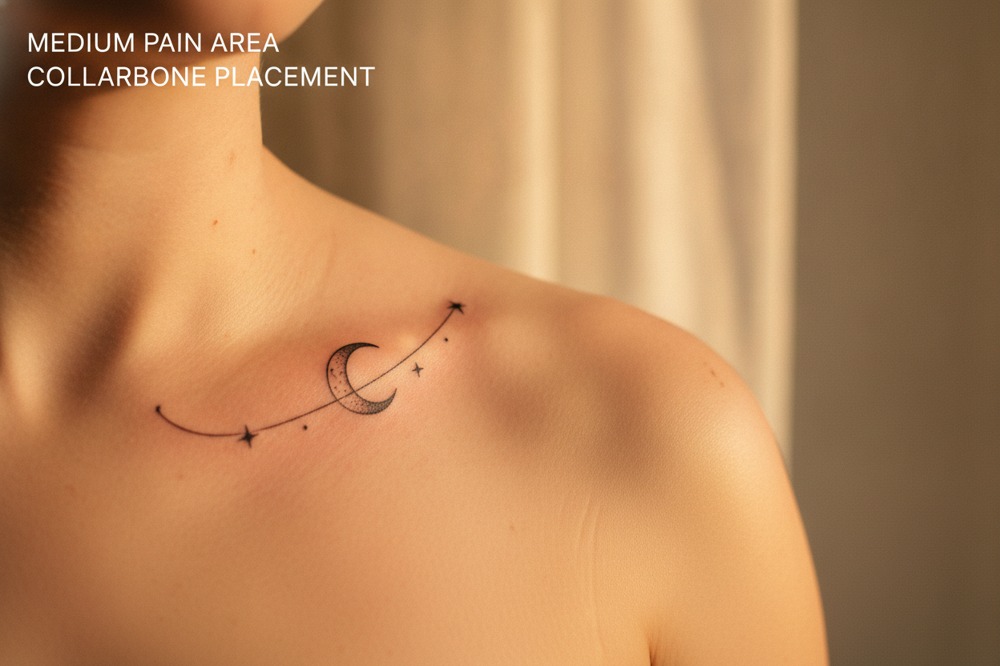
The gentler areas share a few traits. They’ve got a decent layer of muscle or fat under the skin, fewer nerve endings close to the surface and no bone sitting right underneath. The outer and upper arm is a favourite for a reason, it’s roomy, meaty and easy to sit still for. The outer thigh is similar, plenty of cushion and low sensitivity. The calf, forearm and shoulder all tend to sit in the comfortable-to-moderate range for most people.
If you’re specifically choosing a spot to keep discomfort down, the least painful places for an ashes tattoo go into this in real depth, area by area. It’s worth reading before you commit to a placement, especially if this is your first tattoo and the pain is a genuine worry rather than a passing thought.
The flip side matters too. Ribs, sternum, spine, feet, hands, the inside of the wrist and anywhere thin and bony over the ankle rank among the sharper spots. They’re not off-limits, plenty of beautiful memorial pieces live on ribs and wrists, but go in knowing it’ll bite more. A full breakdown of how every region compares is set out in tattoo pain by body area, which is handy if you’ve got a design in mind but haven’t settled where it’s going.

Why Do Some People Feel More Pain Than Others?
Two people can have the same tattoo in the same spot and rate it completely differently. A lot of that comes down to things you can influence on the day.
Sleep is a big one. Turn up exhausted and your whole nervous system is jumpier, so everything registers louder. Blood sugar is another. Going in hungry, or having skipped breakfast because your stomach’s in knots, makes people lightheaded and shaky and far more likely to feel faint partway through. Eat a proper meal beforehand and bring a sugary drink or a snack for a longer sit.
Alcohol the night before is worth mentioning honestly, it thins the blood, which makes the skin bleed more and take ink less cleanly and the tiredness that comes with a hangover makes the session harder work. Caffeine can have a similar edge for some, winding up the nerves. Hydration helps the skin behave.
Then there’s the mental side, which is huge with memorial work. Anxiety tightens everything and makes pain feel worse and grief can leave you raw and less able to sit with discomfort. This isn’t a weakness to push through, it’s just worth planning around. If nerves are the real hurdle, managing tattoo anxiety before an appointment is written exactly for that, with practical ways to steady yourself before and during the sit.
How Long Does The Pain Last During And After?
During the session, the discomfort isn’t constant. The needle stops often, for ink changes, wiping, stencil checks and breaks and those pauses reset you. Most people find the first ten minutes are the worst because the body’s bracing for it, then it eases as you adjust. There’s sometimes a dip in tolerance a couple of hours into a long session when the same area’s been worked over repeatedly, which is a good moment to call a short break, stretch and eat something.
Smaller memorial pieces, a name in someone’s handwriting, a small flower, a paw print, are often done inside an hour, so the pain is over quickly. Larger or more detailed work is broken across a longer sit or split into more than one appointment and there’s no shame in tapping out for the day if you’ve had enough. It’s your skin and your grief, there’s no medal for enduring more.
Afterwards, a fresh tattoo feels much like mild sunburn. It’s tender, a bit warm and sore to touch for two or three days, then it settles into an itch as it heals. That soreness is completely normal and not a sign anything’s wrong. The ashes being in the ink changes none of this, the healing runs the same course as any tattoo.
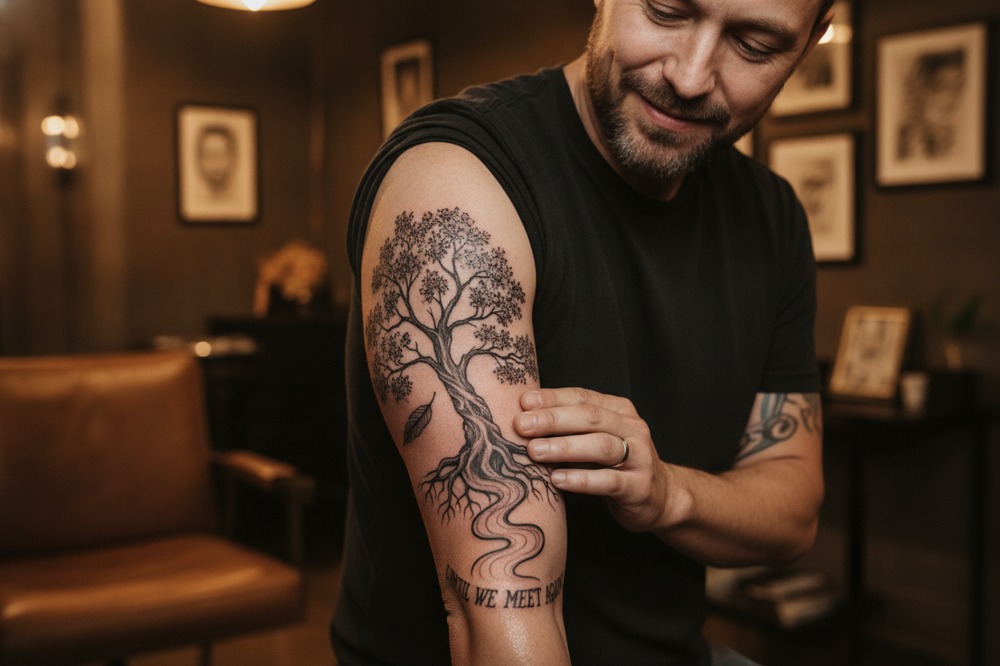
Can You Use Numbing Cream For An Ashes Tattoo?
Yes, numbing creams exist and some clients use them, particularly for tender areas or if pain is a serious barrier to getting the piece done at all. They’re not a magic switch though and there are a few honest caveats worth knowing before you rely on one.
Most topical numbing creams work best on the outer skin and wear off after an hour or two, so for a longer session the numbness fades partway through and you feel the rest as normal. Some can also firm up or slightly change the skin’s texture while they’re active, which a few artists find makes the skin work a little differently under the needle. If you want to use one, mention it well before the day so it can be factored in, applied correctly and given time to take effect. Don’t just turn up having slathered something on without saying.
Honestly, for a lot of people the anticipation is worse than the reality and once they’re twenty minutes in they realise they didn’t need anything. But if numbing cream is the thing that lets you go through with a tattoo you truly want, it’s a sensible tool, not a cheat.
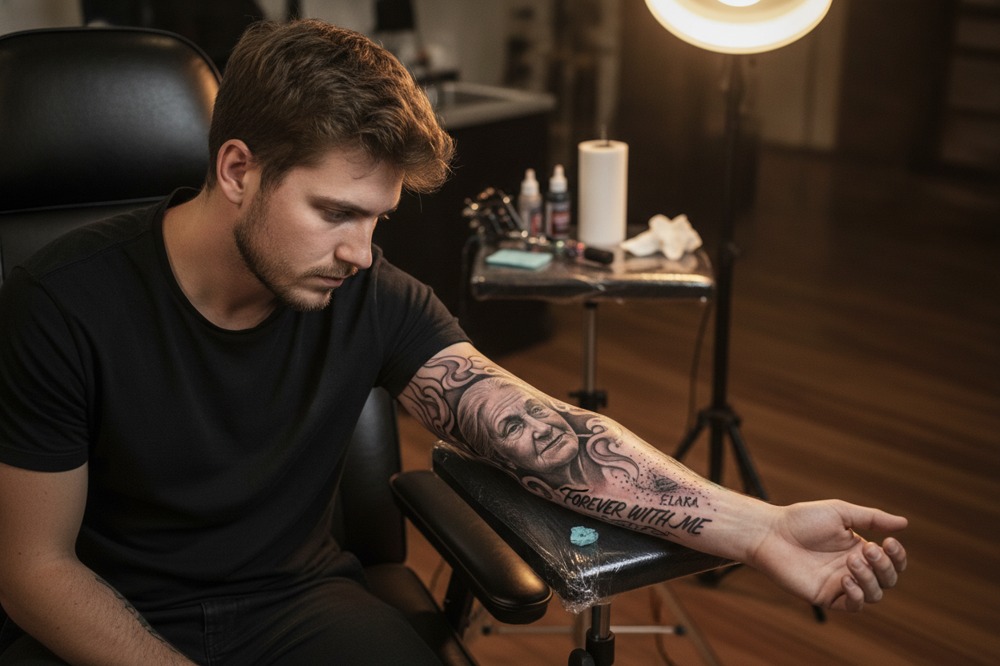
How Do You Prepare So The Pain Feels More Manageable?
Good preparation takes the edge off more than most people expect. A few simple things stack up.
Sleep well the night before. Eat a solid meal an hour or two ahead and bring water and a snack. Skip the drink the night before and go easy on strong coffee that morning. Wear loose, comfortable clothing that gives easy access to the area without you having to shiver in a cold room and something you don’t mind getting a smudge of ink on. If you tend to run cold or faint, say so, a warm room and being able to lie down make a real difference.
The mental prep matters just as much for memorial work. Give yourself space around the appointment, don’t cram it between a work meeting and a school run. Bring someone with you if their presence steadies you, or come alone if you’d rather sit quietly with it. Breathing slowly and deliberately through the busier bits, genuinely dampens the sensation, panicked shallow breathing makes it sharper. If this is your very first tattoo, first tattoo tips for nervous clients walks through the whole thing step by step so nothing on the day catches you off guard.
For the fuller picture of how tattoo pain works and how ashes fit into it, do ashes tattoos hurt is the cornerstone page this guide sits under and it’s a good next read.
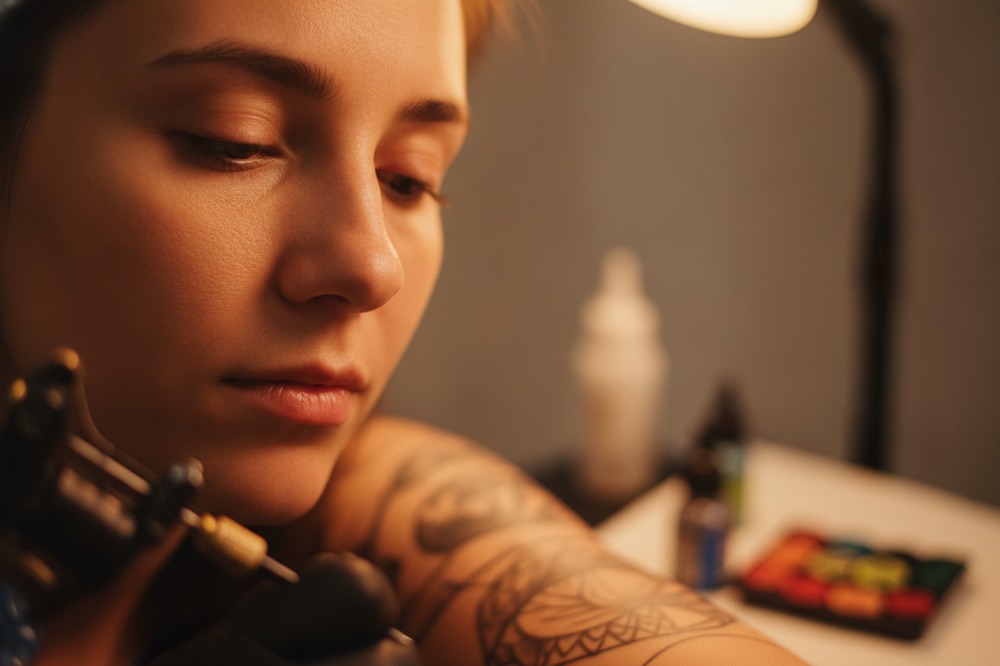
Does The Ashes Preparation Add Any Discomfort?
This is the worry underneath a lot of these questions, so let’s put it plainly. It doesn’t. The ashes go through a careful preparation before they ever reach the machine. They’re matched to the right particle size, cleaned, sterilised to clinical standards and cleared of contaminants, then blended into a dedicated, particle-matched, high-quality tattoo ink. By the time it’s tattooed, it flows and settles like any professional ink.
There’s no grittiness, no roughness and nothing abrasive being dragged through the skin. That’s why the pain of an ashes tattoo maps so closely onto a normal one. What people are really asking, often, is whether it’s safe as well as whether it hurts and the preparation is what makes it both. The needle work, the sensation and the aftercare are ordinary. The only extraordinary part is what’s in the ink.
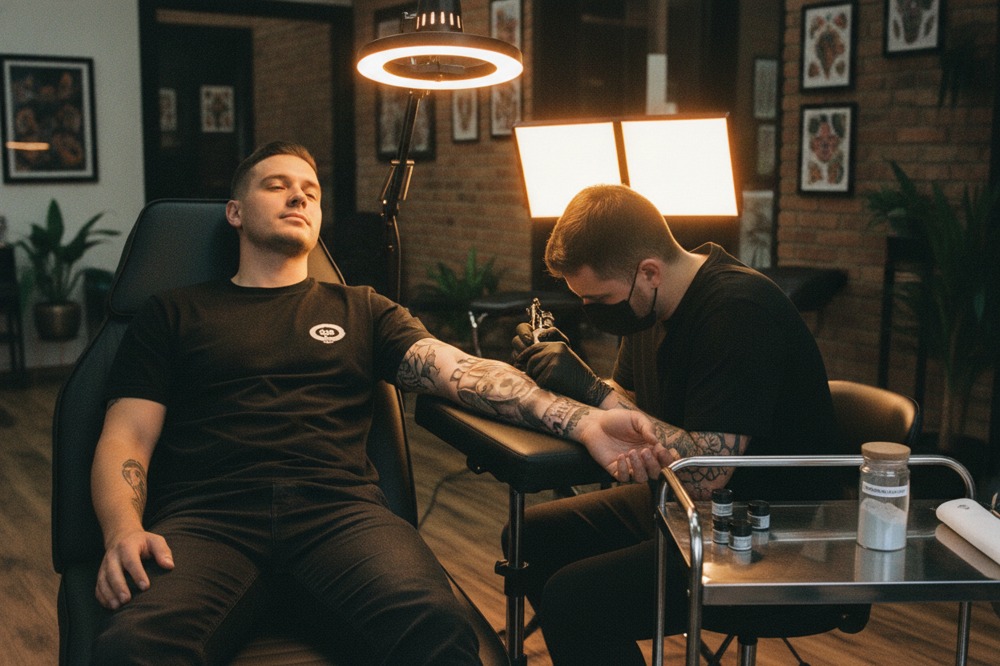
What Happens With The Ashes On The Day?
Since this comes up alongside pain worries, it helps to know how the appointment runs. You bring the whole container of ashes with you on the day, not posted ahead and only a small amount is taken to prepare, roughly a teaspoon to a tablespoon depending on the piece. The rest goes home with you.
The ashes stay in view the entire time. Nothing is taken off to a back room, nothing happens out of your sight. If handling the ashes yourself feels like too much, that’s completely understood, the studio does it gently while you watch or look away, whatever you can manage. For a lot of people that visibility is a comfort in itself and it takes some of the anxiety and therefore some of the felt pain, out of the whole thing. Knowing exactly what’s happening steadies you.
Is An Ashes Tattoo Worth The Discomfort?
Nearly everyone who sits for one says yes, without hesitation and the pain barely features in how they remember the day. What stays with them is carrying a piece of someone they loved in their skin, permanently, somewhere they can see it or touch it whenever they need to.
The discomfort is real but it’s brief and manageable and it’s the same discomfort millions of people go through for tattoos that mean far less to them. Framed against what you’re getting, a lasting tribute made partly of the person themselves, most find it a very small price. If the practical side is on your mind too, what an ashes tattoo costs covers pricing honestly and the broader complete ashes tattoo guide pulls together everything from design to aftercare in one place.
Who’s Doing The Work, And Why Does It Matter For Pain?
The hand holding the machine changes how a tattoo feels more than most people realise. A steady, experienced artist works efficiently, wastes no passes and knows how to keep you comfortable, all of which shortens the time your skin is under the needle and keeps the discomfort down.
Bubblegum Ink is a private, appointment-only studio in Sandbach, Cheshire, run by Paul Cutler. Paul has specialised in cremation ashes tattoos for 20 + years, within a tattooing career of over 30. That specialism means the ashes side is second nature, the preparation is handled properly and the actual tattooing is calm and assured. It’s a quiet one to one setting, not a busy shared floor, which for a memorial piece matters, you’re not sitting exposed in a room full of strangers while you’re feeling fragile. The privacy lets you take your time, feel what you need to feel and stop when you need to.
Get In Touch When You’re Ready
There’s no rush and no pressure to book before you’ve had your questions answered. If pain is the thing holding you back, the easiest first step is simply to ask, tell us where you’re thinking of having the tattoo, roughly what size and any worries about the sit and we’ll talk you through honestly what to expect for your particular piece. From there, if it feels right, we can talk design and dates.
You can call the studio on 01270 385001 or email info@bubblegumink.com. Take it at your own pace. This is a tattoo you’ll carry for the rest of your life and it’s worth getting it right in a way that feels calm for you.
FAQ
Does An Ashes Tattoo Hurt More Than A Regular Tattoo?
No. Once the ashes are prepared and blended into the ink, they behave like ordinary ink in the skin, so the needle depth and sensation are the same as any tattoo of that size and placement. The ashes add nothing to the pain, there’s no grittiness and the healing runs the same course.
Where Is The Least Painful Place To Get An Ashes Tattoo?
The gentler spots are areas with muscle or fat underneath and no bone near the surface, so the outer or upper arm, the outer thigh, the calf and the forearm tend to be the most comfortable. Ribs, sternum, feet, hands and the inner wrist are sharper. Placement is the biggest thing you control for pain.
Can I Use Numbing Cream For My Ashes Tattoo?
Yes, some clients do, especially on tender areas or if pain is a real barrier. Most creams work on the outer skin and wear off after an hour or two, so on a longer session the numbness fades partway through. Mention it well before the day so it can be applied correctly and given time to work.
How Should I Prepare To Cope With The Pain On The Day?
Sleep well, eat a proper meal an hour or two before and bring water and a snack. Avoid alcohol the night before and go easy on strong coffee. Wear comfortable clothing with easy access to the area, breathe slowly through the busier passages and give yourself calm space around the appointment rather than squeezing it between other things.
Does The Pain Last A Long Time After The Tattoo Is Done?
A fresh ashes tattoo feels like mild sunburn, tender and warm to touch for two or three days, then it eases into an itch as it heals. That soreness is normal and not a sign of a problem. Because the healing is the same as any tattoo, the ashes being in the ink doesn’t lengthen or worsen recovery.
Will I Feel The Ashes Going Into My Skin?
No. The ashes are matched to the right particle size, cleaned, sterilised and cleared of contaminants, then blended into a dedicated, particle-matched, high-quality tattoo ink. By the time it’s tattooed there’s nothing gritty or abrasive to feel, the ink flows and settles like any professional colour.
Written by Paul Cutler, founder of Bubblegum Ink. Read more about Paul.