
Your First ? First Tattoo Tips for Nervous Clients
Key Takeaways
- Most first-timers find the first thirty seconds the loudest part, and the bracing drops away once the body updates its guess at around the two or three minute mark.
- The sensation most people describe is a hot scratch rather than a stab, and it is not constant, because the artist lifts off to wipe, reload and reposition every few seconds.
- An ashes tattoo feels no different to an ordinary one, since the prepared ashes are blended into bespoke tattoo ink and behave like any other ink once in the skin.
- Fleshier areas such as the outer upper arm, forearm, outer thigh and calf ride easier for a first tattoo than thin skin over bone like ribs, feet, collarbone and inner wrist.
- Eating a proper meal a couple of hours beforehand is what prevents the light-headed, clammy feeling that nervous clients usually mistake for not coping.
- Aspirin, ibuprofen and alcohol should all be avoided before a tattoo, as they thin the blood and lead to more bleeding and a slower heal.
- Clients can stop at any point for a break, a drink or a few minutes of conversation, and Bubblegum Ink treats that as normal rather than a problem.
- Around a teaspoon of ashes is used and everything else goes home with the client, so nothing about the day is a point of no return.
- Bubblegum Ink is private and appointment only, with one support person welcome, so there is no shared floor, no queue and no audience.
Most people are far more nervous in the car than they ever are in the chair. That’s the thing nobody warns you about. The dread builds for days, sometimes weeks and then the needle starts and within a couple of minutes your body works out it isn’t the pain you’d imagined. The anticipation is nearly always worse than the reality and that’s doubly true when your first ever tattoo is carrying a loved one’s ashes, because the emotion of the day gets tangled up with the fear of the unknown. So the single best thing a nervous first-timer can do is separate those two worries out. One is about grief. The other is just about a sensation you’ve never felt before and it’s a manageable one.
I’ve tattooed for over 30 years and I’ve spent 20 + of those specialising in ashes work. A good chunk of the people who sit down with me have never been tattooed at all. Their first one is for their mum, their dad, their dog. So this isn’t a niche worry to me, it’s most of my week.
Why Is The Fear Of A First Tattoo Usually Worse Than The Tattoo Itself?
Your nervous system is guessing. It has no filed-away memory of what a tattoo feels like, so it fills the gap with the worst thing it can imagine, usually something closer to a deep cut or a burn. The real feeling is neither. Most people land on “a hot scratch” or “a cat scratch that keeps going.” It’s a nagging, warm, dragging sort of sensation rather than a sharp stab and crucially it isn’t constant. I lift off, wipe, reload, reposition. Those little pauses give you a breather every few seconds without you even asking.
There’s a well-known pattern too: the first thirty seconds feel like the loudest part, because that’s your brain bracing. Then it settles. Nearly everyone visibly relaxes their shoulders around the two or three minute mark and says some version of “oh, that’s it?” If you want a fuller breakdown of the sensation across the whole session, the ashes tattoo pain guide walks through it stage by stage.
Does A First Ashes Tattoo Hurt More Because Of The Ashes?
No and this catches a lot of nervous people off guard in a good way. The ashes are matched to the right particle size, cleaned, sterilised to clinical standards and cleared of contaminants, then blended into a bespoke, particle-matched, high-quality tattoo ink that I prepare for the job. Once that’s in your skin it behaves like any ordinary ink. Same sensation, same healing. You are not going to feel grit, you are not going to feel anything sharper because it’s a memorial piece rather than a butterfly on a whim. I go into the why of that on do ashes tattoos hurt more than normal tattoos, but the short version is that as a first-timer you can take the word “ashes” out of the pain equation entirely. The feeling on the day is a normal-tattoo feeling.
What can catch you is the emotional side, not the physical one. It’s common to well up when the ashes go into the ink. That’s not pain, that’s the day landing on you and it’s completely fine. I’m used to it and there’s no rush.
Where Should A Nervous First-Timer Get Their First Tattoo Placed?
Placement changes the whole experience and for a first tattoo it’s worth being a bit tactical rather than picking the spot that hurts most just because that’s where you pictured it. Fleshier, more padded areas ride easier: the outer upper arm, the forearm, the outer thigh, the calf. Thin skin straight over bone is where people feel it most: the ribs, the top of the foot, the collarbone, the inside of the wrist, the ankle. None of those are off limits, plenty of first tattoos go there, but if your nerves are the main hurdle, choosing a forgiving spot for number one is a kindness to yourself.
Size and detail feed into this too. A smaller, simpler piece means a shorter time in the chair, which for an anxious person is often the deciding factor. You can always place a bigger memorial design somewhere tender later, once you know your own tolerance. I’ve laid out the gentler options on least painful places for an ashes tattoo if you want to weigh up specific spots before you commit.
What Should I Do The Night Before And The Morning Of?
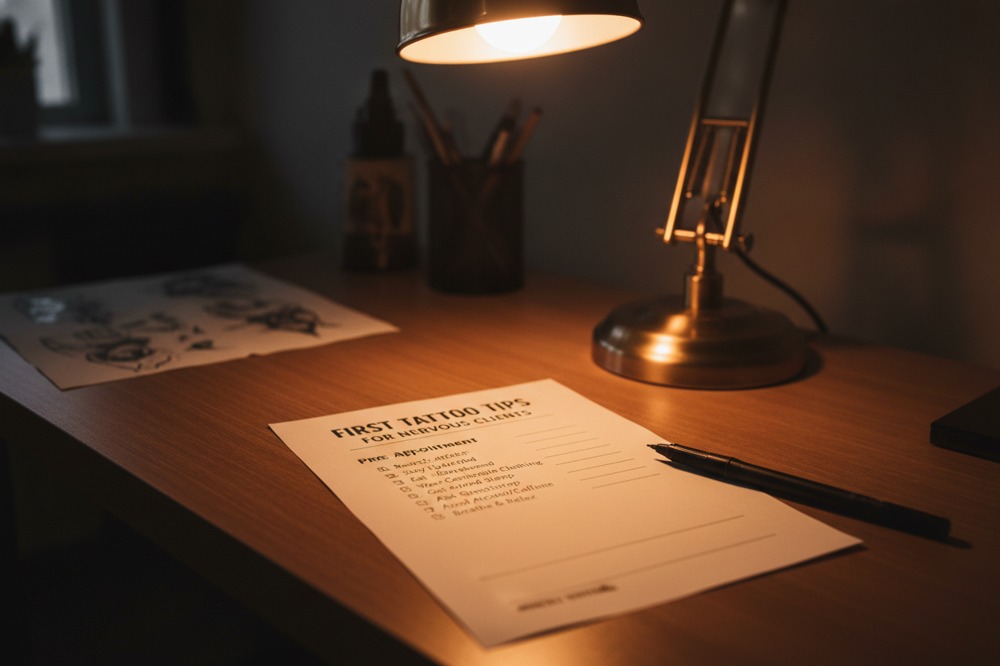
The practical prep is genuinely half the battle and it’s the part you have full control over. Sleep matters more than people think, because a tired body reads discomfort as bigger than it is. Don’t drink the night before. Alcohol thins the blood and makes for a harder session and a messier heal and it does nothing for the nerves the next day anyway.
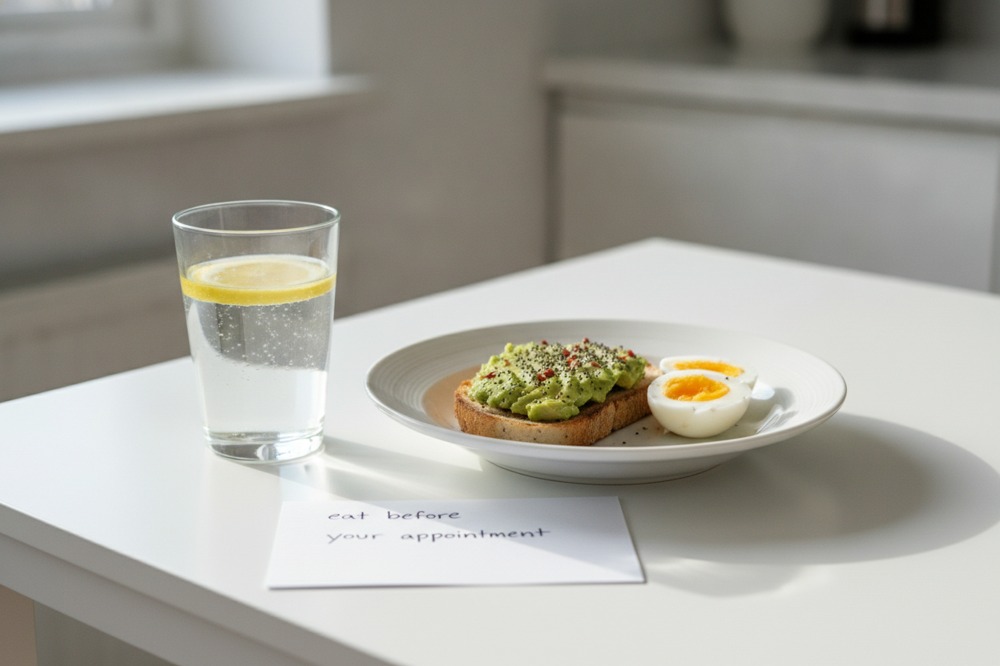
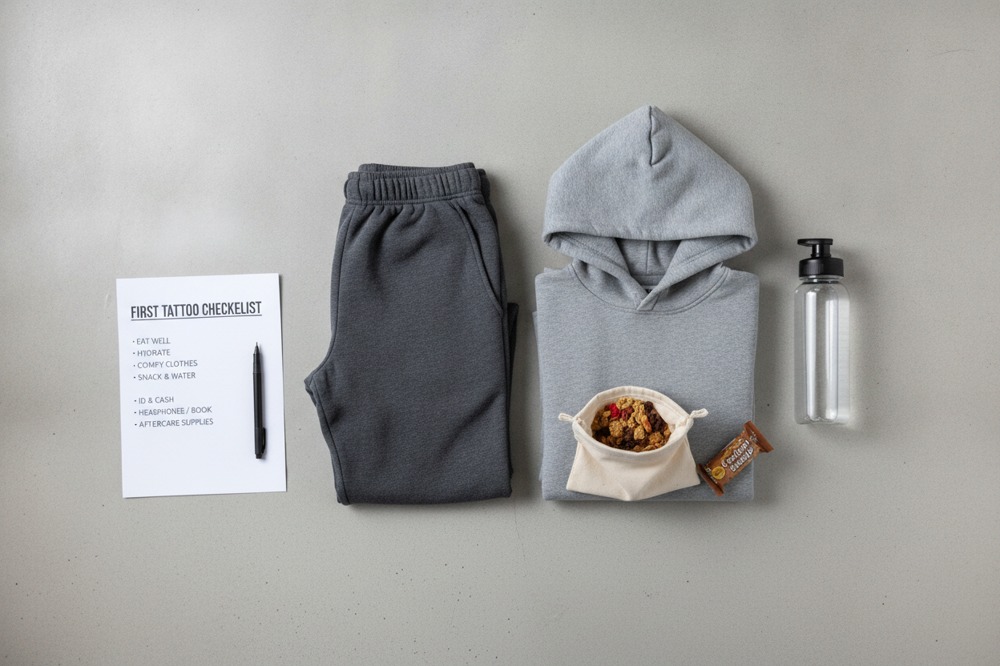
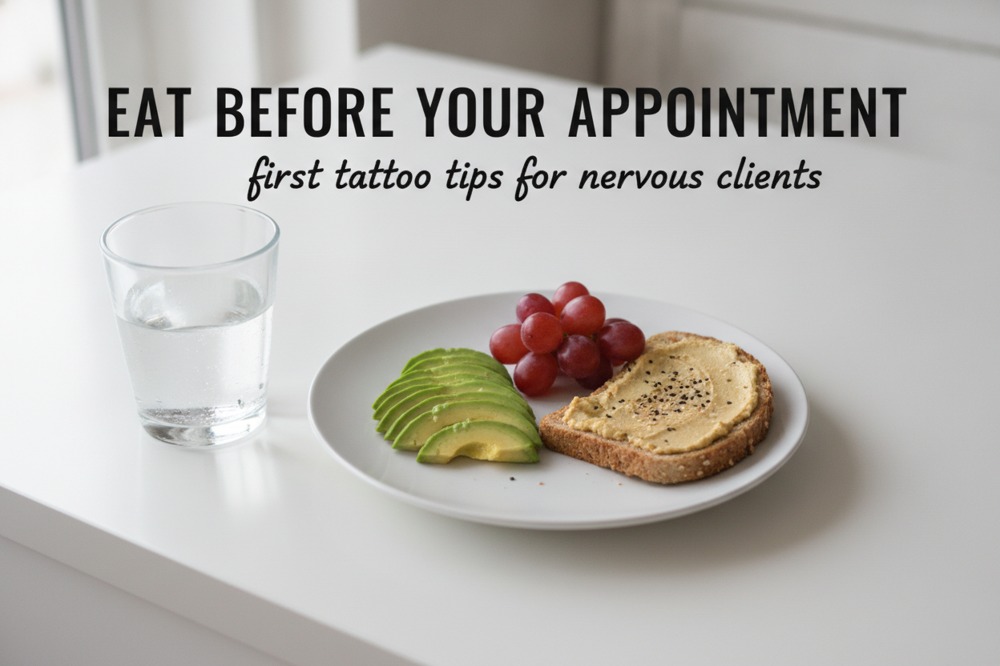
Eat a proper meal a couple of hours before you come in, not just a coffee and a slice of toast. A steady blood sugar level is what stops the wobbly, light-headed, clammy feeling that people wrongly blame on “not coping” when really they just skipped breakfast. Bring a sugary drink and a snack for the same reason. Wear loose, comfortable clothes that let me get to the area without you having to shuffle around half-dressed and cold. And build in a buffer so you’re not sprinting in from a stressful drive, still breathing hard. Arriving ten minutes early and just sitting for a moment does more for your nerves than anything else on this list. There’s more on quieting the run-up in managing tattoo anxiety before an appointment.
Can I Stop, Take Breaks Or Change My Mind Once We’ve Started?
Yes, always and I want you to hear that plainly because it’s the reassurance that settles most nervous people. You are not strapped in. Say the word and we stop. Need a minute, a glass of water, a walk to the door and back, a chat about something else entirely for two minutes? That’s normal and it costs us nothing. Some people want to know exactly what I’m about to do before each stage, others would rather I just get on with it and not narrate. Tell me which one you are.
That sense of control runs through the whole appointment and it’s the same principle behind how I handle the ashes themselves. Nothing happens in a back room. The ashes stay in view the entire time, right there on the workstation and you decide how involved you want to be. Some people want to watch every step of the ink being prepared. Others find that too much and would rather look away while I do it gently. Both are right. It’s your loved one and your call and there’s no version of this where something is taken out of your sight.
How Much Of The Ashes Do I Bring, And What Happens To The Rest?
Only a small amount is used, roughly a teaspoon’s worth and I know for a nervous first-timer the fear of “using up” too much sits right alongside the fear of the needle. So let me settle it: almost all of what you bring goes home with you again. What’s blended into the ink is a small amount and the rest is yours, back in the container, before you leave.
You’ve got two ways to handle it and neither is more correct than the other. You can bring the whole container along and I’ll take out the small amount myself on the day, which suits anyone who’d rather not touch the ashes at all. Or if you’d sooner not travel with everything, measure out roughly a teaspoon’s worth at home and just bring that. Either way, you leave with the remainder. Nervous people tend to relax a notch once they realise this part isn’t a point of no return. If you’re curious about how the blend itself comes together, I explain it on adding ashes into tattoo ink.
Will A Private Studio Make A Difference If I’m Anxious In Public?
For a lot of nervous clients, this is the deciding factor and they don’t realise it until they’re in the room. A busy high-street shop with a shared floor, music going, other artists and walk-ins milling about, phones out, is a hard place to feel emotional. You’re bracing for a first tattoo and grieving at the same time, in front of strangers. That’s a lot to ask of anyone.
Mine is private and appointment-only. It’s just you and me. No audience, no queue behind you, no one glancing over. If you need to cry, cry. If you need it quiet, it’s quiet. That privacy takes a surprising weight off, because the self-consciousness that stacks on top of the nerves simply isn’t there. You can bring one person with you for support if that helps, plenty do, a partner or a sibling in the corner keeping you company.
What Do The First Few Minutes In The Chair Feel Like?
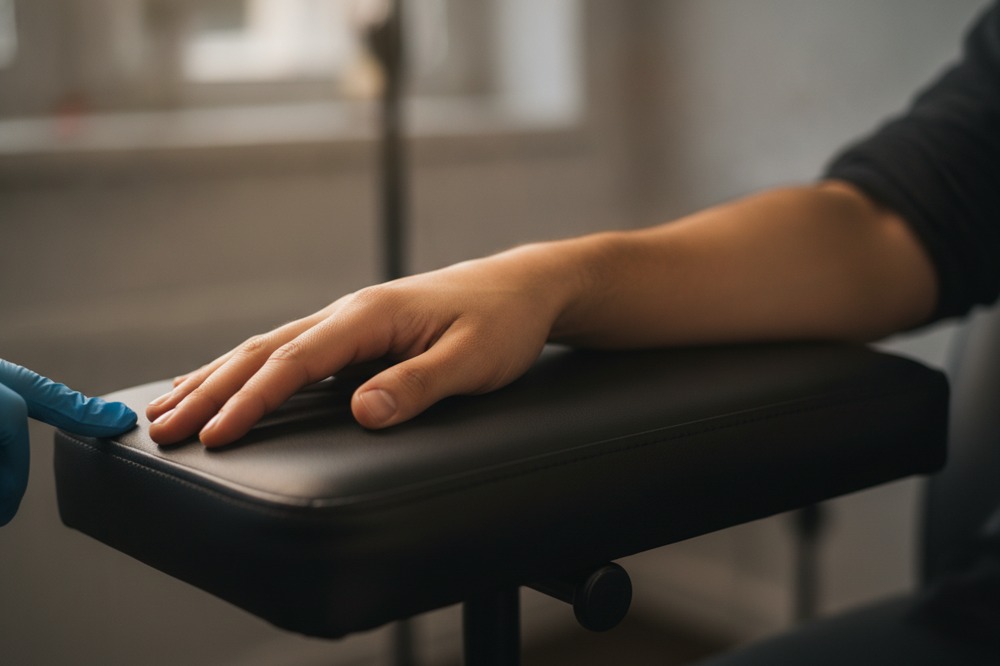
Here’s the honest play-by-play, because the unknown is what feeds the fear. You sit or lie down. I clean and prep the area, which is just a cool wipe. I place a stencil so you can see exactly where it’s going and adjust it before anything permanent happens. Then the machine starts and that buzzing sound is often scarier than the feeling that follows it. The first line goes on. You brace. About twenty or thirty seconds in, your body updates its guess and the bracing drops away.
Breathe slow and low through it. The instinct is to hold your breath and tense up, which ironically makes everything feel sharper. A slow breath out as each line starts is the oldest trick there is and it works. Keep your body loose, keep talking if talking helps, look at your phone if that helps, look away from the needle if watching makes it worse. By the time we’re a few minutes in, most first-timers are chatting normally and a bit annoyed they spent a week dreading it. It’s a fuller version of that same reassurance in managing tattoo anxiety before an appointment, but the in-chair truth is simply: it settles fast and you’re never trapped.
FAQ
I’ve Never Had A Tattoo Before. Is An Ashes Tattoo A Bad First One To Get?
Not at all. Plenty of people’s very first tattoo is a memorial ashes piece and physically it feels no different to any other first tattoo. The only extra thing is the emotion of the day, which we take at your pace with the ashes kept in view the whole time. If nerves are your main worry, keep the first piece a sensible size and pick a forgiving spot and it’s a very manageable place to start.
What If I Faint Or Feel Sick During My First Tattoo?
The light-headed, queasy feeling is nearly always low blood sugar or held breath rather than anything going wrong, which is why eating a proper meal beforehand and bringing a sugary drink matters so much. If it happens, we stop straight away, you lie flat, have your drink and it passes in a few minutes. I keep an eye out for it and I’ll spot it before you do. It’s common, it’s harmless and it isn’t a reason to be embarrassed.
How Do I Stop Myself Panicking In The Waiting Time Before The Needle Starts?
Arrive with a buffer so you’re not rushing in flustered and use the prep and stencil stage to settle, because seeing the design placed and being able to move it gives your brain something concrete to focus on instead of the dread. Slow breathing out through the mouth calms the nervous system fast. Bringing one person for company helps a lot of people. And remember you can ask me to talk you through each step, or to say nothing at all, whichever quiets your head.
Can I Bring Someone With Me For My First Ashes Tattoo?
Yes. One support person is welcome and a lot of nervous first-timers bring a partner, a friend or a family member to sit with them. Because the studio is private and appointment-only, there’s no busy floor to navigate and no audience, so having someone familiar in the room often takes the edge off far more than people expect.
Should I Take A Painkiller Before My First Tattoo?
Don’t take aspirin or ibuprofen beforehand, as they thin the blood and can make the session bleed more and heal slower. Skip alcohol for the same reason. A good night’s sleep, a proper meal and steady blood sugar do more for your comfort than any tablet would and the sensation is far more manageable than most first-timers fear once those basics are covered.
I’m Paul Cutler, founder of Bubblegum Ink (R). Read more about me and the studio.
If you’re nervous and just want to ask one thing before you decide, do. There’s no pressure and no booking required to send a question. Message or call whenever you’re ready and I’ll talk you through whatever’s on your mind at your own pace.