
The Ultimate Guide to Ashes Tattoo Safety
Key Takeaways
- An ashes tattoo is safe when the ashes are matched to the right particle size, cleaned, sterilised to clinical standards and cleared of contaminants before a small amount is blended into a dedicated tattoo ink.
- Raw ashes should never go into skin, because cremated remains come back from the crematorium coarse, unsterilised and wildly uneven in particle size.
- Any studio offering to tip raw ashes straight into the ink pot is putting unclean, unmatched material into what is effectively an open wound.
- Once prepared ashes are blended into the ink, they carry no more infection risk than ordinary pigment, and the tattoo heals on the normal path.
- Cremated remains are not a common allergen, so where someone reacts to an ashes tattoo it is almost always the pigment or the trauma of the tattoo rather than the ashes.
- No reputable studio asks clients to post ashes in advance. The whole container is brought on the day, around a teaspoon is used, and the rest goes home with the client.
- Before booking, ask a studio how they prepare the ashes, whether the ashes stay in view, and how long they have specifically done ashes work rather than tattooing generally.
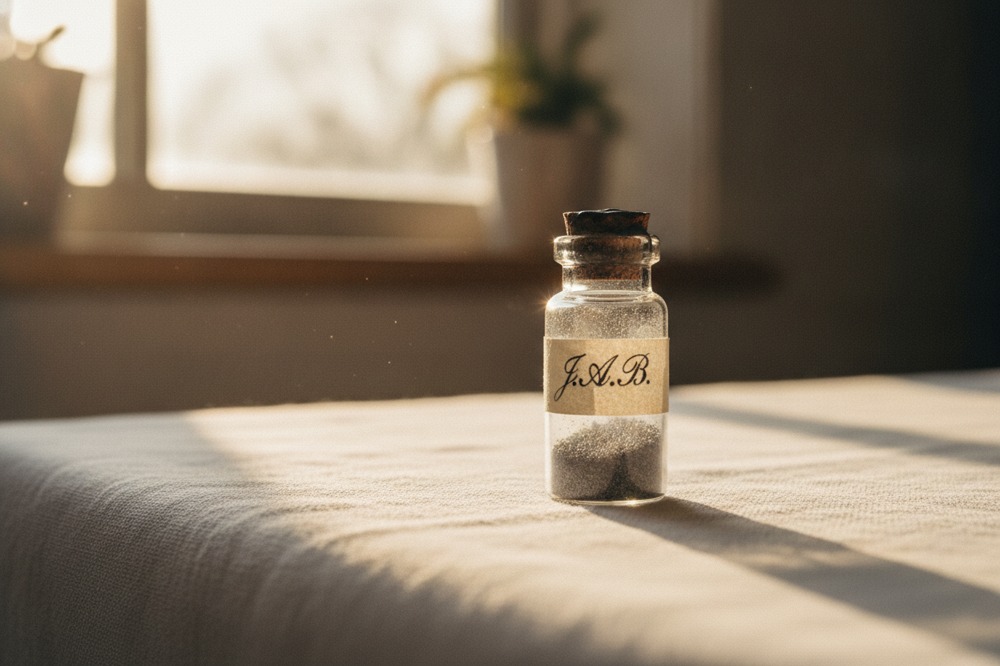
An ashes tattoo is safe when the ashes are prepared properly first by experts. That means matched to the right particle size, cleaned, sterilised to clinical standards and cleared of contaminants before a small amount is blended into a dedicated, particle-matched tattoo ink. Raw ashes straight from the urn should never go into skin. Done the careful way, the finished tattoo heals like any other, because once the prepared ashes are in the ink it behaves like ordinary ink in the skin.
That’s the short version. The rest of this guide walks through what “prepared properly” involves, why the preparation is the whole ball game and what makes one studio safe to sit with while another isn’t. If you’re weighing this up for someone you’ve lost, you want to know the person holding the needle has done this many times before and treats the ashes with the care they deserve. Here’s what to look for.
What Makes An Ashes Tattoo Safe In The First Place?
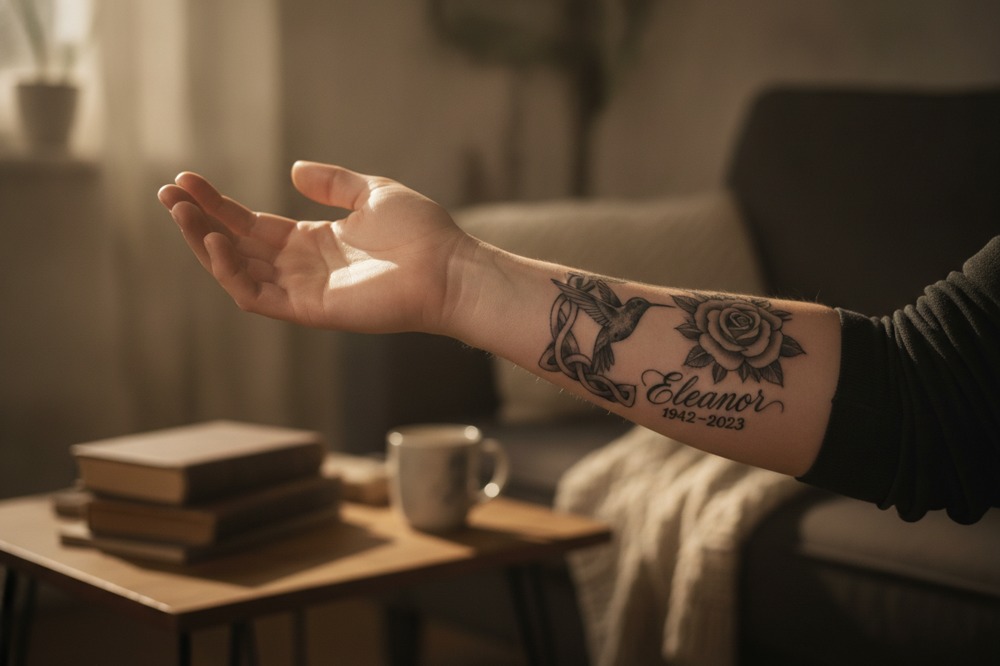
The safety lives in the preparation, not the tattooing. The tattooing part is a normal tattoo. What changes an ashes tattoo from a nice idea into something you can trust in your skin is what happens to the ashes before the needle ever comes near you.
Cremated remains are coarse. Look closely at what comes back from the crematorium and you’ll see grit, small fragments, bits that vary wildly in size. You cannot put that into skin as it is. It needs to be matched to the right particle size so it’s fine enough to sit safely in the ink and pass through a tattoo machine. Then it’s cleaned, sterilised to clinical standards and cleared of contaminants. Only after all of that does a small amount go into a dedicated, particle-matched tattoo ink.
Skip any of those steps and you’ve got a problem. Coarse particles can tear at the skin from the inside. Anything not properly sterilised carries a risk of infection. This is why the honest answer to are ashes tattoos safe is always the same: yes, when the ashes have been prepared the right way by someone who does this properly and no when they haven’t. The two aren’t close.
Why Can’t A Studio Just Mix Raw Ashes Into The Ink?
Some people assume you turn up, hand over the ashes and the artist tips a bit into the pot. It doesn’t work like that and any studio that offers to do it that way is the one to walk out of.
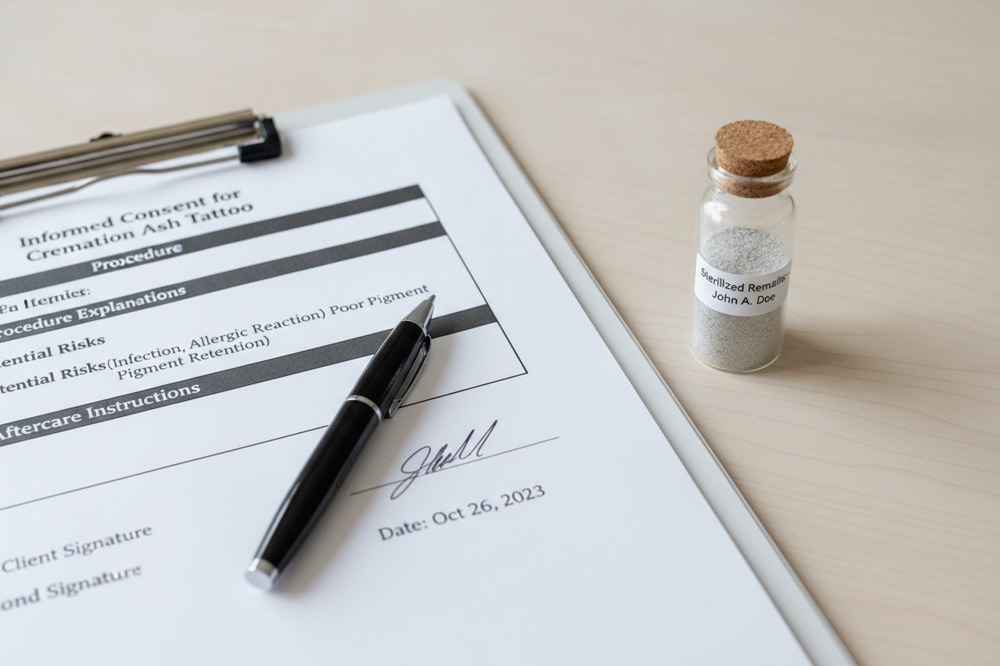
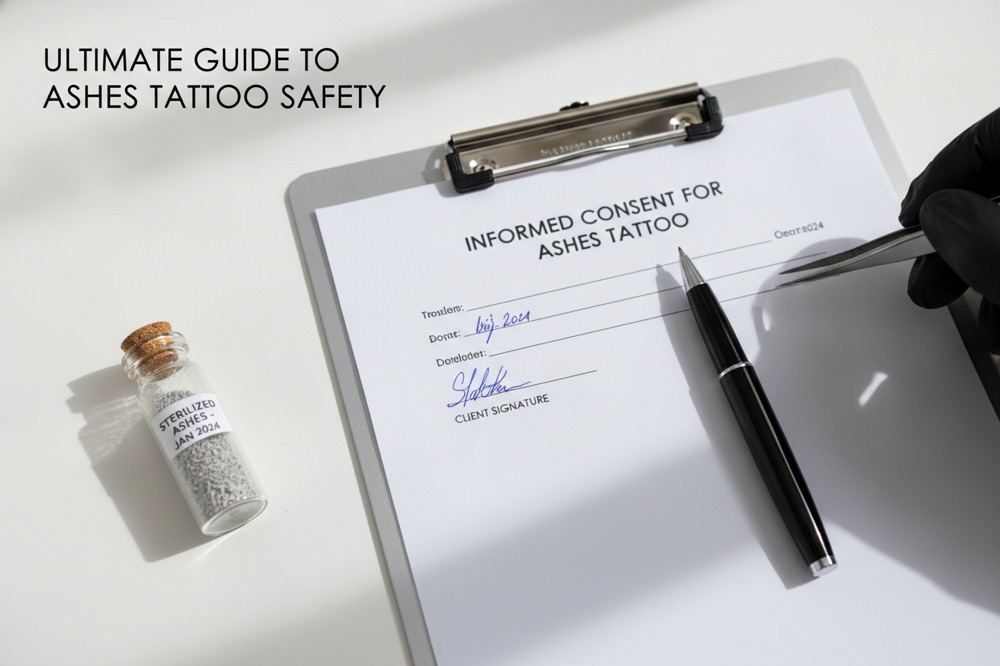
Raw ashes are unsterilised. They’re not a fine, even powder. Tipping them into a tattoo pot means putting unclean, unmatched material into an open wound, because that’s what a fresh tattoo is. The preparation exists precisely so that doesn’t happen. There’s a proper explanation of why you cant mix raw ashes at a studio that’s worth reading if a place has offered to do exactly that, because it tells you a lot about whether they understand the process at all.
A studio set up for this has the means to prepare the ashes to the standard they need. A general tattoo studio, however good it is at tattooing, usually doesn’t. That’s not a knock on them. It’s a different job. Tattooing is one skill. Preparing cremated remains so they’re safe to go in skin is another and it’s the one that matters here.
Can An Ashes Tattoo Get Infected?
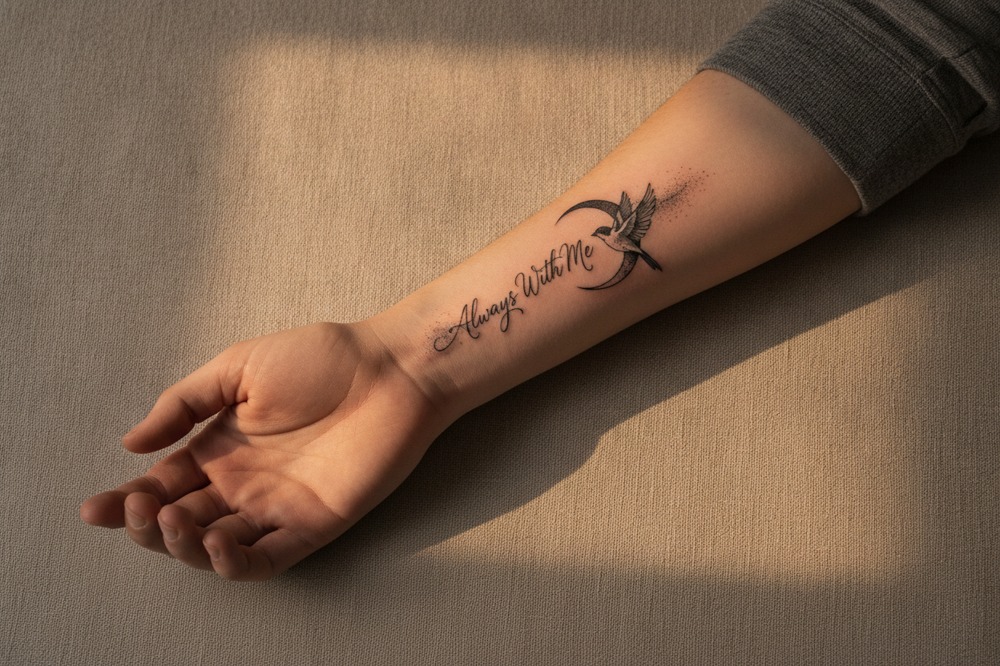
Any tattoo can get infected if it’s done in unclean conditions or looked after badly afterwards. An ashes tattoo is no more prone to it than a standard one, provided the ashes were sterilised first. That last part is the whole point. If the ashes weren’t properly cleaned and sterilised, you’ve introduced a risk a normal tattoo doesn’t have.
Once the prepared ashes are blended into the ink, they carry no extra infection risk over regular pigment. The wound heals the same way. The aftercare is the same. There’s more detail on whether can an ashes tattoo get infected and how to spot the difference between normal healing and a genuine problem, but the headline is this: infection risk comes from an unsterile process or poor aftercare, not from the fact that ashes are in the ink. Get the preparation right and the healing is unremarkable.
Watch for the usual signs in the first week or so. A bit of redness, mild swelling and tenderness around a fresh tattoo is normal. Spreading redness, heat, pus or a fever is not and that’s when you see a doctor. It’s the same watch-list you’d use for any normal tattoo.
Are Ashes Tattoos Safe For Sensitive Skin?
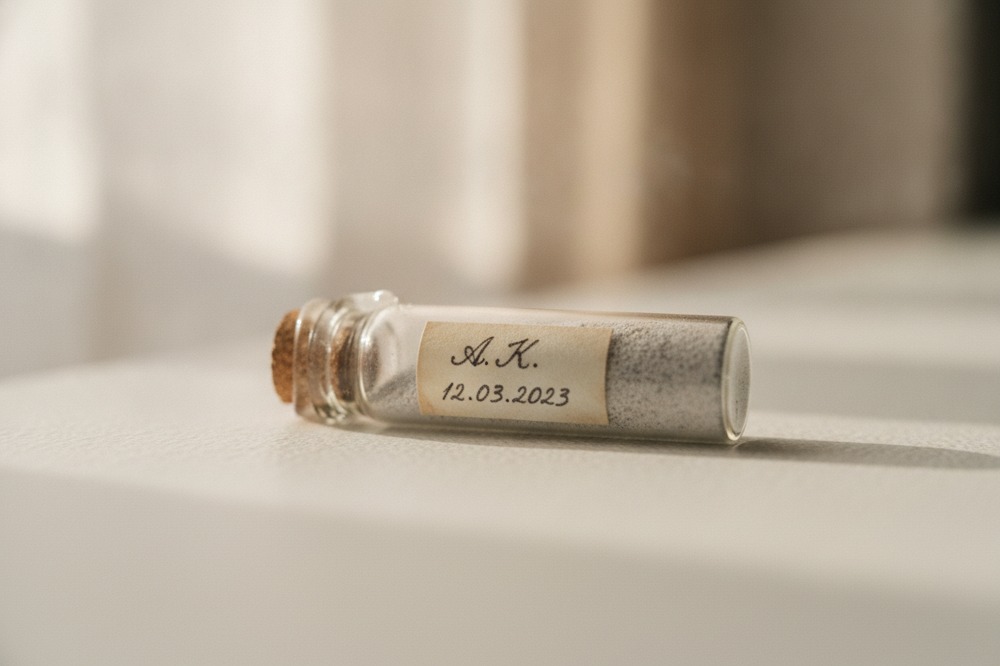
Mostly, yes. Sensitive skin reacts to a tattoo the way it reacts to any tattoo, so if you’ve had ink before without trouble, an ashes tattoo is unlikely to behave differently. The prepared ashes sit in the ink and heal like ordinary pigment.
If you’ve never been tattooed, or you know your skin flares at the smallest thing, it’s worth a conversation before you book. Some people have skin that reacts to certain pigments and a patch test can settle nerves. There’s fuller guidance on whether are ashes tattoos safe for sensitive skin, covering eczema, psoriasis and generally reactive skin and what to raise before your appointment. The short of it: sensitive skin is a reason to ask questions, not a reason to rule it out.
One thing worth knowing. The ashes themselves aren’t a common allergen. When people react to a tattoo, it’s usually the pigment or a reaction to the trauma of the tattoo itself, not the cremated remains. That’s reassuring if your worry was specifically about the ashes.
What Do Reputable Studios Do Differently?
A studio that takes this seriously behaves in ways you can watch and check. They don’t take the ashes into a back room. They don’t rush you. They talk you through what they’re doing before they do it.
The ashes stay in view the whole time. That matters more than people expect. When you’ve carried someone’s remains in a container to an appointment, handing them over and losing sight of them is hard. So a good studio keeps them in front of you throughout. If handling the ashes yourself is too much, the studio does that part gently while you watch, or while you look away if you’d rather. Nothing happens out of sight.
You bring the ashes on the day, the whole container. Only a small amount is needed, roughly a teaspoon and the rest goes home with you. Nobody asks you to post ashes in advance. If a place suggests mailing remains ahead of time, that’s a warning sign on its own. There’s more on what reputable studios do differently from the practical side, but the through-line is transparency. You should be able to see, ask and understand every step.
Privacy is part of it too. This isn’t a tattoo you want done on a busy shop floor with strangers walking past. A private, one to one appointment gives you room to feel whatever comes up and things do come up. The quiet of the room is part of the care.
Which Myths About Ashes Tattoo Safety Should You Ignore?
A few ideas float around that put people off for no good reason. Worth clearing up.
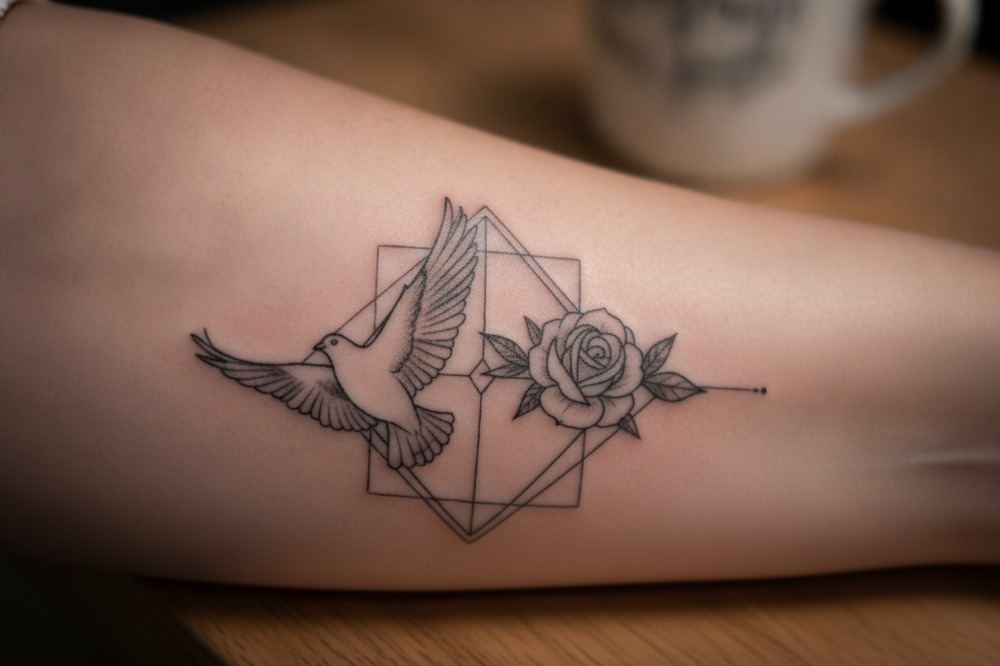
“The ashes will poison you.” No. Cremated remains are inert once prepared and sterilised. There’s nothing toxic sitting in the ink waiting to leach out. “The tattoo will reject the ashes.” A properly prepared and blended ashes tattoo heals like any tattoo and the ashes don’t cause the body to push the ink out. “It’ll hurt far more than a normal tattoo.” It won’t, because in the skin it’s just ink. The sensation is the same as a regular tattoo in the same spot.
The opposite myth is more dangerous: that you can do this at home, or that any friend with a tattoo kit can mix in a bit of ash. That’s how people end up with infections or grit-torn skin. The preparation is not optional. You’ll find more of these picked apart in ashes tattoo myths vs facts and untangling them is half of feeling comfortable enough to go ahead.
What Questions Should You Ask Before You Book?
A short list will tell you fast whether a studio is safe to trust with this.
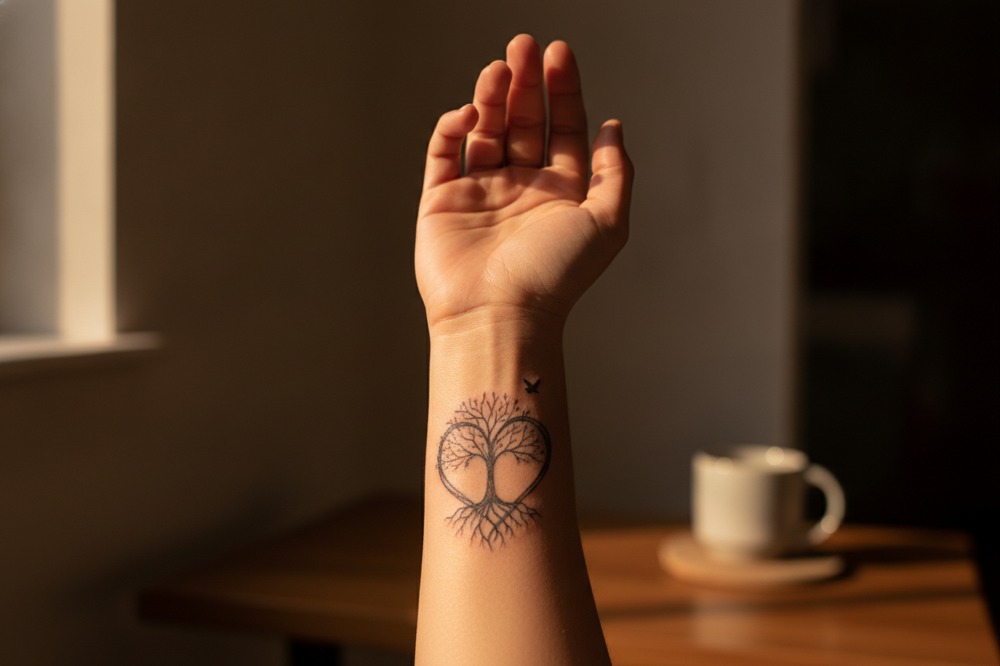
Ask how they prepare the ashes. A confident answer covers particle size, cleaning and sterilising to clinical standards. Vague answers, or “we just mix a bit in,” mean keep looking. Ask whether the ashes stay in view. Ask how much they need and what happens to the rest. Ask how long they’ve been doing specifically ashes work, not just tattooing in general, because the two are different lengths of experience for most artists.
Ask about aftercare and what healthy healing looks like. A studio that does this often will have clear answers because they’ve healed hundreds of these. If you’re comparing places, it’s also fair to ask what an ashes tattoo costs and why, because a suspiciously cheap ashes tattoo can mean corners cut on preparation, which is the one place you never want corners cut.
How Does The Preparation Work On The Day?
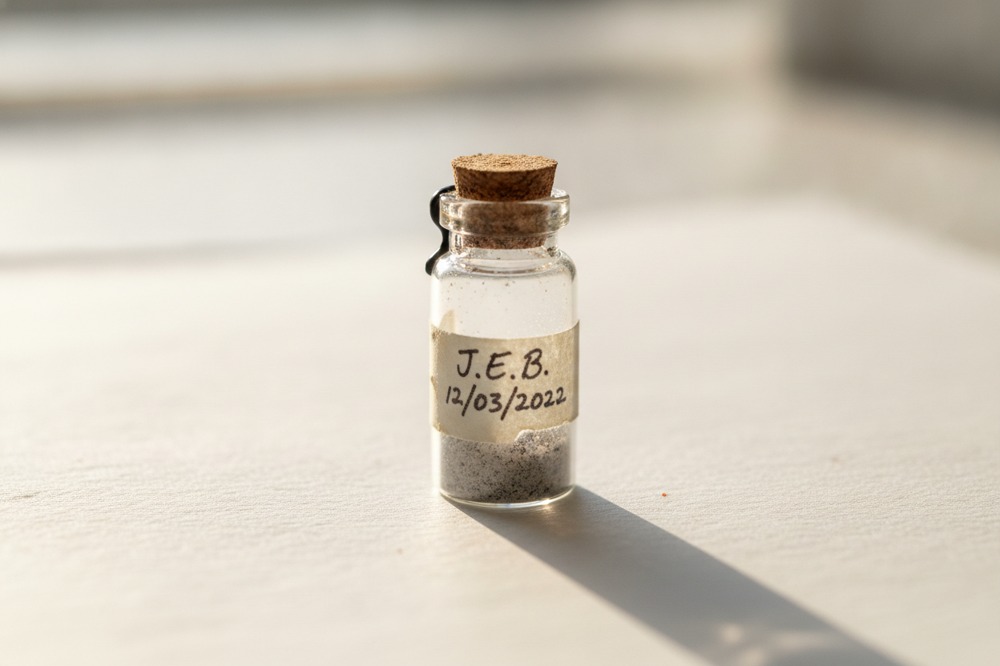
Here’s roughly how a safe appointment runs, so you know what to expect. You arrive with the whole container of ashes. You talk through the design and where it’s going. When it’s time, the small amount needed is taken and prepared, all of it in your view and blended into the dedicated specialist ink. Then the tattoo is done exactly as any tattoo would be.
Afterwards, the remaining ashes go home with you. You leave with the tattoo and with most of the ashes still in your care. The healing follows the normal path for a tattoo in that part of the body and you follow standard aftercare.
Because this is emotional as much as practical, a good studio builds in room for that. Some people are fine. Some cry. Some need a minute before they start. There’s no wrong way to feel in that room and an artist who does this regularly expects it and gives you the space. If you want the wider picture of how ashes tattoos work start to finish, the complete ashes tattoo guide covers design, placement and the rest alongside the safety side laid out here.
Who Prepares The Ashes At Bubblegum Ink?
At Bubblegum Ink ®, ashes tattoos are the specialism, not a sideline. Paul Cutler has specialised in cremation ashes tattoos for 20 plus years, within a tattooing career of over 30. That distinction matters when you’re trusting someone with a loved one’s remains. Plenty of tattooists are excellent at tattooing and have never once prepared ashes. This is different.
Everything happens in a private, appointment-only studio in Sandbach, Cheshire. The ashes stay in view throughout. The preparation follows the careful route this guide describes: matched to particle size, cleaned, sterilised to clinical standards and cleared of contaminants before a small amount goes into the ink. Clients travel from across the UK and from Canada, the USA and Europe for exactly this reason, that the safety and the care are taken seriously.
If you’ve read this far, you’re doing the sensible thing, checking before you sit down. That instinct is the right one. The studios worth trusting are the ones that welcome the questions.
Ready To Talk It Through?
The easiest first step is a question, not a booking. Ring 01270 385001 or email info@bubblegumink.com and ask whatever’s on your mind about the safety side, the preparation, sensitive skin, aftercare, any of it. There’s no pressure to book from a first conversation.
When you’re ready to go further, the appointment is private and unhurried and you bring the ashes on the day. Everything gets explained before it happens. For a lot of people, simply talking to someone who’s done this many times before is enough to settle the nerves and know the tattoo they’re planning is safe to have.
FAQ
Is An Ashes Tattoo Safe If I Have Sensitive Skin?
Usually, yes. Sensitive skin reacts to an ashes tattoo the way it would to any tattoo, so if you’ve been tattooed before without problems you’re unlikely to have trouble. If your skin flares easily or you’ve never had ink, mention it before you book and ask about a patch test. The prepared ashes aren’t a common allergen, so any reaction tends to be to the pigment rather than the ashes themselves.
How Do I Know The Ashes Have Been Sterilised Properly?
Ask the studio directly how they prepare the ashes. A safe answer covers matching the particle size, cleaning and sterilising to clinical standards before blending a small amount into the ink. If they say they simply mix a bit of raw ash into the pot, or can’t explain their process clearly, that’s your sign to go elsewhere. A studio that does this regularly will talk you through every step without hesitation.
Can I Watch The Ashes Being Prepared?
Yes and at a reputable studio the ashes stay in view the whole time. Nothing is taken into a back room. You bring the whole container on the day, only a small amount is needed and the rest goes home with you. If handling the ashes yourself feels like too much, the studio does that part gently while you watch or look away.
Does An Ashes Tattoo Carry More Infection Risk Than A Normal Tattoo?
No, as long as the ashes were sterilised first. Once the prepared ashes are blended into the ink they carry no extra infection risk over ordinary pigment and the tattoo heals the same way. The risk only rises if unsterilised ashes are used or the tattoo is looked after badly afterwards, which is true of any tattoo.
Is It Safe To Add Ashes To A Tattoo At Home?
No. Home preparation can’t clean and sterilise the ashes to a safe standard or match them to the right particle size, which risks infection or damage to the skin from coarse fragments. This is the part that makes an ashes tattoo safe and it needs an expert studio set up to do it properly. Never let a friend with a tattoo kit mix raw ashes into ink.
Written by Paul Cutler, founder of Bubblegum Ink ®. Read more about Paul.