
Are Ashes Tattoos Really Safe For Your Sensitive Skin?
Key Takeaways
- Sensitive skin rarely reacts to the ashes themselves. Once prepared, the ash is inert carbon and mineral sitting in the dermis like any other particle.
- Tattoo reactions are almost always tied to pigment rather than ashes, with red inks historically the most common culprit, and black among the least reactive colours there is.
- Bubblegum Ink will not tattoo over an active eczema flare or an angry psoriasis plaque, because inflamed skin heals badly and the flare can worsen.
- Anyone with psoriasis should know about the Koebner phenomenon, where trauma to the skin can trigger a new plaque along the line of injury, which makes placement on habitually clear skin the sensible choice.
- Any patch test at Bubblegum Ink is done with plain bespoke ink and never with a client’s ashes, since those are precious and finite and should not be spent on a trial.
- Placement stacks the odds: skin kept covered and away from constant friction and sun heals more predictably, with the inner forearm, upper arm and calf behaving well for most people.
- Clients bring the whole container and around a teaspoon is measured out at the studio, or they bring that small amount already separated, with everything else going home with them.
- Normal healing means redness and tenderness that improves. Spreading heat, weeping or a rash that keeps growing is the thing to act on.
- Paul Cutler has tattooed for over 30 years and specialised in cremation ashes tattoos for over 20, working on sensitive, scarred, older and flare-prone skin throughout.
Here we go, Are ashes tattoos safe for sensitive skin ? Here’s the part most people don’t expect: the ashes themselves are rarely what sensitive skin reacts to. Once they’re matched to the right particle size, cleaned, sterilised to clinical standards and cleared of contaminants, then blended into a bespoke, particle-matched, high-quality tattoo ink, that prepared ash sits in the skin the same way pigment does. If your skin is going to grumble, it’s usually reacting to the tattooing itself or to a specific colour, not to the fact that a small amount of a loved one is in the ink. So the honest answer is yes, ashes tattoos are safe for sensitive skin in the vast majority of cases and the sensitivity you’re worried about is a normal tattoo consideration rather than an ashes one.
That said, sensitive skin is a real thing and it deserves a real answer, not a brush-off. Eczema, psoriasis, keloid scarring, contact allergies, rosacea, skin that flares at the drop of a hat. Each of those changes the conversation slightly. Below I’ll go through what genuinely matters for reactive skin, where the actual risk sits and how I handle it so you can make the call with your eyes open.
What Reacts On Sensitive Skin, The Ashes Or The Ink?
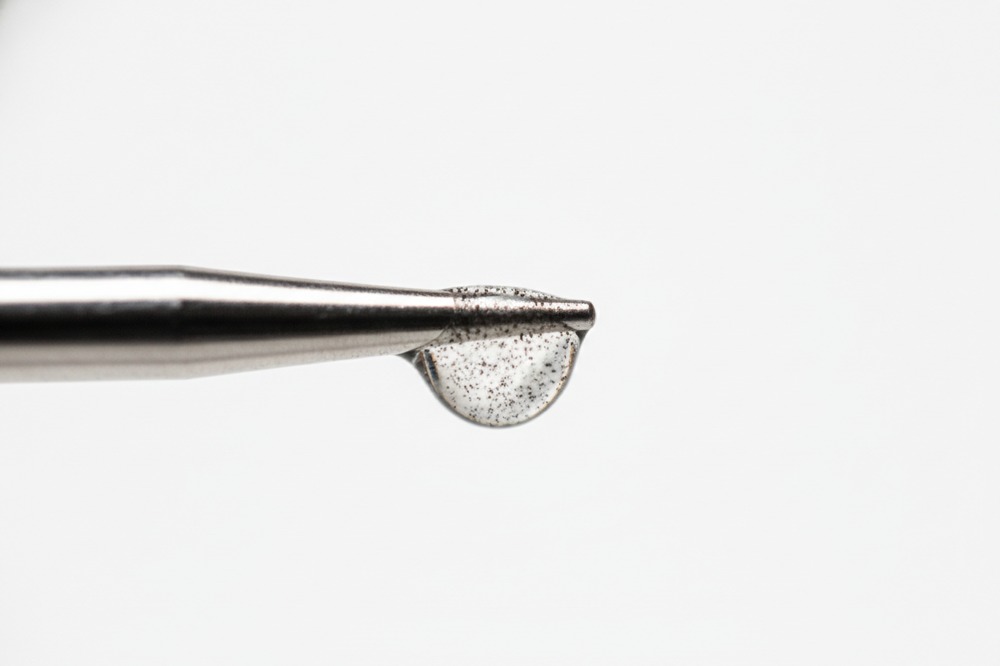
It’s worth separating the two, because people lump them together and worry about the wrong thing. Prepared ashes are inert once they’ve gone through preparation. They’re carbon and mineral, cleaned and sterilised, sitting in the dermis like any other particle. The reactions tattoo artists do occasionally see are almost always tied to pigment and historically red inks have been the usual culprit, with some yellows and a few others behind them. Black, which is what a lot of memorial pieces lean on, is one of the least reactive colours there is.
So if your skin has thrown a wobbly at a tattoo before, the question I’ll ask is which colour and where. That tells me far more than the presence of ashes ever would. You can read more on the difference between real risk and rumour on my page covering ashes tattoo myths vs facts, because a lot of the fear around ashes and reactions is folklore rather than fact. The genuine risk factors for sensitive skin are the same ones that apply to any tattoo: how your skin heals, if you’re prone to raised scarring and if you have a known allergy to a specific pigment.
Can You Get An Ashes Tattoo If You Have Eczema Or Psoriasis?
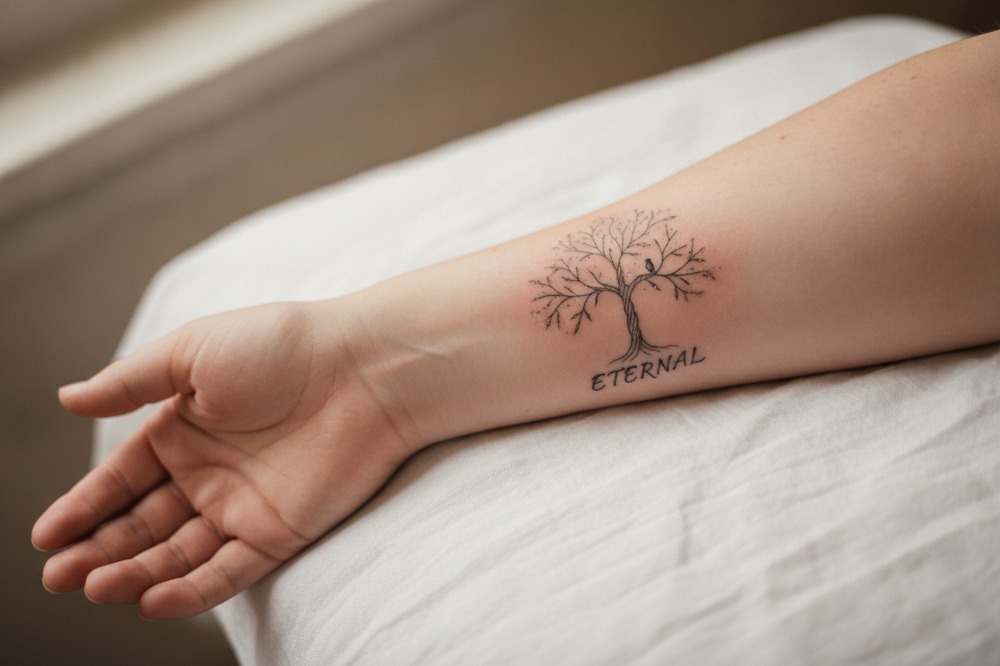
Yes and plenty of people with both do. The thing that matters is timing and placement. I won’t tattoo over an active flare. If you’ve got a patch of eczema or a psoriasis plaque that’s angry, red and broken, that area needs to be calm first, because tattooing inflamed skin invites trouble and can make the flare worse. Skin that’s settled heals cleanly.
There’s also the Koebner phenomenon to be aware of if you have psoriasis, where trauma to the skin can trigger a new plaque along the injured line. It doesn’t happen to everyone and it doesn’t mean you can’t have a tattoo, but it’s a sensible reason to place a memorial piece on an area that tends to stay clear rather than one that flares constantly. If your eczema or psoriasis is widespread or you’re on medication for it, a quick word with your GP or dermatologist before booking is never a bad shout. I’d rather you came in with the go-ahead and settled skin than pushed through a flare.
Does A Patch Test Help Before An Ashes Tattoo On Reactive Skin?
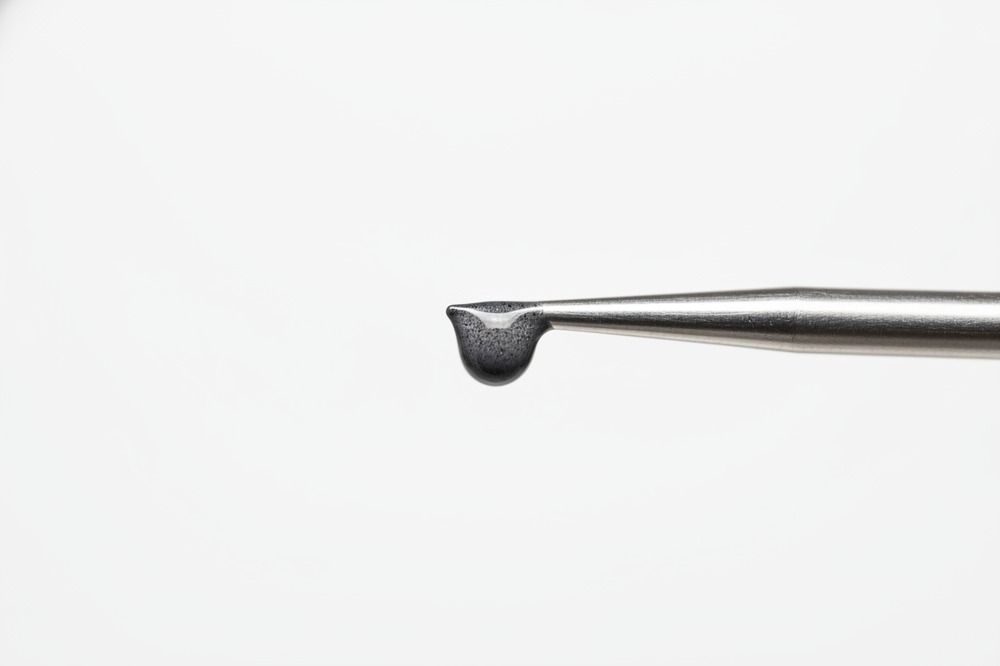
A small test spot can be reassuring if you’ve reacted to a tattoo before or you know your skin is unpredictable. It won’t catch every possible reaction and it isn’t a cast-iron guarantee, but for someone genuinely nervous about a specific colour it can take the edge off the worry. Because your loved one’s ashes are precious and finite, I’d never waste them on a test patch. If we do a test, it’s with the plain bespoke ink, no ashes, purely to see how your skin behaves.
This is also where good practice matters more than anything. A reputable studio takes a proper history, keeps everything sterile and doesn’t cut corners on skin that needs care. If you want to understand the standards to look for, I’ve written about what reputable studios do differently around safety and preparation. Sensitive skin is exactly the situation where those standards earn their keep.
Where Should You Place An Ashes Tattoo If Your Skin Flares Easily?
Placement can quietly stack the odds in your favour. If you know certain areas flare, we avoid them. Skin that’s regularly exposed to friction, sweat or the sun tends to be more temperamental, so a spot that’s usually covered and left alone often heals more predictably. The inner forearm, the upper arm and the calf are areas a lot of people find behave themselves, though yours might differ.
Sun matters more than people think for reactive skin. A tattoo sitting on skin that catches a lot of sun can fade faster and, on sensitive skin, sometimes gets irritated more easily over the years. For a memorial piece you want to keep looking right for a long time, somewhere that isn’t blasted by UV every summer is a kinder home for it. Tell me where your skin tends to play up and we’ll design around it rather than fighting it.
How Do I Prepare Ashes And Work To Keep Sensitive Skin Calm?
The preparation is where a lot of the reassurance comes from. The ashes are matched to the right particle size, cleaned, sterilised to clinical standards and cleared of contaminants before anything goes near your skin, then blended into a bespoke, particle-matched, high-quality tattoo ink of my own preparation. That last part matters for sensitive skin, because a well-made ink laid down cleanly gives your skin the best possible chance to heal without complaint. Once it’s tattooed, it behaves like ordinary ink in the skin, same sensation, same healing.
Having specialised in ashes tattoos for around 20 years, inside a tattooing career of around 30, means I’ve worked on a lot of different skin. Sensitive, scarred, older, younger, skin that flares and skin that doesn’t. That experience is the practical difference for you: I can read how your skin is taking the work as we go and adjust, rather than ploughing on regardless. If you want the technical side of how the ashes and ink come together, my page on adding ashes into tattoo ink covers it. For the fuller picture on safety, the ashes tattoo safety guide pulls it all together.
Control is yours the whole way through. The ashes stay in view for the entire appointment, nothing is taken off to a back room and you decide how much you want to watch or be part of. Some people want to see every step. Others would rather look away while it’s done and that’s completely fine. You set the level you’re comfortable with and I work to it.
What Should You Bring, And What If Your Skin Reacts Afterwards?
Most people bring the whole container along and let me measure out what’s needed, which is the easiest option if you’d rather not handle the ashes yourself. I take out a small amount, roughly a teaspoon’s worth and the rest goes home with you. If you’d prefer, you can measure out that small amount at home and just bring that. Either way you’re never separated from more than a spoonful and it’s done gently in front of you or while you look away, whichever you’d rather.
Aftercare is where sensitive skin needs a little extra thought. Keep it clean, keep it moisturised with something plain and unscented and avoid the things that already irritate your skin. If you normally react to fragranced products, don’t slap them on a fresh tattoo. Some redness and tenderness in the first few days is normal healing, not a reaction. What you’re watching for is anything that gets worse rather than better, spreading heat, weeping or a rash that keeps growing. That’s rare, but if you want to know the real signs versus the normal ones, my page on whether can an ashes tattoo get infected walks through exactly what to look for and when to act.
Still Worried About How Your Skin Will Cope?
If the thing holding you back is that first fear, whether your sensitive skin can handle an ashes tattoo at all, the best next step is just to tell me about it. Message me with what your skin does, any past reactions, any flare-prone areas and I’ll give you a straight answer about how we’d approach it. There’s no pressure to book from that conversation. Getting the reassurance is the point.
You can reach me on 01270 385001 or at info@bubblegumink.com. Bubblegum Ink (R) is a private, appointment-only studio at 7 Heath Avenue, Sandbach, Cheshire and people travel here from across the UK and further afield for this work. Bring your questions about your skin. I’d rather answer ten of them upfront than have you worry alone.
FAQ
Can I Get An Ashes Tattoo If I React To Some Tattoo Inks?
Usually yes. Most ink reactions are tied to a specific colour, historically red most often, so the fix is often as simple as choosing a design that avoids the pigment that troubled you. Black and grey memorial work is among the least reactive. Tell me which tattoo reacted and what colour it was and we can plan around it.
Do Prepared Ashes Make A Tattoo More Likely To Irritate Sensitive Skin?
No. Once the ashes are matched to particle size, cleaned, sterilised and cleared of contaminants, then blended into a bespoke tattoo ink, they sit in the skin like any other pigment and behave like ordinary ink. The sensitivity you might have is a normal tattoo consideration, not something the ashes add.
Should I Wait For An Eczema Or Psoriasis Flare To Settle First?
Yes. I won’t tattoo over an active, broken or inflamed patch, because that invites poor healing and can worsen the flare. Settled, calm skin heals cleanly. If your condition is widespread or medicated, a quick check with your GP or dermatologist before booking is sensible.
Can I Do A Patch Test Before Committing To An Ashes Tattoo?
A small test spot can reassure you if your skin is unpredictable, though it won’t catch every possible reaction. I’d do any test with plain bespoke ink only, never with your loved one’s ashes, because those are precious and finite and shouldn’t be used on a trial patch.
Where Is The Safest Place To Put An Ashes Tattoo On Reactive Skin?
Areas that stay covered and away from constant friction and sun tend to behave best. Many people find the inner forearm, upper arm or calf heal predictably. If you know certain spots flare, tell me and we design around them, keeping the piece off skin that catches a lot of UV.