
Can An Ashes Tattoo Get Infected, Like A Normal Tattoo?
Key Takeaways
- An ashes tattoo carries no more infection risk than an ordinary tattoo, provided the ashes are properly prepared before they go into the ink.
- Infection risk in ashes work comes from three things only: raw untreated ashes, poor studio hygiene, and careless aftercare.
- Cremation puts remains through extreme heat, so they are not full of live bacteria, but they are neither sterile nor fine enough to be tattooed as they are.
- Bubblegum Ink matches ashes to the right particle size, cleans them, sterilises them to clinical standards and clears contaminants before blending them into bespoke ink.
- The reliable way to tell infection from normal healing is direction: healthy healing improves each day, while an infection worsens, with spreading redness, growing heat, pus or fever.
- Anyone whose tattoo is trending worse past day three or four should see a GP or pharmacist rather than wait it out.
- Aftercare is the single biggest factor within the client’s control, which means clean hands, no baths, swimming or saunas until closed over, and no picking.
- Only around a teaspoon of ashes is used, and everything left over goes home with the client, sealed.
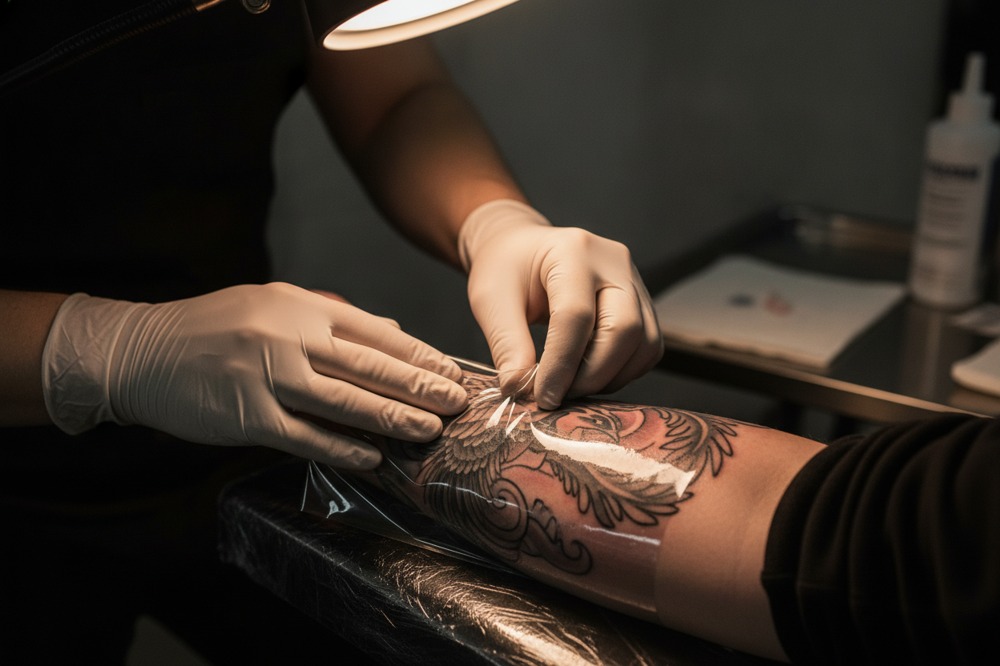
Most people asking this have already booked, or nearly have and they’re lying awake wondering if putting a loved one’s ashes under their skin is asking for trouble. Here’s the honest answer: an ashes tattoo carries no more infection risk than a normal tattoo, as long as the ashes are prepared properly first, which obviously is exactly what I do at Bubblegum Ink.
The risk doesn’t come from the ashes existing in the ink. It comes from raw, untreated ashes going into skin, or from poor hygiene during the tattoo, or from careless aftercare. Sort those three things and the infection odds are the same as any tattoo you’d get done well. What makes ashes safe is the preparation: they’re matched to the right particle size, cleaned, sterilised to clinical standards and cleared of contaminants before they go anywhere near a needle. Untreated ashes are the problem. Treated ashes aren’t.
I’ve spent over 20 years working almost entirely with cremation ashes. So the infection question is one I’ve answered more times than any other. Let me walk through what genuinely raises the risk and what doesn’t.
Do The Ashes Themselves Make Infection More Likely?
This is the fear underneath the whole question. People picture ashes as a foreign, non sanitary and being buried in a wound. That’s not what’s happening.
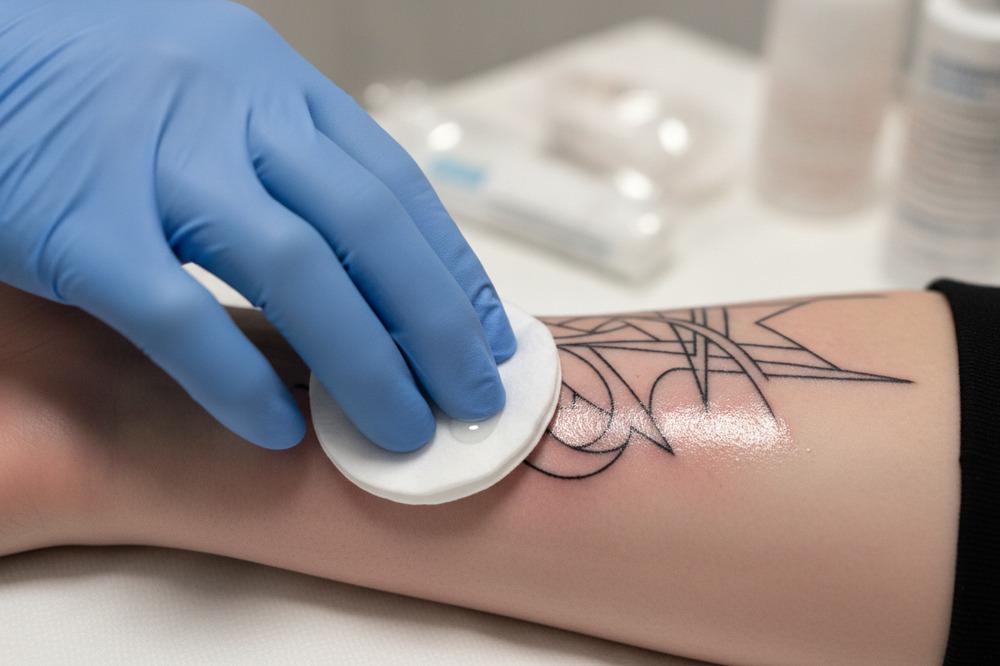
Cremated remains have already been through extreme heat during cremation, so they’re not swarming with live bacteria the way people imagine. But they aren’t sterile either and they aren’t the right texture to go into skin as they are. Grit, uneven particles, stray bits of contaminant. That’s why nobody should ever tip ashes straight into ink and tattoo with them. The preparation is the whole point. Once the ashes are cleaned, sterilised and reduced to a fine, particle-matched consistency, then blended into a bespoke, high-quality tattoo ink made for exactly this, they behave in the skin like any pigment does. There’s more on why you cant mix raw ashes at a studio if you want the detail on what goes wrong when that step gets skipped.
So no. The ashes themselves don’t tilt the odds against you, once they’ve been treated the right way. It’s untreated ashes that turn a tattoo into a risk.
What Causes A Tattoo To Get Infected?
Worth being clear about, because it takes the mystery out of it. Tattoo infections almost always come down to one of a few things and none of them are unique to ashes work.
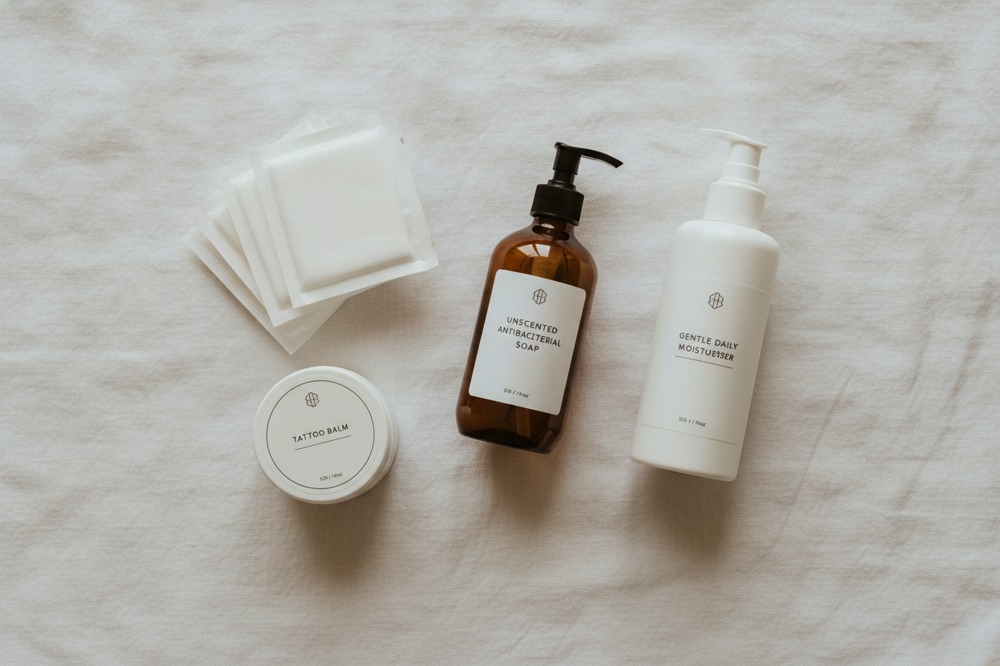
The first is contaminated equipment or a dirty working surface. Reused needles, ink caps topped back up, a bench that isn’t wiped down between clients. The second is the ashes being untreated, which we’ve covered. The third and the most common by a distance, is aftercare. A fresh tattoo is an open wound for the first few days, if you peel the second skin off covering off. If you’re touching it with unwashed hands, letting a pet sleep on it, soaking it in a bath or a swimming pool before it’s closed over, or picking at scabs, (that’s also what the second skin stops, is scabbing), you’re giving bacteria a way in. That’s true of a rose on your arm and it’s true of an ashes piece. The ashes don’t change the healing.
One thing people forget: the type of skin you’re working with matters too. If you’ve got reactive or easily irritated skin, the healing window can be fussier and I’ve written separately about whether are ashes tattoos safe for sensitive skin covers your situation.
How Do I Tell An Infection From Normal Healing?
This catches a lot of people out, because a healing tattoo looks a bit angry at first even when it’s perfectly fine. So knowing the difference stops you panicking over nothing and it stops you ignoring something real.
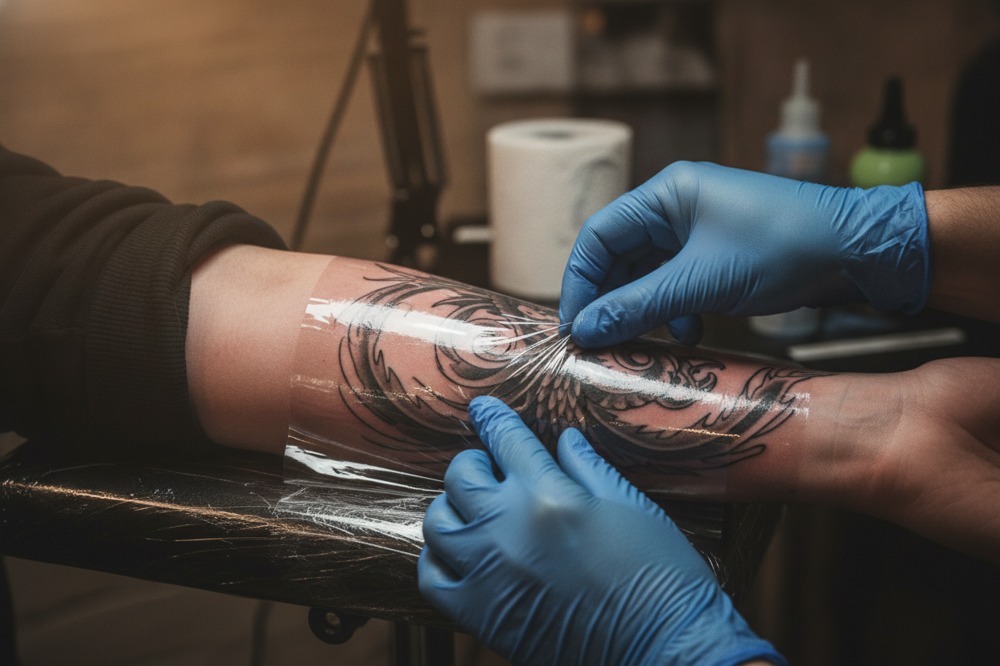
Normal healing: some redness right around the lines for a few days, mild swelling, warmth, a bit of oozing of clear or slightly inky fluid in the first day or two, then once you take the second skin off, possible flaking and itching as it scabs and settles. All of that is expected. It should get better a little each day.
Signs something’s wrong: redness that spreads outward instead of fading, heat that’s getting worse after day three or four, swelling that grows rather than shrinks, thick yellow or green pus, a bad smell, red streaks moving away from the tattoo, or a fever and feeling generally unwell. The key tell is direction. Healthy healing trends better day by day. An infection trends worse. If yours is going the wrong way, especially past the third or fourth day, don’t wait it out. See a GP or pharmacist. A memorial piece is worth protecting.
What Do I Do In The Studio To Keep It Safe?
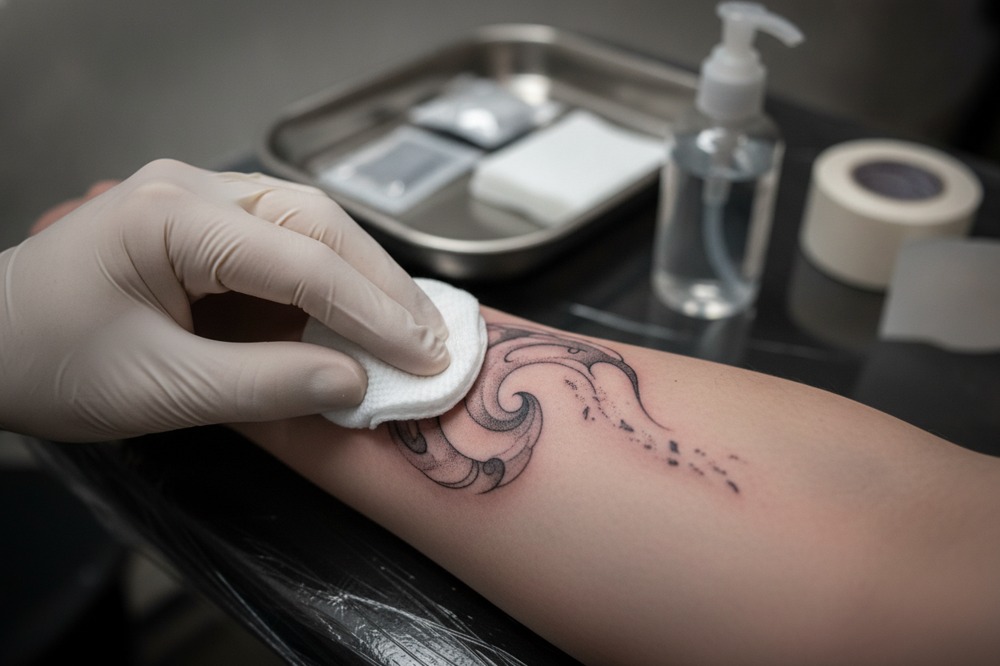
Infection control isn’t a slogan, it’s a set of habits and this is where a specialist earns their keep over a general shop. Single-use needles, sterilised equipment, fresh gloves, everything wiped and prepped before you sit down. That’s the baseline any decent studio should hit. The ashes preparation sits on top of it and with all this I’m Ocd !
Here’s something that matters to people more than they expect. When you bring ashes in, they don’t leave your sight. I keep the container on the counter in front of us, the small tray and the wrapped remains right there where you can watch every step. Nothing gets carried off to a back room. If handling the ashes yourself feels like too much, I’ll do that part gently while you watch, or look away if you’d rather. Nothing happens out of view. That openness is also a safety thing: you can see exactly what’s being cleaned, prepared and blended and you can see it’s your loved one going into the ink and nothing else. If you want the wider picture on studio standards, what reputable studios do differently lays it out and the full the ashes tattoo safety guide pulls the whole topic together.
What Should I Bring, And What Happens To The Rest?
A practical worry sits inside the infection question: people don’t want to hand over all of a parent or a pet and they don’t want the leftovers mishandled. So let me settle that.
Bring the ashes on the day. You’ve got two ways to do it. You can bring the whole container along and I’ll take out what’s needed myself, which suits anyone who’d rather not touch the ashes at all. Or you can measure out a small amount at home, roughly a teaspoon’s worth and just bring that. Either way, the amount used is tiny. Everything left over goes straight back home with you, sealed and yours. That’s the part people don’t always realise. You’re not surrendering the ashes. A teaspoon’s worth is plenty for the ink, the container goes home again and you keep the rest exactly as you had it. Handling it openly and giving back every grain that isn’t used is part of keeping the whole thing clean and honest, start to finish.
Can I Lower My Own Risk After The Appointment?
Yes and honestly this is the part most within your control. Once you walk out of the studio, the infection odds are mostly in your hands.
Follow what i tell you with regards to aftercare and keep the second skin film on it to protect your tattoo. When you take the film off, wash your hands before you touch it, every time. Follow the aftercare I give you rather than something you read online. Keep it clean and lightly moisturised, don’t overload it with product and let it breathe. No baths, no swimming, no saunas until it’s fully closed over, usually a couple of weeks. Don’t pick, don’t scratch, don’t peel the flakes off early. Keep it out of strong sun while it heals. If you work a mucky job or you’re around animals, slather it as advised with Bepanthen and keep it covered when it needs to be. None of this is different because it’s ashes. A memorial tattoo heals like any tattoo, so treat it with the same care you’d give any fresh work and it’ll settle fine. If you’re still weighing up the design itself while you think all this through, the memorial tattoo design ideas are a good place to see what’s possible.
Get In Touch
If the infection worry is the thing holding you back, ask me about it directly. There’s no pressure and no booking required to have a conversation. Ring the studio on 01270 385001 or email info@bubblegumink.com and ask whatever’s on your mind, whether that’s the preparation, your skin, healing, or anything else that’s making you hesitate. I’d rather you asked one honest question now than sat on it worrying.
FAQ
Can An Ashes Tattoo Get Infected More Easily Than A Normal Tattoo?
No. Once the ashes are cleaned, sterilised and matched to the right particle size before they’re blended into the ink, the tattoo heals and behaves like any other. The extra risk only appears if raw, untreated ashes are used, so proper preparation is what keeps the odds the same as any well-done tattoo.
Do The Ashes Carry Bacteria That Could Infect Me?
Cremation puts remains through extreme heat, so they aren’t teeming with live bacteria the way people fear, but they aren’t sterile or fine enough to use as they are. That’s why they’re sterilised to clinical standards and cleared of contaminants before use. Untreated ashes are the risk, not treated ones.
How Soon Would An Ashes Tattoo Infection Show Up?
Most infections become obvious in the first few days to a week, once you’re past the normal early redness and swelling. The tell is direction: healthy healing improves a little each day, while an infection gets worse, with spreading redness, growing heat, pus or feeling unwell. If it’s trending worse after day three or four, get it checked.
What Should I Do If I Think My Ashes Tattoo Is Infected?
Don’t wait it out. See a GP or pharmacist promptly, especially if you’ve got spreading redness, thick yellow or green pus, red streaks, a bad smell or a fever. Keep it clean in the meantime and don’t pick at it. A memorial piece is worth protecting, so treating an infection early gives the tattoo the best chance to heal well.
Does Aftercare Really Affect Whether An Ashes Tattoo Gets Infected?
Yes, more than anything else once you leave the studio. Washing your hands before touching it, following the aftercare given, keeping it clean and avoiding baths, swimming and picking are what keep bacteria out. The aftercare is no different because it’s ashes; a memorial tattoo heals exactly like any fresh tattoo.