
The Ultimate Guide to How Ashes Become Tattoo Ink
Key Takeaways
- Ashes become tattoo ink by being matched to a consistent particle size, cleaned, sterilised to clinical standards and cleared of contaminants, then blended into a dedicated bespoke ink on the day of the appointment.
- Cremation ashes are not ash in the bonfire sense but processed bone, which is coarse, uneven and not sterile straight from the container.
- Raw ashes must never go straight into ink, because unsterile material in an open wound risks infection and oversized fragments can cause blowouts, odd scabbing and raised patches.
- Bubblegum Ink blends prepared ashes into a particle-matched bespoke tattoo ink rather than a shop-bought bottle, so the particles do not settle out or clump.
- Around a teaspoon of ashes is taken on the day and everything else goes home with the client, leaving enough for a scatter, jewellery or a second tattoo later.
- The ashes never leave the client’s sight, with the measure prepared in the room rather than in a back area, and handled for the client if they cannot face it themselves.
- A properly prepared ashes tattoo shows no grey speckling or colour change, and heals on the same timeline with the same aftercare as any other tattoo.
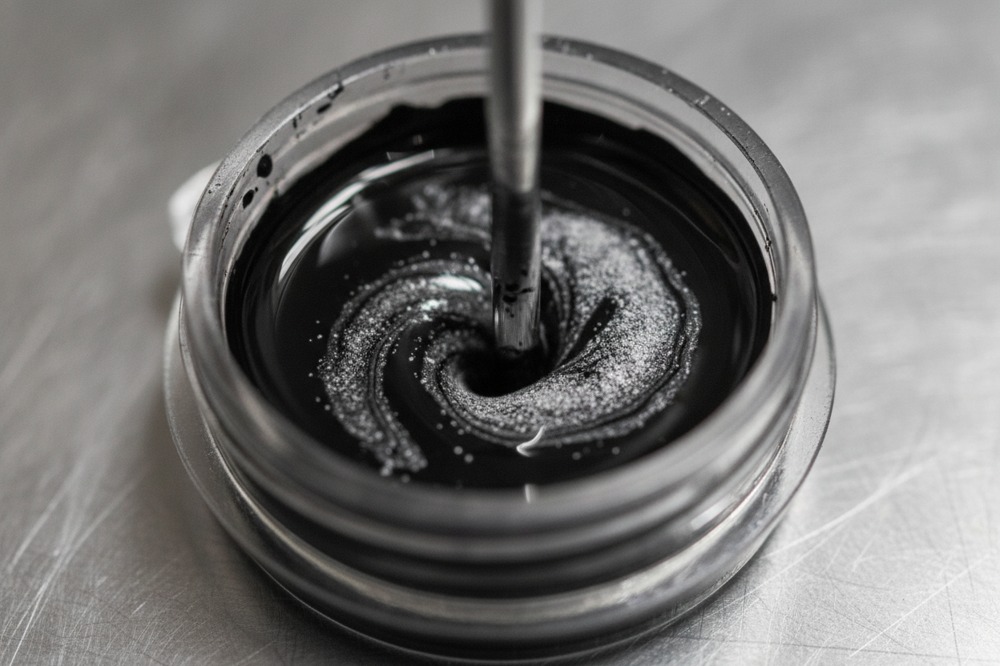
Ashes become tattoo ink by being matched to the right particle size, cleaned, sterilised to clinical standards and cleared of contaminants, then blended in a small amount into a dedicated, particle-matched, high-quality bespoke tattoo ink on the day of the appointment. The raw ashes you bring are never tipped straight into an ink cap. They’re prepared first, so the fragments are fine enough and clean enough to sit safely in skin and only then does a small measure go into the ink that gets tattooed. The rest goes home with you.
People i’m sure want to also know why raw ashes can’t just be stirred in, how much of their loved one ends up in the tattoo, what “sterilised” really means and whether any of this changes how the tattoo looks or heals. Here’s how the whole thing works, start to finish.
What Are Cremation Ashes Made Of, And Why Does That Matter For Ink?
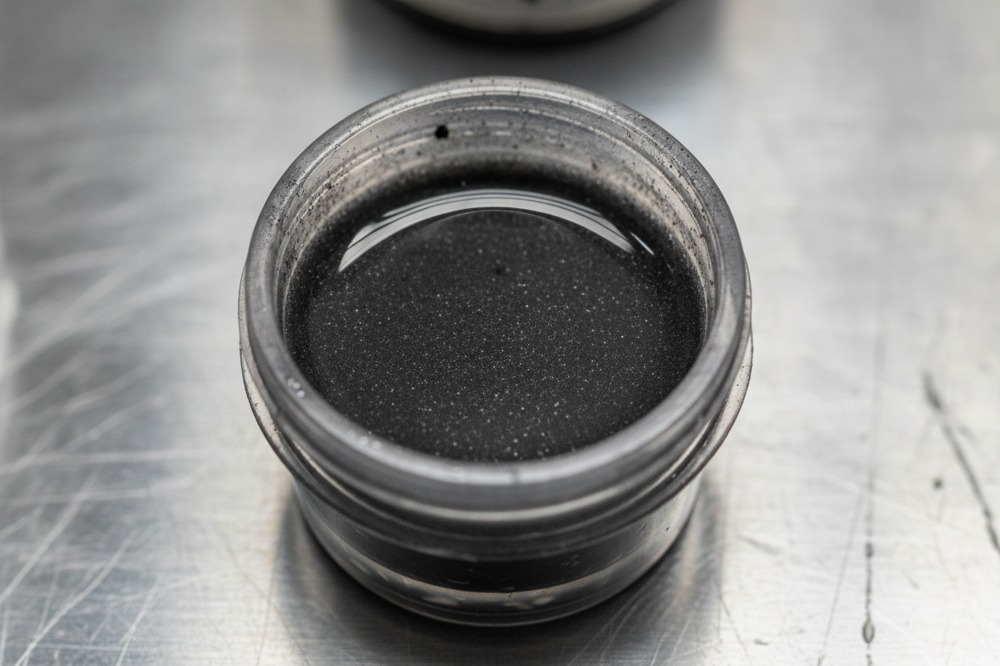
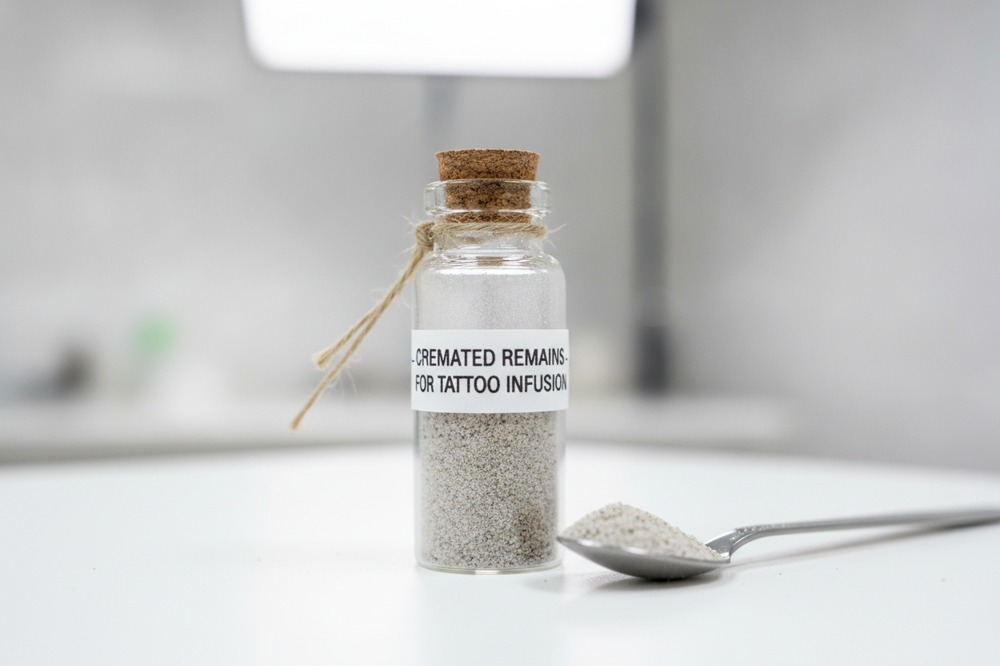
Cremation ashes aren’t ash in the way a bonfire leaves ash. What you’re given back is mostly bone. After cremation, the remaining skeletal fragments are processed into a coarse, sandy powder and that’s what sits in the container on your shelf. The colour ranges from pale grey to almost white, sometimes with darker flecks. With an expansion of the modern practice for pets, a lot of modern pet cremations are carried out with Aquamation, this way you can be sure the ashes you have are your beloved only. This ash is very fine and looks cream in colour with no discolourations.
Bone is the reason the preparation step exists. Straight from the container, the particles are uneven. Some are dust-fine, some are gritty little pieces you could feel between two fingers. A tattoo needle works by depositing pigment into the dermis, the layer of skin just below the surface and anything too large or too sharp doesn’t belong there. It can snag, drag, or simply refuse to settle. So the first job is size. The ashes have to be matched to a particle size fine enough to pass through the process and rest evenly in the skin, the way pigment does.
There’s also the matter of what else can be present. Ashes can carry traces of the cremation process itself and other bits that have no place going into skin. Getting those out is part of preparing them properly, which is where cleaning and sterilising come in.
Why Can’t You Just Mix Raw Ashes Into Tattoo Ink?
This is the question that trips most people up, because it sounds like it should be simple. Scoop, stir, tattoo. It isn’t and there are good reasons.
Raw ashes are not sterile. Even though cremation involves extreme heat, the ashes are handled, stored, transferred between containers and sometimes divided among family members long before they reach a studio. Every one of those steps is a chance for bacteria and other contaminants to get in. Putting something unsterile into an open wound, which is what a fresh tattoo is, is asking for trouble. Infection is the obvious risk and a tattoo that gets infected can be painful, slow to heal and can distort the design permanently.
Then there’s the particle problem again. Unprepared ashes have jagged, oversized fragments that the skin treats as foreign debris. Your body may try to push them out, which can cause the tattoo to scab oddly, blow out, or leave raised patches. The pigment won’t sit cleanly. None of that honours the person you’re memorialising.
This is exactly why studios cannot mix raw ashes into ink and hand you a good result. A studio that offers to do it on the spot with no preparation is cutting a corner that shouldn’t be cut. The whole point of preparing the ashes is to remove those risks before anything touches your skin.
How Are The Ashes Prepared Before They Become Ink?
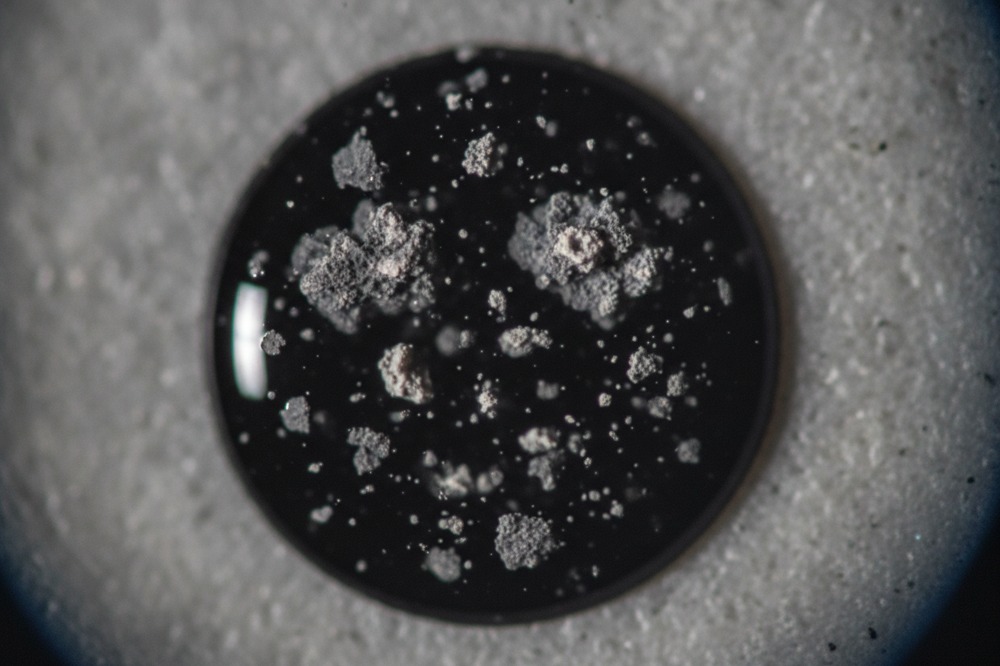
Preparation is the heart of the whole process and it comes down to a sequence: match the particle size, clean, sterilise to clinical standards, clear of contaminants. Said quickly it sounds like four words. In practice it’s careful, deliberate work and it’s the difference between a tattoo that heals like any other and one that causes problems.
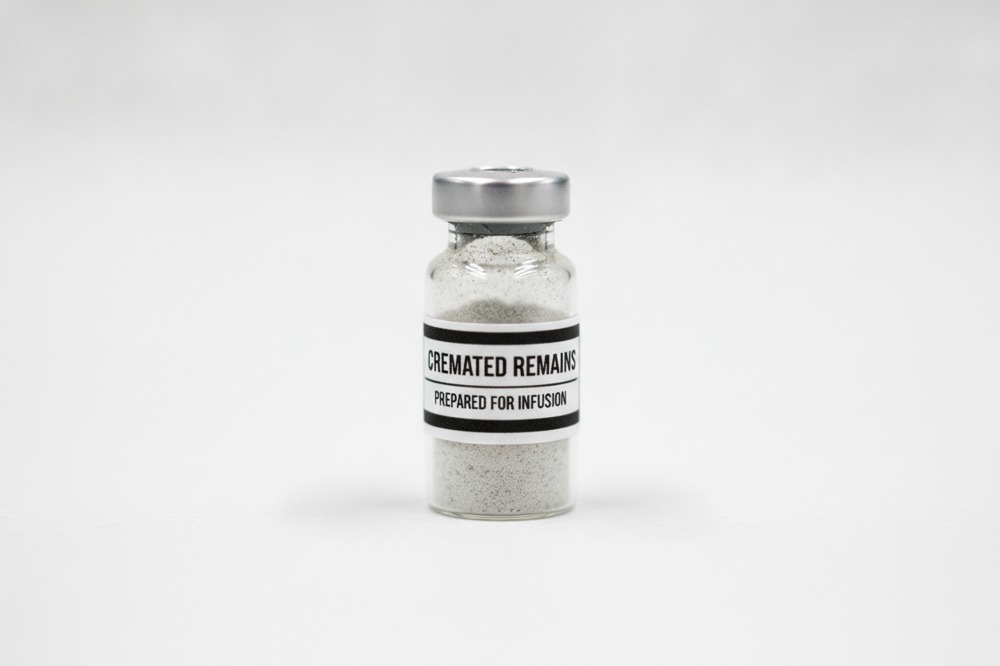
Particle matching brings the ashes down to a consistent, fine grade so they behave like pigment rather than grit. Cleaning lifts away the loose contaminants that came along for the ride. Sterilising to clinical standards deals with the bacteria, so what goes into your skin is safe. And the whole batch is cleared of anything that shouldn’t be there.
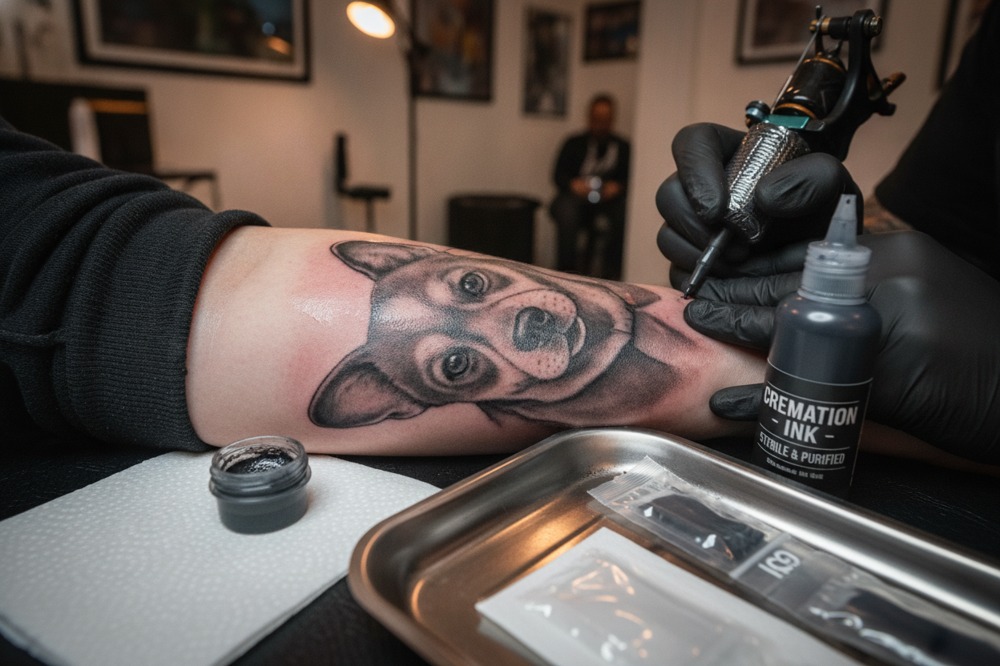
A few things are worth being straight about. Nobody here is claiming a lab, a pharmaceutical team or some molecular trick. This isn’t that. It’s a proper, methodical preparation built up over 20 + years of doing ashes work specifically, within a tattooing career of over 30. The method itself stays in-house, but the principle is plain: what starts as coarse, unsterile bone fragments ends up as a fine, clean, safe material ready to be blended. You can read more about adding ashes into tattoo ink and how that fits into the appointment.
What Ink Are The Prepared Ashes Blended Into?
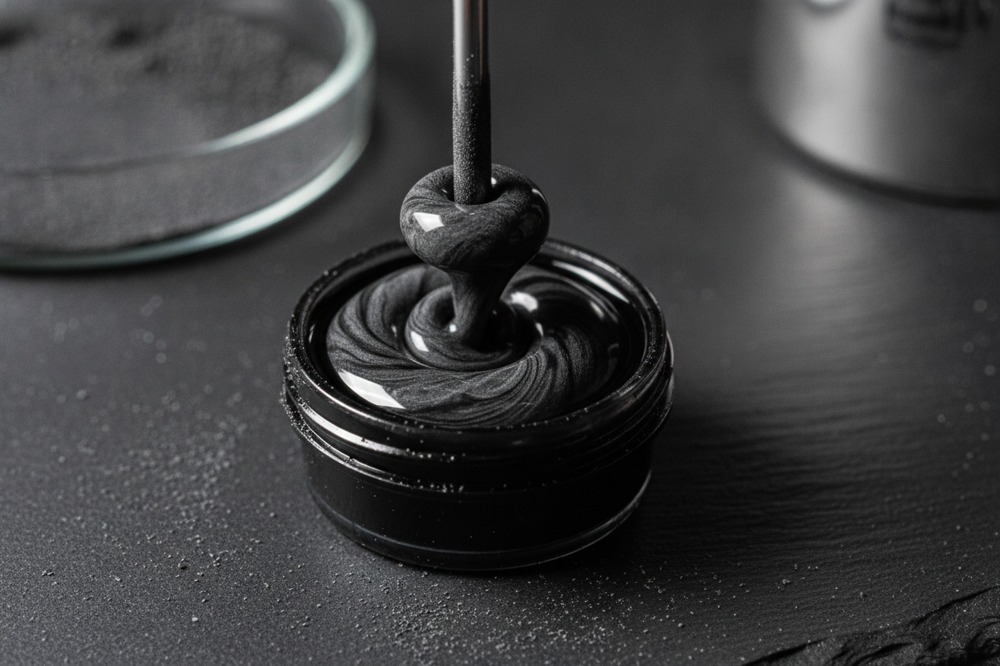
Here’s a point that gets misreported a lot. The prepared ashes are not stirred into a random bottle of shop-bought tattoo ink. They go into a dedicated, particle-matched, high-quality bespoke tattoo ink, prepared for this exact purpose, so the ashes and the ink work together rather than fighting each other.
Why does that matter? A memorial tattoo has to last as long as any other and the ink carrying the ashes has to hold its colour, sit evenly and heal cleanly. If you drop prepared ashes into an ink that wasn’t made to hold them, the particles can settle out, clump, or affect how the pigment reads in the skin. Matching the ink to the ashes keeps everything even.
Once it’s tattooed and healed, though, the result behaves like ordinary ink in the skin. Same sensation going in, same healing afterwards. You don’t get a tattoo that feels different or needs special treatment because ashes are in it. It’s the preparation and the matched ink that make that possible.
How Much Of The Ashes Goes Into The Tattoo?
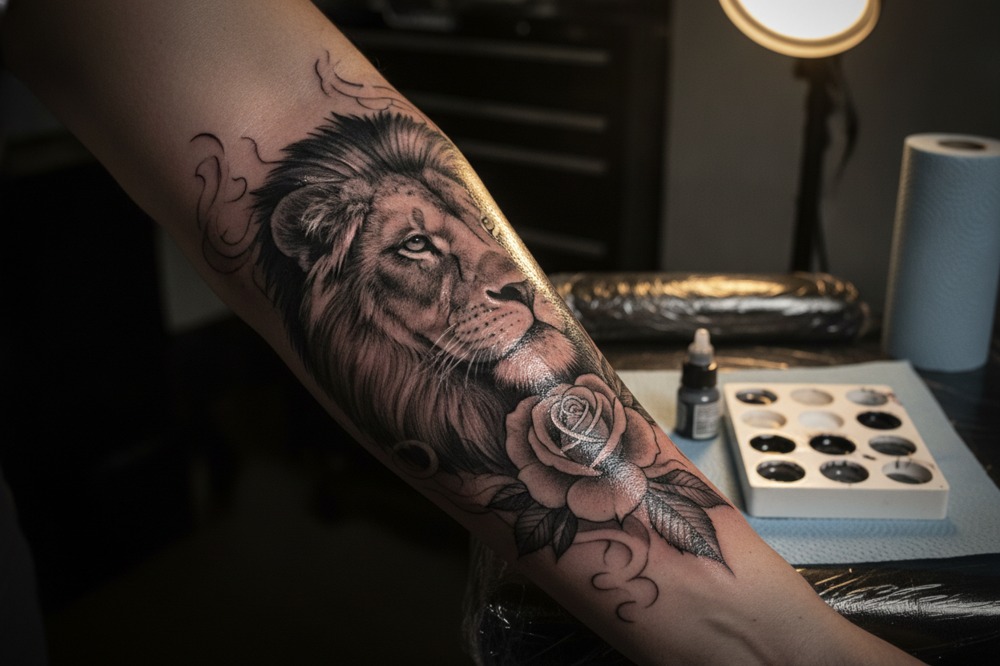
Less than most people expect and that surprises a lot of families in a good way. Roughly a teaspoon is taken from the container on the day. That’s it. A small amount goes a long way once it’s prepared and blended, because you don’t need bulk, you need a properly prepared measure that sits in the ink.
The rest of the ashes stays with you. You bring the whole container to the appointment, if that makes you feel more comfortable, a small amount is taken for the tattoo and the remainder goes home the same day. Nothing is kept, nothing is posted off somewhere, nothing disappears into a back process you can’t see.
That also means a single container can serve more than one purpose. If you want a tattoo now and to keep the rest for a scatter, a piece of jewellery, or simply to hold onto, the amount used here leaves you free to do that. And because so little is needed, there’s usually room to think about a second tattoo later, or for another family member, without worrying you’ll run out.
Are Your Loved One’s Ashes Ever Out Of Your Sight?
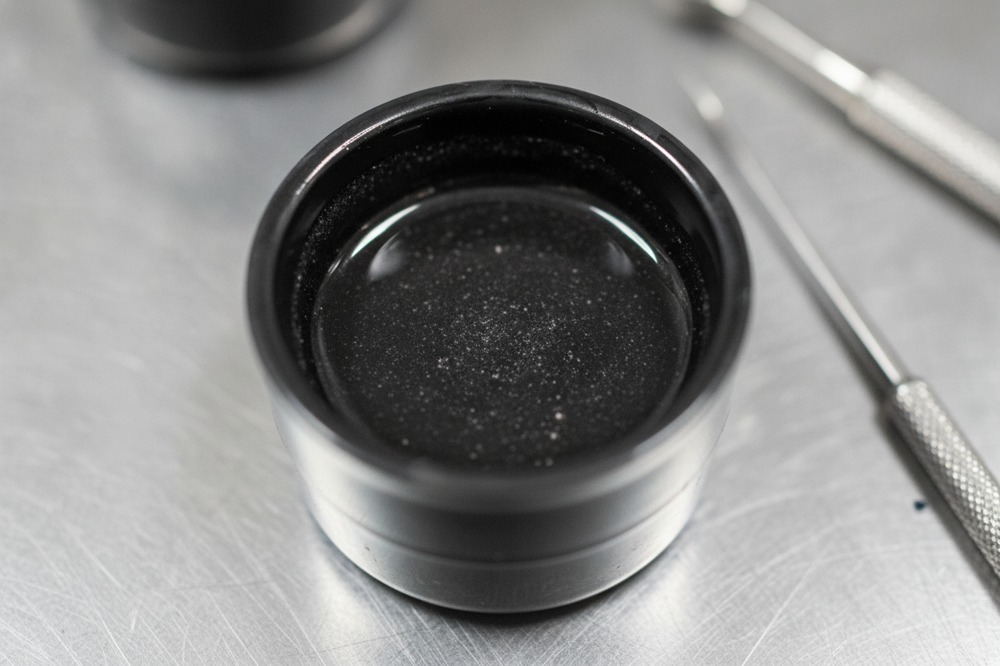
No and this matters more than any technical detail. Your loved one’s ashes stay in view the whole time. Nothing is taken into a back room. The measure that goes into the ink is prepared where you can see it, so you always know that what ends up in your tattoo came from the person you brought with you.
If handling the ashes yourself feels like too much, that’s completely fine. Plenty of people can’t face opening the container and there’s no expectation that you will. It gets done gently for you while you watch, or while you look away if that’s easier. Either way it happens in front of you, not out of sight.
Grief does strange things and trust is fragile when you’re raw. Being able to see every step, keep the container in your own hands and take the rest home the same day is there for exactly that reason. It’s the part of the process people tell us they’re most relieved about afterwards.
What Happens On The Day, Step By Step?
The blending and the tattoo happen in the same appointment, in a private one-to-one studio, not a busy shared floor with other clients coming and going. Here’s roughly how the day runs.
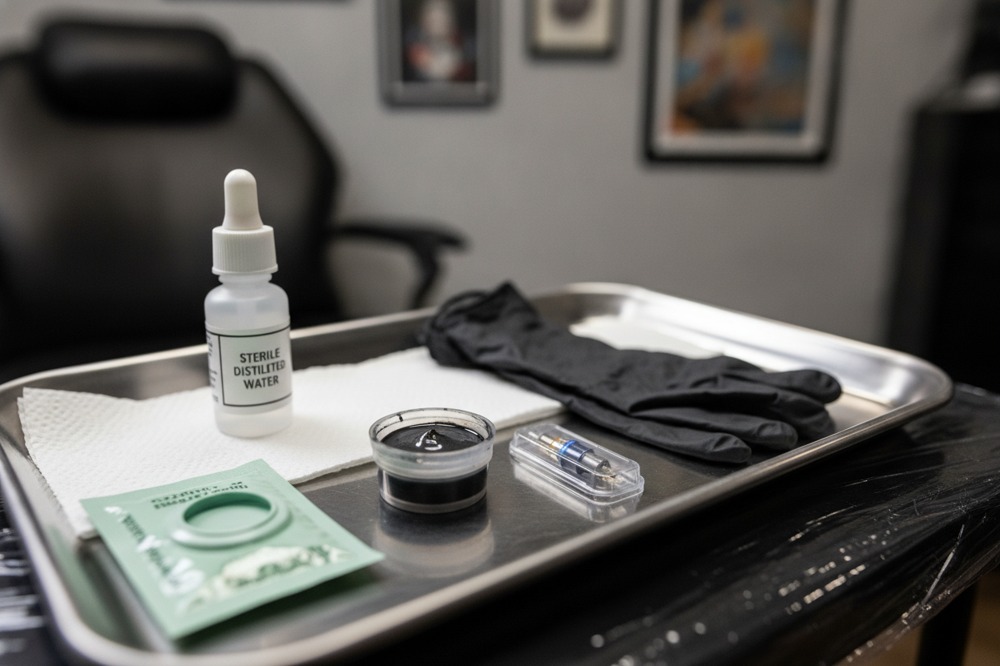
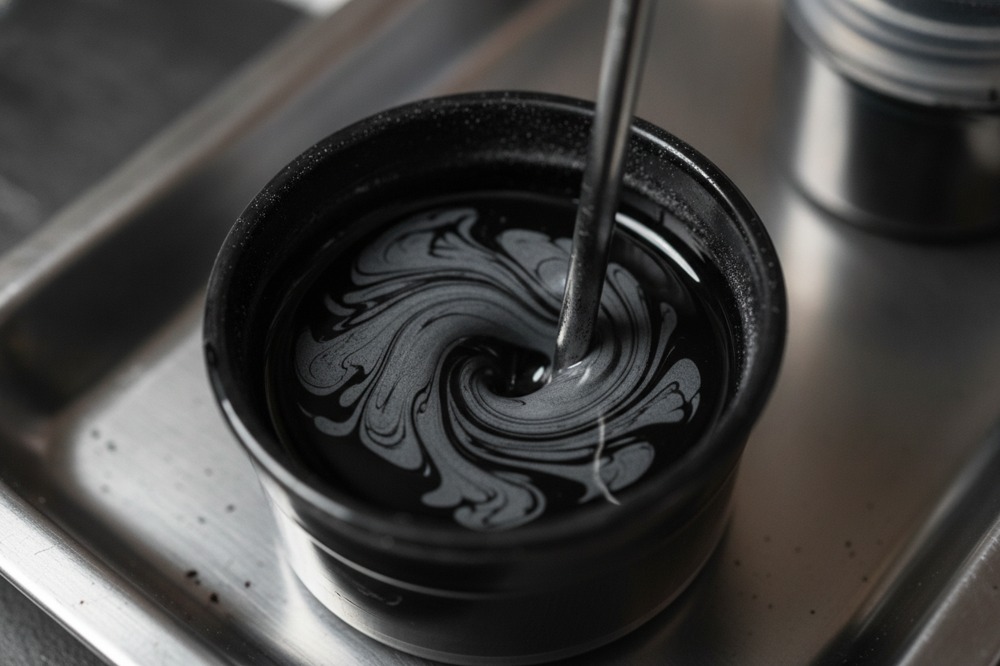
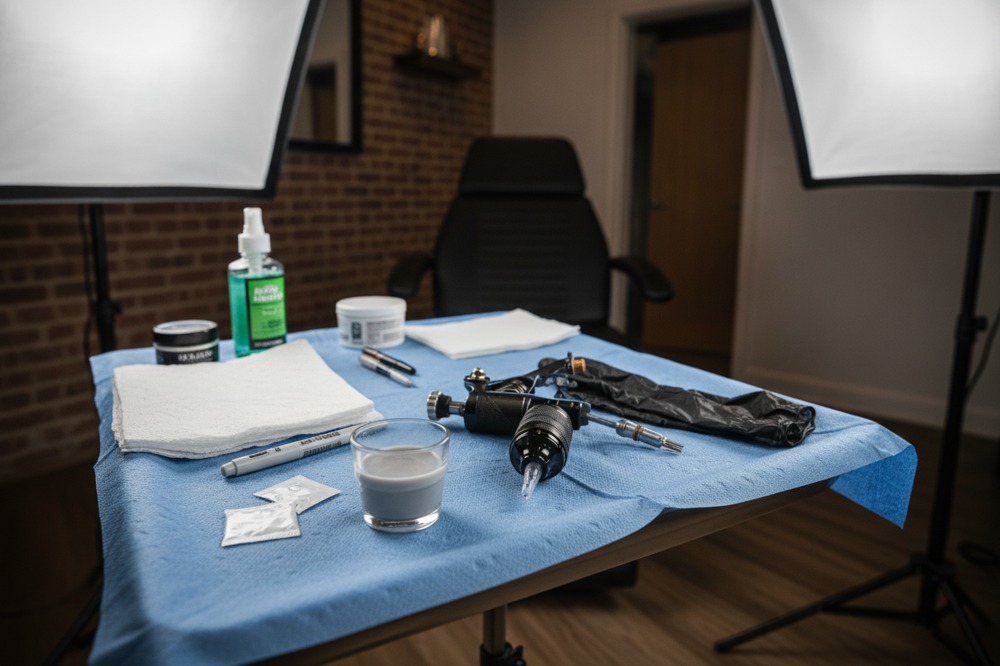
You arrive with your design settled or some ideas Paul can work with and the ashes. Before anything touches skin, there’s a proper conversation about placement, size and what you want the piece to say. A small amount of the ashes is prepared and blended into the dedicated ink, in view. Then the tattoo is done the way any tattoo is done, needle and prepared ink into the skin. The remaining ashes go home with you.
If you want a fuller picture of the run-up, it helps to know what happens before your appointment so nothing on the day catches you off guard and there’s more detail on what happens during your appointment itself. It’s an emotional day for most people and there’s no rush. The room is yours for as long as it takes.
Does Having Ashes In The Ink Change How The Tattoo Looks Or Heals?
No. When the ashes are properly prepared, they don’t change the look of the finished tattoo. You won’t see grey speckles or a change in colour. The prepared ashes are fine enough to sit invisibly within the pigment, so a black design stays black and a colour piece stays true. The meaning is in knowing they’re there, not in seeing a difference.
Healing is the same story. A tattoo made with prepared, sterilised ashes heals on the same timeline as any other tattoo, with the same aftercare. There’s no swelling that a normal tattoo wouldn’t have, no special products, no extended recovery. This only holds true because the ashes were prepared correctly first. It’s another reason the preparation step can’t be skipped: skipping it is exactly what would cause the healing problems people worry about.
Is It Safe, And Is It Legal In The UK?
Done properly, yes on both counts. There’s no UK law against tattooing with prepared cremation ashes. It’s your loved one’s remains and your choice how you memorialise them. The safety comes entirely from the preparation, cleaning, sterilising to clinical standards and clearing of contaminants, which is what removes the infection risk that raw ashes would carry.
The honest caveat is that safety depends on it being done right. Ashes tipped in raw are a genuine risk. Ashes prepared correctly are not. That’s the whole distinction and it’s why the studio you choose matters as much as the design you pick.
What Does An Ashes Tattoo Cost, And How Do You Arrange One?
Price depends on the design, mostly. Size, detail, colour, placement and how long the piece takes all feed into it, the same way they would for any custom tattoo. The ashes preparation is part of what you’re paying for, but the tattoo itself is priced like the tattoo it is. There’s a full breakdown of what an ashes tattoo costs if you want to understand what shapes the figure before you enquire.
Bubblegum Ink ® is an appointment-only studio in Sandbach, Cheshire, run by Paul Cutler, a multiple award-winning tattoo artist whose ashes work has featured on the BBC and in national and international press. People travel from across the UK and from Canada, the USA and Europe for it. If you’re weighing everything up, the complete ashes tattoo guide covers the wider subject and it’s worth understanding cremation ink services too, the separate business Paul founded that ships ashes-infused ink worldwide for people who can’t travel.
The easiest way to start is with a single question. You don’t have to have the design finished, the placement decided, or even to be sure you’re ready. A message about what you’re thinking is enough. From there it’s a conversation, about your loved one, what the tattoo should say and how the day would work, at whatever pace suits you. Ring 01270 385001 or email info@bubblegumink.com when you’d like to talk it through.
FAQ
Can I Watch My Loved One’s Ashes Being Turned Into Ink?
Yes. The ashes stay in view from start to finish, prepared and blended in the room while you watch. Nothing is taken to a back room. If you’d rather not handle them yourself, it’s done for you gently while you watch or look away.
How Much Of The Ashes Is Used To Make The Ink?
Only a small amount, roughly a teaspoon to a tablespoon depending on the tattoo. You bring the whole container on the day and take almost all of it home again, along with any leftover blended ink.
Are Raw Ashes Ever Put Straight Into Tattoo Ink?
No and they shouldn’t be. Raw ashes are too coarse to heal safely and haven’t been cleaned or sterilised. They must be matched to the right particle size, cleaned, sterilised to clinical standards and cleared of contaminants before being blended into a dedicated tattoo ink.
Does Ashes-Infused Ink Heal Differently To Normal Tattoo Ink?
No. Once prepared and blended, the ink behaves like ordinary ink in the skin. It feels the same during the tattoo, heals the same afterwards and follows the same aftercare. The preparation is what makes that possible.
Can Ashes From More Than One Loved One Go Into The Same Tattoo?
Often yes. Because only a small amount of each is used, remains from more than one person, or a person and a pet, can be prepared and blended for the same piece or across separate marks in one visit. It’s best to mention it when you enquire so it can be planned.
Do The Ashes Make The Tattoo Cost More?
No. The price is set by the size and detail of the tattoo, like any piece. Bringing more ashes doesn’t raise the cost, since only a small amount is used and the rest goes home with you.
Ready To Talk It Through?
The biggest worry is usually the ashes themselves and now you know the honest answer: prepared carefully, kept in view, mostly returned to you. If you’ve got a question that’s been nagging at you, ask it. You don’t need a design ready or a firm plan. A first phone call or email to talk through how it would work for your loved one is enough and there’s no pressure to book anything on the back of it. Call 01270 385001 or email info@bubblegumink.com when you’re ready.
Written by Paul Cutler, founder of Bubblegum Ink ®. He’s a multiple award-winning tattoo artist working from a private studio in Sandbach, Cheshire. Read more about Paul.