
Mum Memorial Tattoo Placement Ideas To Inspire
Key Takeaways
- The forearm, inner wrist, over the heart, the ribs, the upper back and the ankle are the placements most often chosen for a mum memorial tattoo.
- The inner forearm is the most common choice because it stays in your eyeline through the ordinary run of the day.
- Over the heart is chosen when the meaning matters but the tattoo itself is kept private, and the chest has room for a rose, a birth flower or a short quote paired with an image.
- Handwriting needs somewhere long and flat, so a full signature or a line from a card reads best on the inner forearm rather than curving around the ribs or ankle.
- Placement makes no difference to an ashes tattoo, because once the ashes are prepared and blended into the ink it heals and feels like any other tattoo.
- Bubblegum Ink prepares ashes by matching particle size, cleaning, sterilising to clinical standards and clearing contaminants before blending them into bespoke ink.
- Clients bring the ashes to the appointment, either the whole container or around a teaspoon measured out at home, and whatever is not used goes back with them.
- Skin that stretches or moves a lot, such as the inner elbow or the side of the hand, ages a design faster than steadier areas.
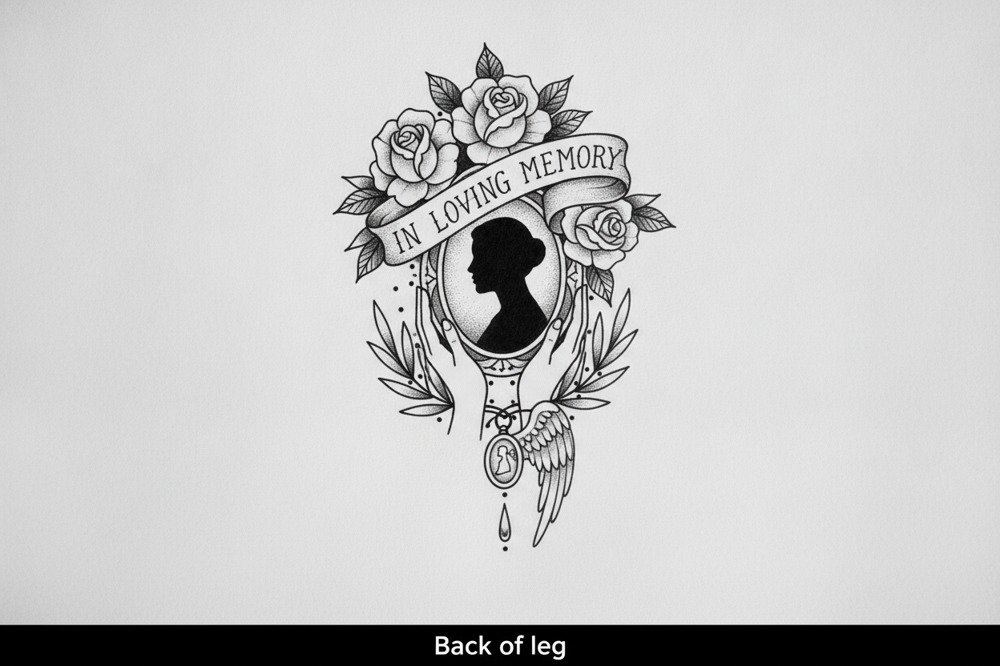
The forearm, inner wrist, over the heart, the ribs, the upper back and the ankle are the spots people most often choose for a mum memorial tattoo. The right one depends on what the design is and how much you want to see it. A short piece of her handwriting sits well on the inner wrist or forearm where you’ll catch it through the day. A larger portrait or a floral tribute wants the space of a shoulder, back or thigh. Over the heart carries an obvious meaning and stays private under clothes. Below I’ll go through each area, what suits it and the things worth thinking about before you commit.
Where Do People Usually Place A Mum Memorial Tattoo?
Most people land on one of a handful of spots and it’s rarely a coin toss. It comes down to two things: do you want to see it and do you want other people to.
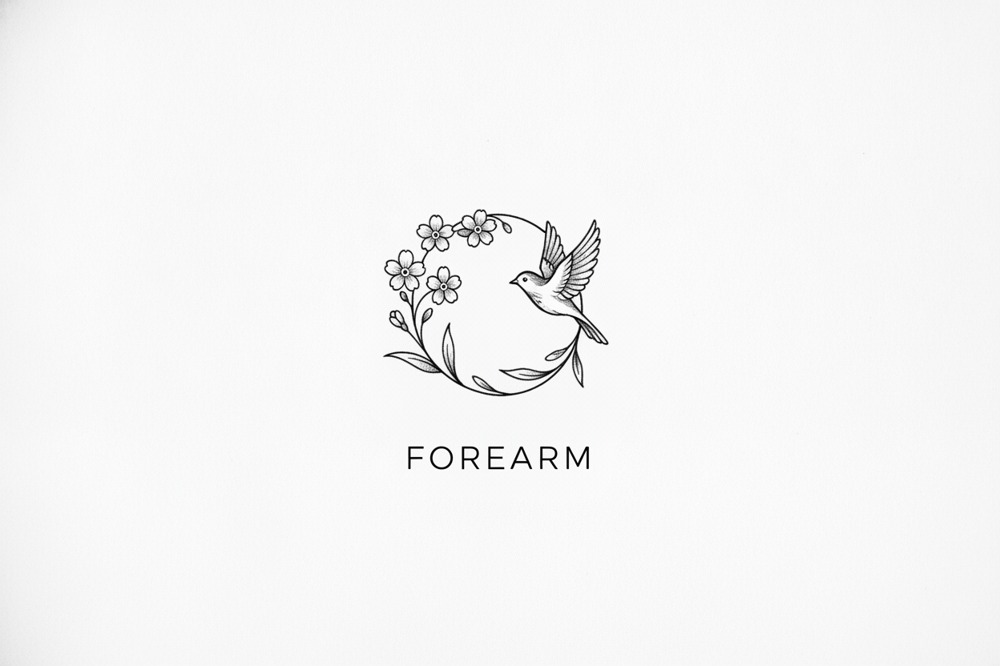
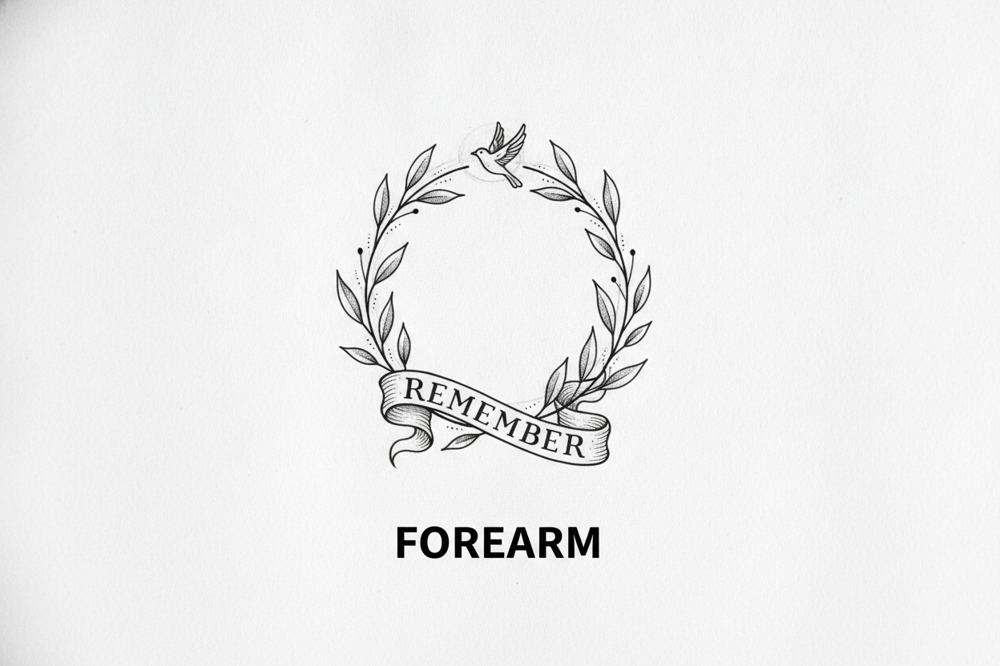
The inner forearm is the most common pick and for good reason. You see it constantly, dozens of times a day, every time you reach for something or turn the wheel. That steady glimpse is part of why people choose it. It’s a spot that keeps your mum in the ordinary run of the day rather than tucked away.
The inner wrist works the same way but smaller. It suits a single word, a date, a tiny heart or a short line in her writing. Skin there is thinner, so keep fine detail modest or it can blur as the years go on.
Over the heart, on the left of the chest, is the one people reach for when they want the meaning front and centre but the tattoo itself kept back. Nobody sees it unless you show them. For a lot of people that privacy is the whole point.
Which Placement Suits Mum’s Handwriting?
Handwriting is its own thing for placement, because the shape of the writing decides the shape of the space. A signature, a line from a birthday card, the way she signed off a note, all of it flows in one direction, so it wants somewhere long and fairly flat.
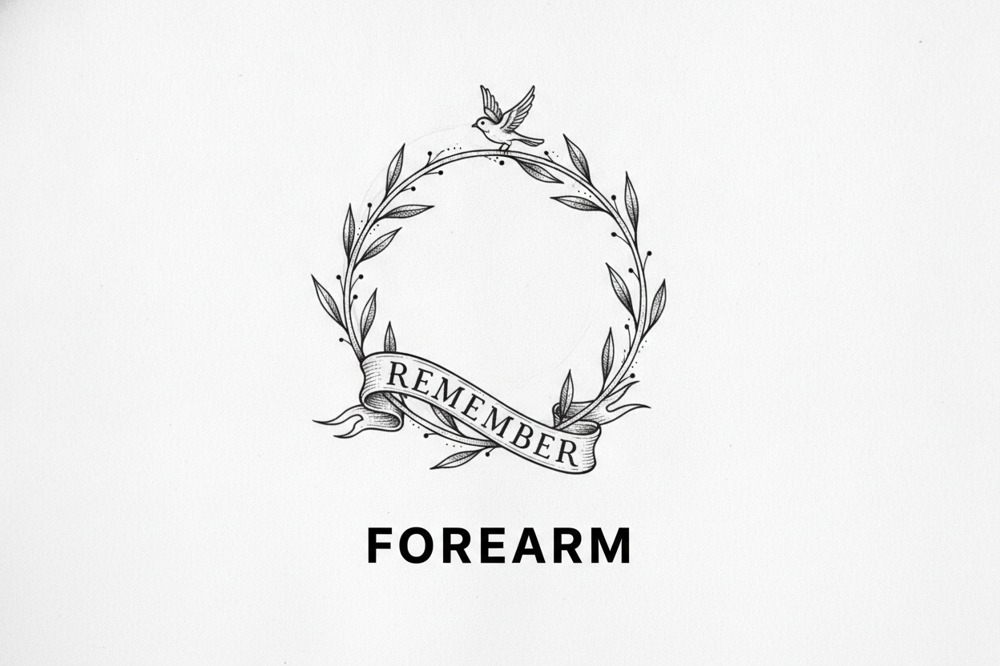
The inner forearm is the natural home for a line of writing. It runs the length of the arm and the skin stays flat, so a sentence like “love you always Mum” or a full signature reads cleanly without curving off. If it’s a short signature or just her first name, the inner wrist works too, sitting across or along it.
When you’re working from something she wrote, a shopping list, a Post-it, the inside of a Christmas card, the goal is to keep her real hand, shaky bits and all. Those wobbles are the point. Don’t let anyone “tidy” them. If you want to see how that side of it works and which scraps of writing tend to translate best, the mum handwriting ashes tattoo ideas page goes into it properly.
One practical note. Very long lines of writing don’t sit well on curved spots like the ribs or the ankle, where the words bend around the body and get hard to read. Keep the longer pieces on flatter ground.
Is Over The Heart A Good Spot For A Mum Tattoo?
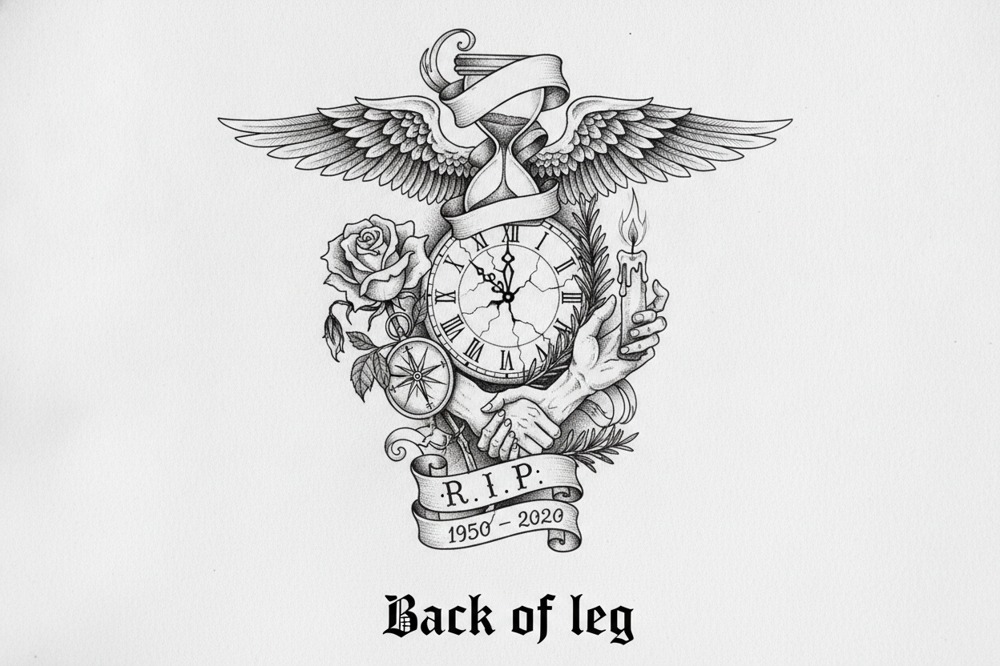
Yes and it’s a hugely requested placement for a mum piece. The meaning is plain without needing to be explained and it stays hidden day to day, which suits people who want something deeply personal rather than on show.
The chest gives you a decent amount of room, so it handles more than a small design. A rose with her initials, a short quote paired with a small image, a birth flower, all of these have space to breathe there. The trade-off is comfort. Skin over the breastbone and collarbone is closer to the bone, so it’s a sharper sensation than the forearm. It’s manageable and it’s over reasonably quick, but it’s fair to know going in.
If the meaning of the piece matters more to you than any single body part, it’s worth spending time on the design itself before you fix the spot. Some meaningful mum memorial tattoo ideas work anywhere and others really only land in one place, so the two decisions feed into each other.
What Placement Works For A Small Or Discreet Mum Tattoo?
If you want something you can cover for work or just keep quiet, the placement matters as much as the size. A small design in the wrong spot still shows.
The inner bicep is a good hidden option. It’s flat, it’s roomy enough for a small floral piece or a short line and a t-shirt sleeve covers it completely. Behind the ear suits a tiny symbol, a single initial or a small heart, though skin there is thin so keep it simple. The ankle and the inside of the foot work for something small and easily hidden by socks or shoes, with the caveat that feet take longer to heal and can be tender.
The back of the shoulder is another quiet spot. You can’t see it yourself without a mirror, but it’s flat, forgiving and gives a small piece room to sit well. People who want the tattoo more for the knowing it’s there than the seeing it often go here.
For a small piece especially, think about how the design and the spot talk to each other before booking. A run through general memorial tattoo design ideas can help you settle what you want on your skin before you decide exactly where it goes.
Does Placement Change Anything For An Ashes Tattoo?
Not really and that surprises people. When a small amount of your mum’s ashes goes into the tattoo, it’s prepared first, matched to the right particle size, cleaned, sterilised to clinical standards and cleared of contaminants, then blended into a bespoke, particle-matched, high-quality tattoo ink. Once it’s in the skin it behaves like any other ink. Same healing, same feel. So you can place an ashes piece anywhere you’d place a normal one. The spot is a free choice.
What does help is picking a placement that suits the design, because an ashes tattoo is a once-only thing. There’s a set amount of prepared ashes and one go at it, so it’s worth getting the where right rather than rushing. A flat, stable area like the forearm or upper arm is a safe, easy choice for a first ashes piece if you’re torn.
On the day itself, the ashes stay in the room with you the whole time. They sit on the workstation in plain sight and nothing is carried off to a back room out of view. If you’d rather not watch that part or handle the ashes yourself, that’s completely fine, it’s done gently at the bench while you look away.
Bringing the ashes is a simple either/or. Either bring the whole container and Paul lifts out what’s needed himself, or measure a small amount at home, roughly a teaspoon’s worth and bring just that. Whichever you pick, only a small amount is used and the rest goes back home with you.
Paul has tattooed for over 30 years, with 20 + of those spent specialising in ashes work, so placement questions like these come up in nearly every consultation. It’s a private, appointment-only studio, one person at a time, no shared busy floor, which is part of why people travel for it. If you want to see how the whole thing fits together before choosing a spot, the mum ashes tattoos guide walks through it start to finish.
How Do You Decide On The Right Spot For You?
Start with two questions. How often do you want to see it and who else do you want seeing it. Your answers narrow it fast.
If you want it in your eyeline all day, go for the inner forearm or wrist. If you want it close but private, the chest or ribs. If you want it hidden for work, the inner bicep, shoulder or ankle. Then check the design fits: long writing needs a flat run, portraits and florals need room, tiny symbols suit wrists and behind the ear.
One more thing worth saying. Think about the years ahead, not just now. Skin that stretches or moves a lot, the inner elbow, the side of the hand, will age a design faster. Steadier areas hold detail longer. If a piece is meant to stay with you for good, a spot that keeps it clear over time is a kindness to your future self.
And don’t overthink it to the point of freezing. Plenty of people arrive unsure, talk it through and the right spot becomes obvious once the design’s on paper. There’s no wrong answer here, only the one that feels right to you.
FAQ
Where Is The Best Place For A Mum Memorial Tattoo?
There’s no single best spot, it depends on the design and how visible you want it. The inner forearm is the most popular because you see it all day, over the heart is chosen when people want the meaning to be private and the inner wrist suits small pieces and short handwriting. Match the placement to what the design needs and how often you want to catch sight of it.
Which Placement Is Least Painful For A Mum Tattoo?
Fleshier, muscled areas tend to be the most comfortable, so the outer forearm, upper arm and thigh are usually the gentlest. Spots close to bone feel sharper, which includes over the heart, the ribs, the ankle and the top of the foot. None of it is unbearable, but if pain is a worry, a well-padded area is the easier place to start.
Can I Put My Mum’s Handwriting On My Wrist?
Yes, the wrist works well for a short signature, her first name or a single line. For anything longer, like a full sentence from a card, the inner forearm gives you a flatter, longer run so the words read cleanly. Skin on the wrist is thinner, so keep very fine detail modest to help it stay crisp as it ages.
Does It Matter Where I Place An Ashes Tattoo?
Once your mum’s ashes are prepared and blended into the ink, the tattoo behaves like any other, so you can place it wherever you’d place a normal tattoo. The main thing is choosing a spot that suits the design, since an ashes piece is a once-only tattoo. A flat, stable area like the forearm is a straightforward choice if you’re unsure.
What Placement Is Easiest To Hide For Work?
The inner bicep, back of the shoulder, ribs and ankle are all easy to cover. The inner bicep is a favourite because it’s flat, roomy enough for a small floral piece or short line and a t-shirt sleeve hides it completely. Behind the ear suits a tiny symbol if you want something very discreet.
Written by Paul Cutler, founder of Bubblegum Ink ®. Read more about Paul.