
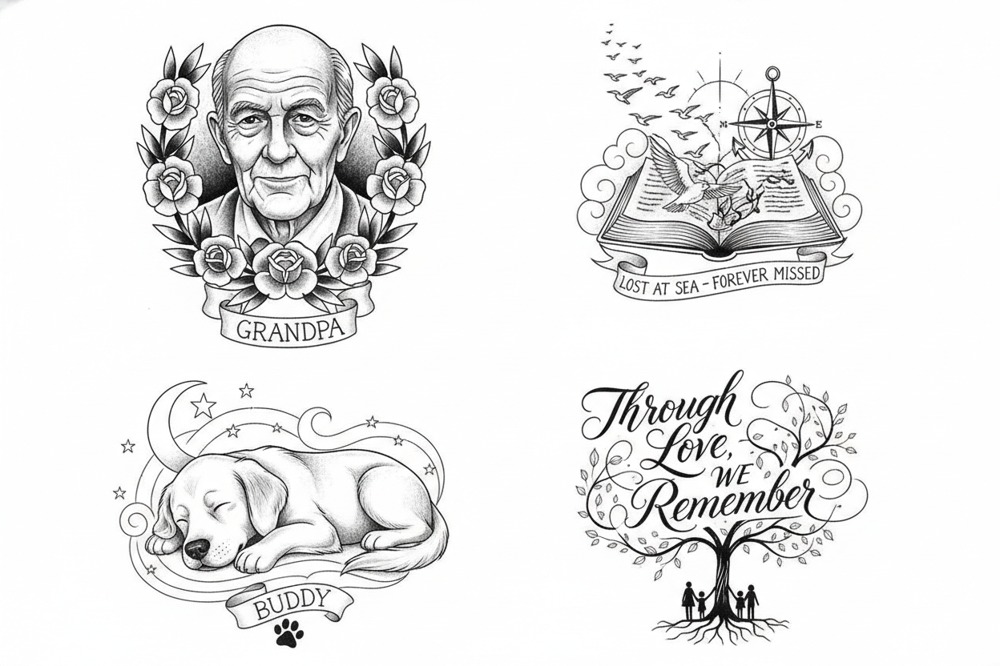
Memorial Tattoo Placement Designs For Your Inspiration
Key Takeaways
- Memorial tattoo placement follows the design and the feeling rather than a chart, so handwriting suits the inner forearm or wrist while a portrait needs the upper arm, thigh, back or calf.
- The forearm is the most requested memorial placement because it is flat, holds detail for decades and can be turned toward you or away from the world.
- Placements that stay hidden under normal clothing are the chest, ribs, shoulder blade, inner upper arm and outer thigh, while upper arm and calf pieces hide at work and show in summer.
- Handwriting needs a long straight run and should avoid areas that stretch and crease, such as the inner elbow or the side of a finger, where thin script blurs faster.
- Hands, fingers, feet and the inner wrist see more friction, sun and washing, so fine detail there softens sooner than the same design on an upper arm or thigh.
- Placement makes no difference to the safety of an ashes tattoo, because Bubblegum Ink matches the ashes to the right particle size, cleans, sterilises and decontaminates them before blending them into bespoke ink.
- Around a teaspoon of ashes goes into the ink, prepared on the bench in front of the client, with everything unused going home the same day.
Most people asking where to put a memorial tattoo are really asking two things at once: where will it look right and where do I want to carry this person day to day. The honest answer is that placement follows the design and the feeling, not a chart. A short line of someone’s handwriting sits beautifully along the inside forearm or the wrist. A portrait needs a bigger, flatter canvas like the upper arm, thigh or back. Something you want kept close and private tends to go over the heart, the ribs, or the inside of the bicep where only you see it. Below I’ve set out which spots suit which memorial designs and the trade-offs that matter once it’s on your skin for good.
Because a memorial piece is permanent and personal, the placement decision carries more weight than it would on a regular tattoo. You’re choosing not just how it looks, but how often you’ll catch sight of it, who else will and whether that’s a comfort or a raw reminder on a hard day. There’s no wrong answer. There’s only the answer that’s right for you.
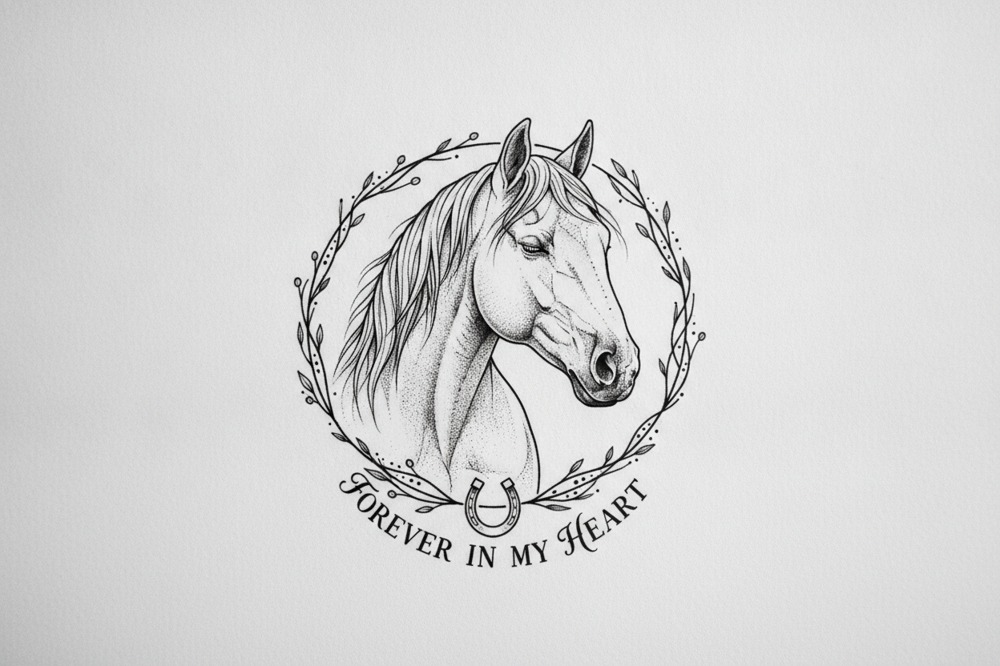
Where’s The Best Place On The Body For A Memorial Tattoo?
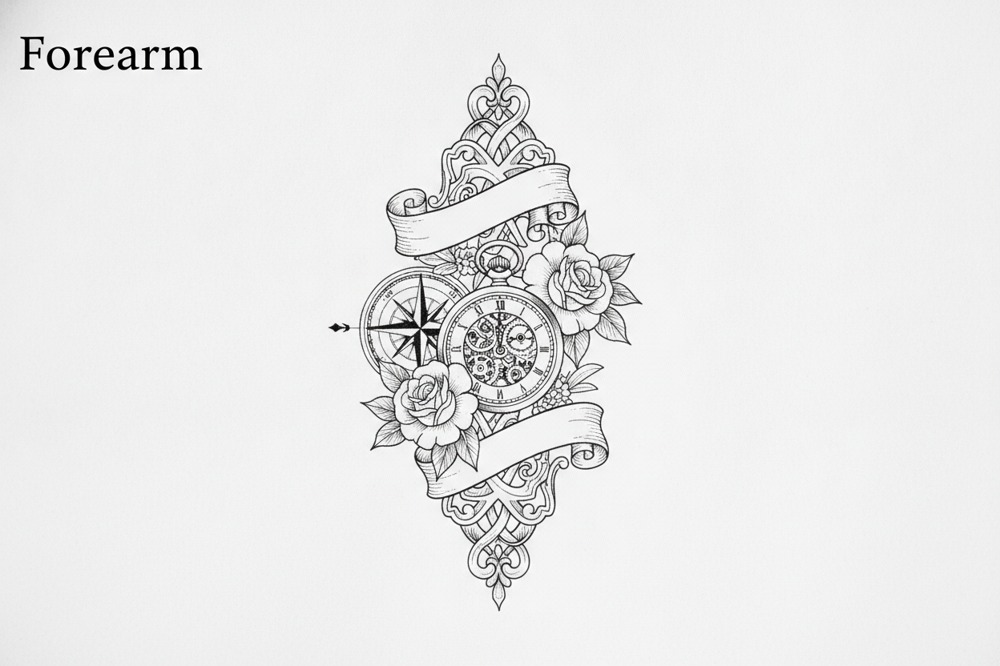
There isn’t one best spot, but there are spots that work harder for grief than others. The forearm is the most requested for a reason. It’s flat, it takes detail well and you can turn it toward you or away from the world with a twist of the wrist. Someone’s name in their own hand, a set of dates, a small bird, all of that reads clearly there for decades.
Over the heart is the placement people reach for when the loss is a parent, a partner or a child. It’s private, it sits where the feeling lives and nobody sees it unless you show them. The ribs run a close second for the same reason, though I’ll be straight with you, the ribs are one of the more tender areas to sit through.
The inner wrist suits the smallest tributes, a single word, an initial, a tiny heart. The upper arm and shoulder give you room for something with more going on. If you want a spot you can look at whenever you need to, the inner forearm and the back of the hand win. If you want it for you alone, think chest, ribs, inner bicep or the outer thigh.
Think too about your own life. A nurse who scrubs in daily, a bricklayer, a swimmer, all have reasons a hand or forearm piece might not suit their work and a covered placement makes more sense. Placement is practical as much as it is emotional.
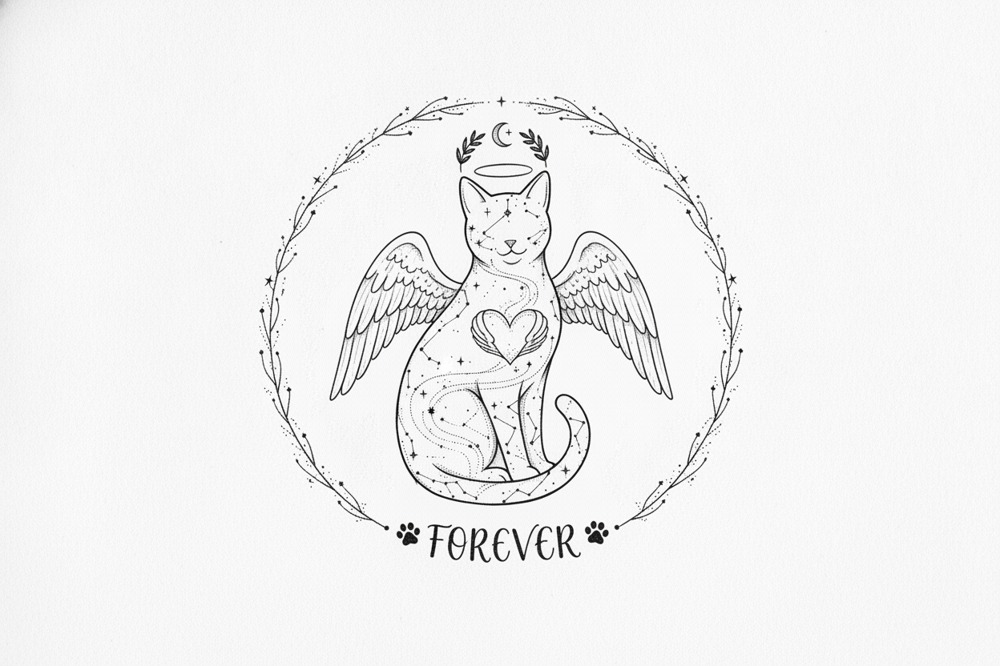
Should You Put A Memorial Tattoo Somewhere You Can See It Or Somewhere Private?
This is the question I hear most and it splits down the middle. Some people want their loved one in view all the time. Every time they reach for a mug or type at a keyboard, there’s the tattoo and that constant small hello is exactly what they’re after. For them the inner forearm, wrist or back of the hand is right.
Others find a tattoo they can’t stop seeing too much, especially in the first raw months. If catching it by accident might undo you on the school run, a private placement gives you control. The chest, ribs, inner upper arm, shoulder blade or outer thigh all stay hidden under normal clothes, so you choose the moments you look.
There’s a middle path plenty of people take. Upper arm pieces vanish under a t-shirt but show in summer. A calf tattoo hides under trousers and appears in shorts. That way the tattoo isn’t on show at work but it’s there when you want it. If you’re torn, I usually suggest sleeping on it and picturing an ordinary Tuesday, not the day you booked. Where would you want it on a normal day.
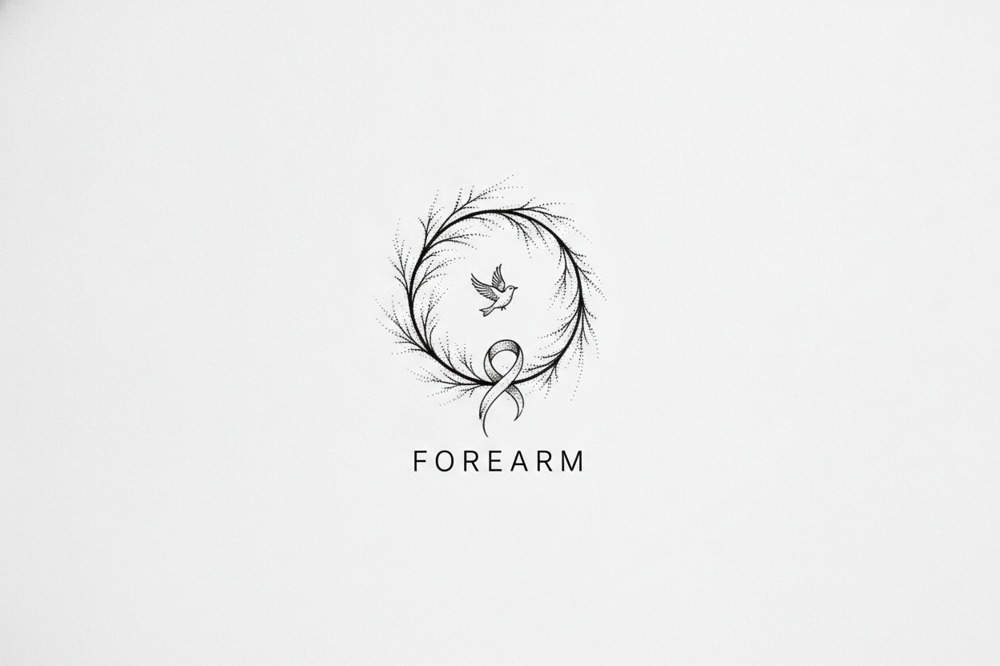
Which Placements Suit Handwriting And Signature Memorials?
Handwriting is among the most moving things I get to tattoo and where it goes depends on the length of the writing. A single word like “Mum” or a short signature sits perfectly along the inner wrist or the inside forearm, following the natural line of the arm. A longer line, a full sentence from a birthday card or the last text they signed off, wants a longer straight run. The forearm lengthways, the collarbone, along a rib line, or across the top of the foot all give handwriting room to breathe without cramping the letters.
The thing with handwriting is that it needs to stay legible, so I steer people away from spots that stretch and crease a lot, like the inner elbow or the side of the finger, where thin script blurs faster. If you’re drawn to a signature or a scrap of writing from a note, the design guidance in memorial tattoo ideas for men and memorial tattoo ideas for women covers how different scripts and styles sit on the body, which feeds straight into where they place best.
Where Do Portraits And Larger Memorial Pieces Sit Best?
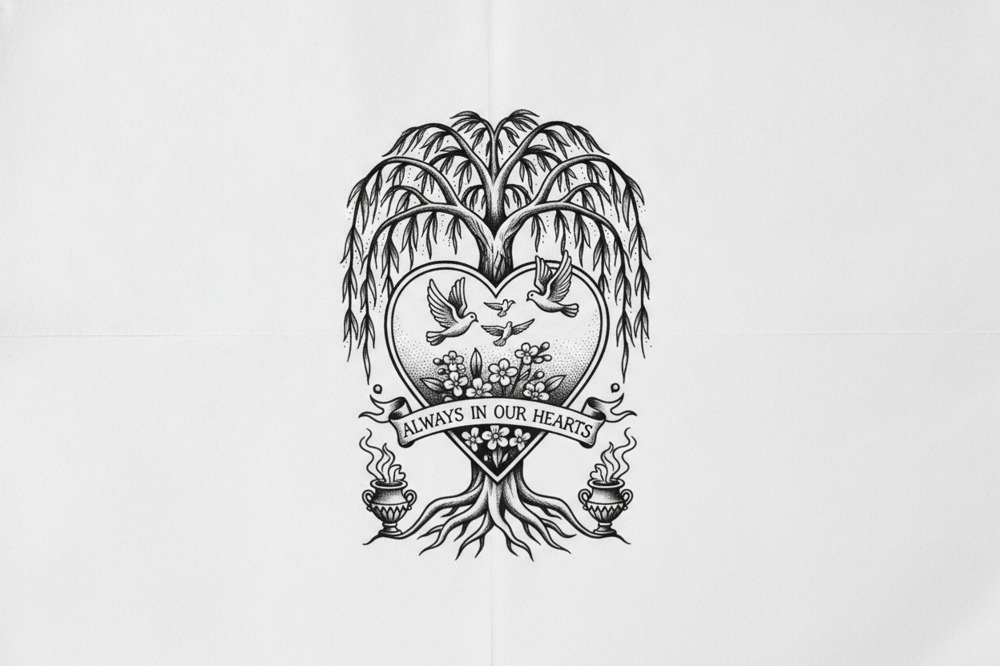
Portraits are unforgiving. They need a big, fairly flat area so the face doesn’t distort as you move, which rules out most of the small tender spots people first imagine. The upper arm, the outer thigh, the back, the chest and the calf all give a portrait the space it needs to hold detail and read as a likeness for years.
If you’re picturing a portrait alongside dates, a favourite flower or a few words, factor that in early, because the whole composition needs planning as one placement, not squeezed on piece by piece. I’d rather map the full design and its home on the body before a needle touches skin. For a scene, a landscape they loved, a horizon, a tree, the back and the ribs give you a canvas that suits something that wraps or flows.
Smaller isn’t lesser, mind. If a full portrait feels like too much, small memorial tattoo ideas shows how a simple symbol on the wrist or behind the ear can carry every bit as much weight and those tuck into spots a portrait never could.
Does Placement Change How A Memorial Tattoo Ages And Stays Safe?
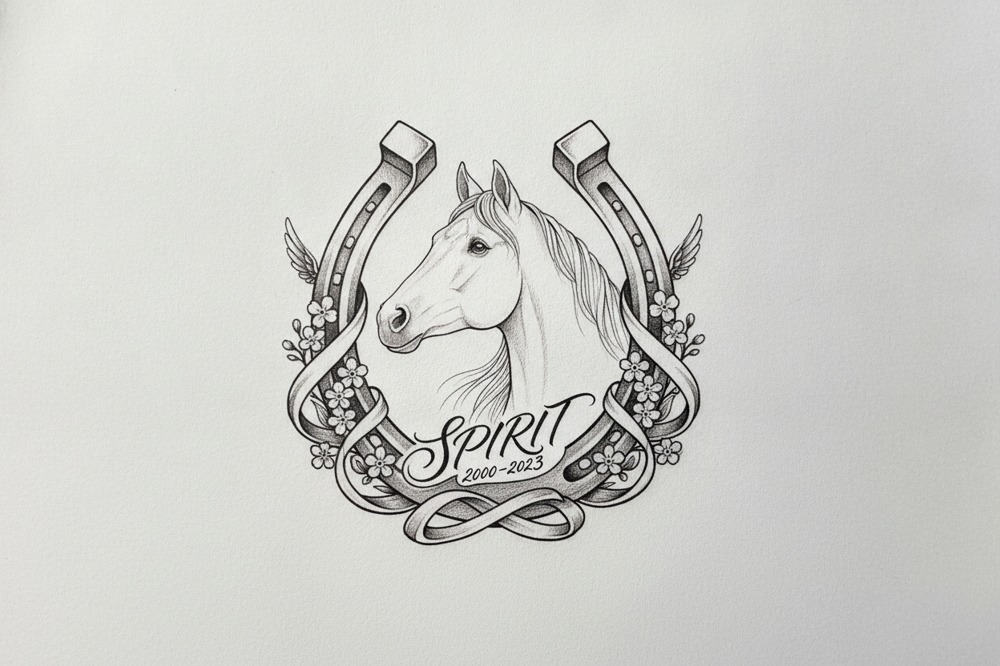
Yes and it’s worth knowing before you choose. High-friction, high-stretch areas fade and blur quicker. Hands, fingers, feet and the inner wrist see a lot of wear, sun and washing, so fine detail there softens sooner than the same design on an upper arm or thigh. That doesn’t mean avoid them, plenty of hand and wrist memorials are worth the touch-up down the line, it just means going in with your eyes open.
For an ashes memorial the placement doesn’t change the safety of the work at all and people do ask, so I’ll answer it plainly. The ashes I use are matched to the right particle size, cleaned, sterilised to clinical standards and cleared of contaminants, then blended into a bespoke, particle-matched, high-quality tattoo ink. Once it’s in the skin it settles and heals exactly like any tattoo, wherever you place it. If you want the full picture on that side of things, are ashes tattoos safe goes into the preparation properly. And whatever your loved one’s ashes get blended into, having specialised in ashes work for 20 + years within a tattooing career of over 30, I keep every part of that process in the open.
Which leads to the bit people quietly worry about most, what happens to the ashes you don’t use. Only a small amount goes into the ink, roughly a teaspoon’s worth. Nothing is taken off to a back room or done out of your sight. Everything happens on the bench in front of you and if you’d rather not watch the moment the ashes are handled, you can look away and I’ll do it gently. The rest of the ashes go home with you the same day. They never leave the room without you.
How Does Placement Get Decided On The Day?
We settle the exact spot together before I start, with a stencil placed on the skin so you can see it in a mirror, move it, sit with it, sleep on nothing. Placement often shifts an inch or two once it’s on the arm rather than on paper and that’s normal. For the ashes themselves you’ve got two easy options. You can measure out a small amount at home, about a teaspoon’s worth and just bring that along. Or, if handling the ashes yourself feels like too much, bring the whole container and I’ll take out what’s needed here, with you watching or looking away as you prefer. Either way the remainder goes back home with you.
If you’re still weighing up designs before you even get to placement, the memorial tattoo designs guide walks through the styles and symbols first, which makes the where-to-put-it decision far easier once the what is settled.
FAQ
Where Is The Least Painful Place To Get A Memorial Tattoo?
The outer upper arm, outer forearm, calf and outer thigh are generally the kindest spots to sit through, because they’ve got more muscle and less bone near the surface. The ribs, chest, spine, feet and inner wrist are more tender. If it’s your first tattoo and the placement is flexible, I’d point you toward a fleshier area for an easier first sitting.
Where Should I Put A Memorial Tattoo For My Mum Or Dad?
Most people choose somewhere close to the heart for a parent, so the chest, the inner forearm or the wrist come up again and again. Over the heart carries obvious meaning and stays private. The forearm keeps them in daily view. There’s no rule, it comes down to whether you want a constant reminder or a quiet private one.
Can I Put A Small Memorial Tattoo Behind My Ear Or On My Finger?
You can and both are lovely for a tiny symbol or initial. Be aware that fingers and the area behind the ear rub and fade faster than most spots, so keep the design simple with no fine detail that will blur and expect it may want a touch-up in a few years.
Does It Matter Where On The Body The Ashes Go In An Ashes Tattoo?
Not for the ashes side of it. The prepared ashes are blended into the ink and behave the same wherever the tattoo sits, so you can place an ashes memorial anywhere you’d place a normal tattoo. Choose your spot on looks, meaning and how it’ll age, exactly as you would any other piece.
What’s A Good Placement If I Want To Keep A Memorial Tattoo Hidden At Work?
The chest, ribs, shoulder blade, inner upper arm and outer thigh all stay covered under normal work clothes. Upper arm and calf pieces hide under sleeves and trousers but show in summer, which suits people who want it private on workdays and visible off the clock.
Get In Touch
If you know the spot or you’re still deciding, ring me on 01270 385001 or email info@bubblegumink.com and we’ll talk it through. The studio’s private and by appointment.