
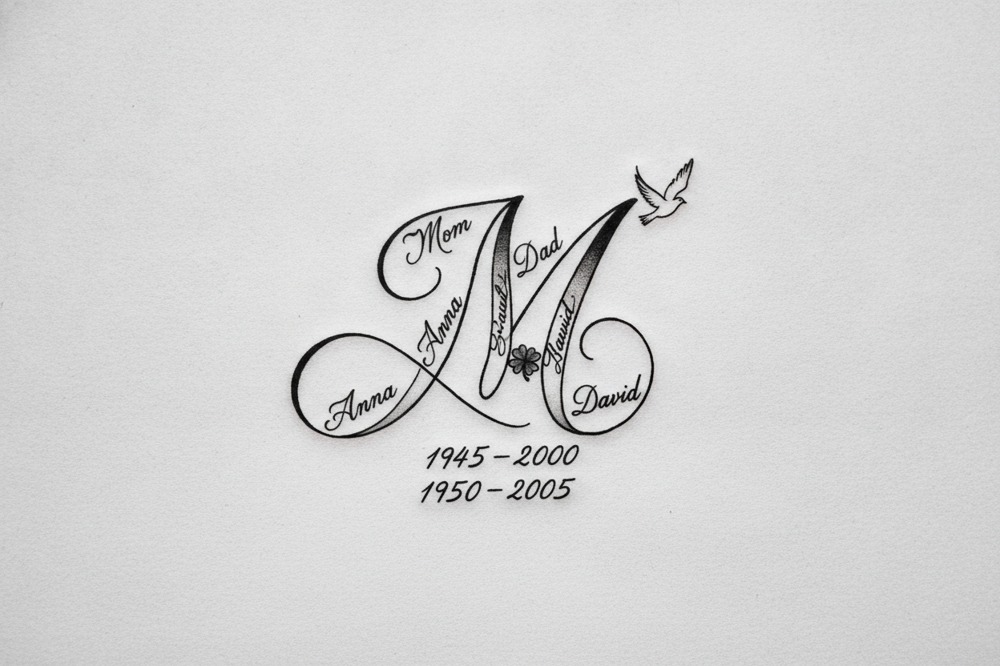
Handwriting Tattoo Placement For Inspiration
Key Takeaways
- The inner forearm is the best all-round placement for a handwriting tattoo, being flat, easy to see, slow to stretch and reading left to right the way the words were written.
- Handwriting is made of thin, delicate lines, so placement matters more than with most tattoos and anywhere that flexes hard will drag those lines apart over time.
- Fingers fade fastest of any placement because the skin rubs against everything all day, with feet, the wrist crease and anywhere over a joint close behind.
- Short pieces such as a signature or a few words fit almost anywhere, while a full note or a handwritten recipe needs a long, flat stretch like the forearm, spine, upper back or outer arm.
- Handwriting should never be squashed to fit a small spot, because shrinking the letters strips out the character and makes the writing look printed rather than personal.
- Whose handwriting it is can shape the placement, with a child’s wobbly scrawl suiting somewhere close and protective and a grandparent’s cursive needing room for the loops to show.
- Bubblegum Ink prepares cremation ashes by matching particle size, cleaning, sterilising to clinical standards and clearing contaminants, then blending them into bespoke ink made in the studio.
- Ashes ink behaves like ordinary ink once in the skin, so the placement that suits a normal handwriting tattoo is the same one that works with ashes in it.
The inner forearm is the most popular spot for a handwriting tattoo, because it’s flat, easy to see and reads left to right the same way the writing was penned. Short lines like a signature or “I love you” also work beautifully on the inner wrist, the collarbone or the ribs. Longer notes, a full sentence or a recipe need a longer stretch of skin, so the forearm, the outer upper arm or down the spine tend to hold them best. The right spot comes down to how long the words are, how private you want them and whether the area moves or stretches much, since handwriting is thin and delicate and needs somewhere fairly flat to stay legible.
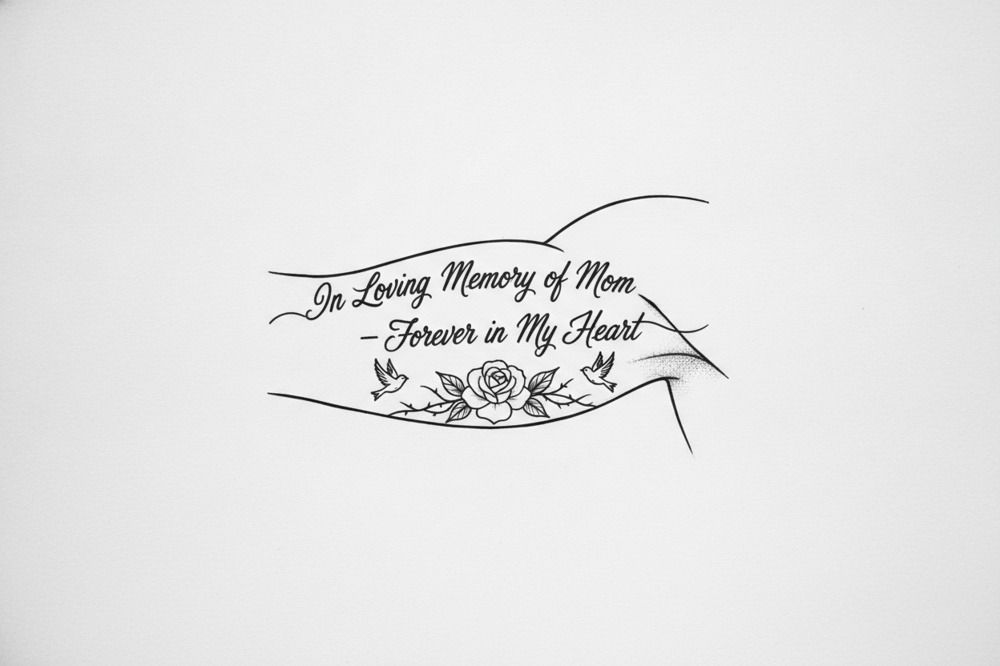
Where Does A Handwriting Tattoo Sit Best On The Body?
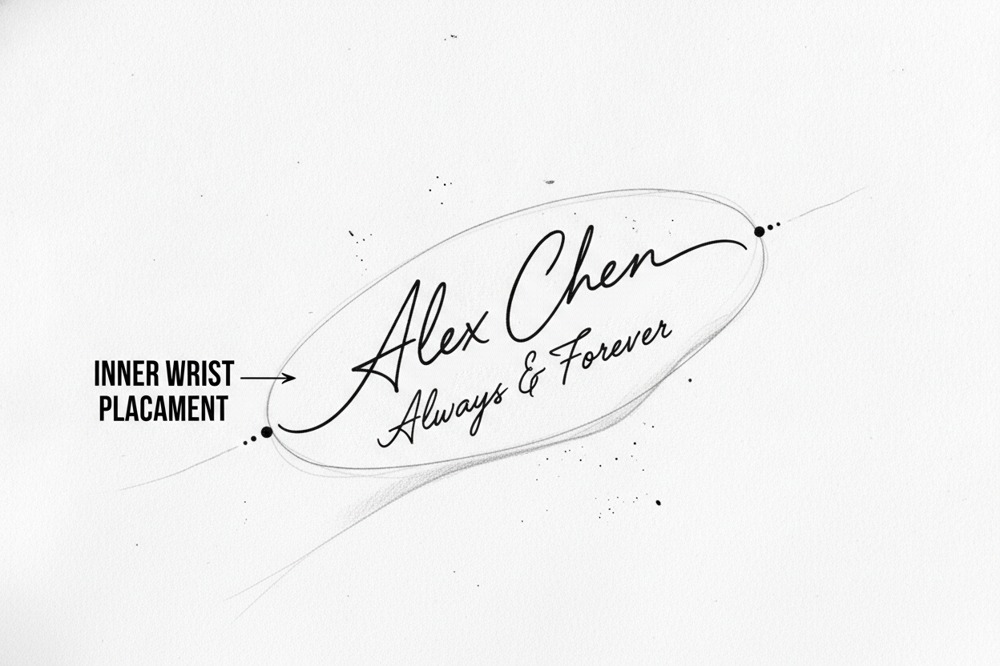
The writing itself decides more than most people expect. Bring me a single word, a signature, or a short line and you’ve got the run of your body, more or less. The inner wrist suits a name or an “x” you want close and glanceable. The collarbone carries a short line well because it follows a natural curve without bending the letters out of shape. Behind the ear or on the side of a finger works for something tiny, though those spots fade faster and I’ll be honest with you about that before we start.
The inner forearm is the one I recommend most for handwriting. It’s flat, it’s yours to see whenever you glance down and the skin there doesn’t stretch much over the years. That last part matters a lot with thin script. Places that flex hard, like over a knuckle or the front of a shin, drag fine lines apart as they heal and age.
If you’re weighing up wrist versus forearm versus somewhere higher, that’s really a signature-placement question and it’s worth thinking through the whole run of options in memorial tattoo design ideas before you settle. A signature is short, so it’s forgiving. You can place it small on the wrist, tuck it inside the bicep, or set it over the heart.
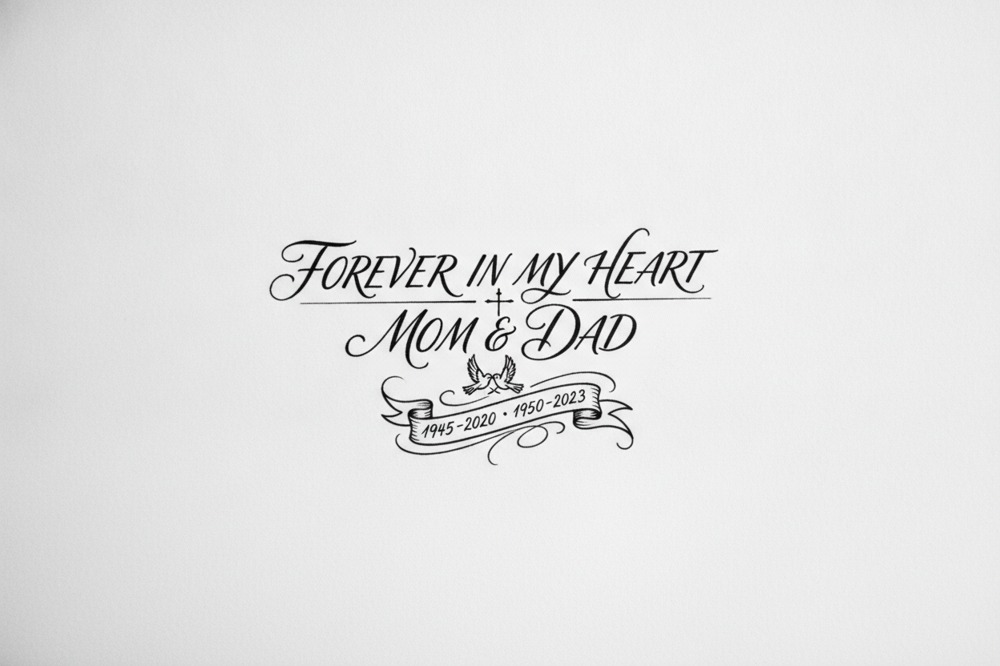
How Does The Length Of The Writing Change Where It Goes?
This is the part people skip and then regret. A three-word note and a handwritten recipe are not the same job.
A short phrase, say “love you always” in your mum’s blue biro, fits almost anywhere with room to spare. You can keep the original size, letters and all and it’ll still be crisp in ten years. Something like i love you handwriting tattoo ideas sits happily on a wrist, an inner forearm or just below the collarbone without me shrinking a thing.
A full sentence or a couple of lines from a birthday card needs a longer canvas. The forearm running elbow to wrist is ideal. So is the outer upper arm, or down the side of the ribcage if you want it more hidden. The trick is never squashing the words to fit a small spot, because that’s where the letters lose their character and start to look printed rather than handwritten.
Then there’s the big one. A whole handwritten recipe memorial tattoos piece, an entire scone recipe in your nan’s hand, ingredients and method and the little smudge where she leaned on the pen. That’s a lot of words. Those go on the forearm lengthways, along the spine, across the upper back or wrapping the outer arm. I’ll size the whole thing so every line stays readable and if the recipe is too long for one clean spot I’ll talk you through what to keep so it doesn’t turn into a grey block on your skin.
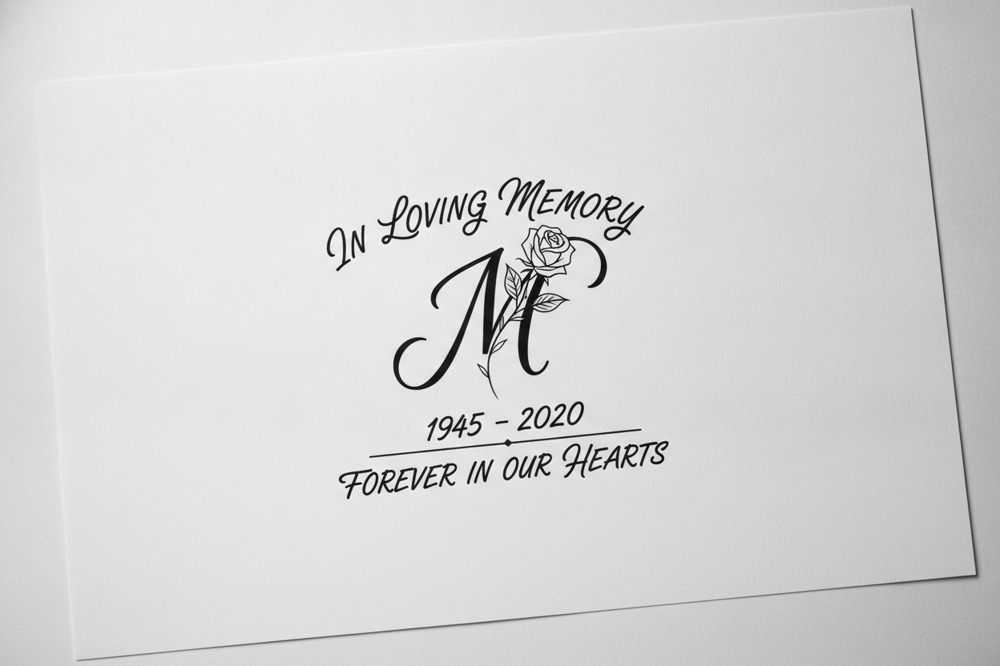
Should A Handwriting Tattoo Be On Show Or Kept Private?
Some people want the words where they’ll catch them a hundred times a day. Others want them somewhere only they know about, a private thing between them and the person who wrote it.
If you want it seen, the inner forearm, the wrist and the back of the hand keep it in your eyeline. Good for you and easy for others to notice and ask about, which some people find comforting and some don’t.
If you’d rather keep it close and covered, think ribs, the inner bicep, over the heart, the hip, the shoulder blade or the back of the neck under your hairline. A note from a sympathy card that’s just for you sits well over the heart. You feel it there even when nobody sees it. Placement is genuinely part of the grief here, not just the aesthetics, so take your time with which side of that you’re on.
Which Placement Keeps Handwriting Readable As It Ages?
Handwriting tattoos are thin lines and thin lines are the first to soften over decades. Where you put it decides how well it holds.
The steady spots are the ones that don’t stretch or take a lot of sun or friction: the inner forearm, the inner bicep, the upper back, the calf, the chest. Skin there ages slowly and the fine script stays sharp.
The spots that fight you are the hands, the fingers, the feet, the wrist crease and anywhere over a joint. Fingers rub against everything all day and the ink breaks up. Feet see friction from shoes. If your heart is set on one of those, I’ll still do it well, but I’ll tell you straight that it may need a touch-up down the line and I’d rather you knew that going in than felt caught out later. Sizing helps too. Giving the letters a little breathing room means they can soften a fraction over the years without the words closing in on themselves.
Does Whose Handwriting It Is Affect The Placement?
It often does and I think it should. The spot can carry meaning as much as the words.
A child’s wobbly signature or a scrawled “I love you Daddy” from a Post-it feels right somewhere close and protective, the inner arm or over the heart. A grandparent’s careful, old-fashioned cursive suits a spot with a bit of room to show off the loops and flourishes, so the forearm or upper arm lets that shine. A partner’s quick, everyday note, the kind left on the fridge, often ends up somewhere they used to touch or you’d naturally rest a hand.
Because I’m working with cremation ashes for a lot of these, the placement conversation and the ashes conversation happen together. The ashes get matched to the right particle size, cleaned, sterilised to clinical standards and cleared of contaminants, then blended into a bespoke, particle-matched, high-quality tattoo ink that I prepare here. Once it’s in your skin it behaves like any ordinary ink, same feel while it heals, so the spot you’d choose for a normal handwriting tattoo is the same spot that works with the ashes in it.
And you watch the whole time. That part matters to people more than almost anything else, so I keep your loved one’s ashes in view from start to finish. Nothing goes off to a back room, nothing happens out of your sight. If handling the ashes yourself feels like too much in that moment, I’ll do it gently for you while you look on, or look away if you’d rather. On the day it’s an either-or: bring the whole container along and I’ll take out what I need myself, or measure a small amount at home, roughly a teaspoon’s worth and just bring that. Either way the rest goes home with you.
I’ve specialised in ashes tattoos for 20 + years, inside a tattooing career of 30 +, so I’ve placed a lot of handwriting on a lot of different bodies and I’ll steer you honestly on what your particular note will look like where. If you want the fuller picture on turning a note into something wearable, the handwriting ashes tattoos guide covers it end to end and you can read the handwriting ashes tattoos guide alongside this.
FAQ
What Is The Best Placement For A Signature Tattoo?
The inner forearm and the inner wrist are the two best spots for a signature. A signature is short, so it fits either without shrinking and both areas are flat and slow to age, which keeps the fine lines crisp. Over the heart and the inner bicep are the top choices if you’d rather keep it private.
Where Should I Put A Handwriting Tattoo That Has A Lot Of Words?
Long pieces like a full note or a recipe need a long, fairly flat stretch of skin. The forearm running elbow to wrist, the outer upper arm, down the side of the ribs, the spine and the upper back all hold a lot of words while keeping every line readable. I’ll size the whole thing to the spot so nothing gets squashed.
Do Handwriting Tattoos On The Wrist Or Fingers Fade Faster?
Fingers fade fastest by a long way, because the skin there rubs against everything all day and breaks the thin lines up. The wrist is more middling: the flat inner wrist holds well, but right on the crease it creases and softens. For handwriting that needs to last, the inner forearm is a safer bet than either.
Can A Handwriting Tattoo Be Placed Somewhere Hidden?
Yes and plenty of people want exactly that. The ribs, inner bicep, over the heart, the hip, the shoulder blade and the back of the neck under your hairline all keep handwriting private and easy to cover. A short, meaningful line often suits these tucked-away spots best.
How Do I Choose Placement For A Child’s Handwriting Tattoo?
A child’s writing tends to be short and full of character, so it fits close, protective spots well, the inner arm or over the heart. Because the letters are already big and loose, you can keep them close to the original size rather than shrinking them, which holds onto the wobble and the personality that make it theirs.
Ready When You Are
When you’ve got a spot in mind, or even if you haven’t and want me to help you decide, the next step is simple: send me a photo of the handwriting and tell me roughly where you’re thinking and we’ll book a consultation to look at it properly. Call me on 01270 385001 or email info@bubblegumink.com. The studio is private and appointment-only.