
Getting An Ashes Tattoo For Your Beloved Horse
Key Takeaways
- A horse ashes tattoo infuses your horse’s cremation ashes into the tattoo ink itself, so the finished piece physically carries them.
- Equine memorial pieces usually sit on the upper arm, shoulder, ribs, thigh or upper back, because a detailed horse portrait crammed into a small space loses the depth that makes the horse recognisable.
- Equine cremation produces a far larger volume of ashes than smaller animals, and only around a teaspoon’s worth is needed, so most riders bring a small portion rather than a full urn.
- Bubblegum Ink matches the ashes to the right particle size, then cleans, sterilises to clinical standard and clears them of contaminants before they go anywhere near your skin.
- Ashes stored at the yard for years work exactly as well as recent material, and a horse put down on the yard rather than at a vet hospital makes no difference to the process.
- Bring as many photographs as you can to the consultation, as outdoor shots in good light translate better than indoor stable pictures for capturing a blaze, a star or particular socks.
- Larger equine pieces are often split across two appointments, which suits riders travelling in rather than pushing through one long day.
- Bubblegum Ink is a private, appointment only studio in Sandbach, Cheshire, off junctions 17 and 18 of the M6, working with riders from across the UK and Europe.
Anyone who’s ever lost a horse will tell you it isn’t the same as losing other animals. The relationship between rider and horse is built differently. Years, sometimes decades, of physical work shared. Early mornings in winter when neither of you wanted to be up. Hours in the saddle. Hours in the school. Hours mucking out, grooming, picking out feet, watching them eat. The bond gets built in the small daily things, and when it’s gone, the absence is felt in the rhythm of every day.
Other people who haven’t ridden don’t always understand the depth of what’s lost. Yard friends do. Family members who watched it from the outside sometimes do. But for the rider themselves, the loss can be enormous, and finding a memorial that does justice to what the horse actually was tends to matter.
A horse ashes tattoo at Bubblegum Ink ® infuses your horse’s cremation ashes into the tattoo ink itself, so the finished piece physically carries them. After twenty years of equine memorial work, we’ve welcomed riders from across the UK and Europe specifically for this. This page covers what the work involves, how horses translate into tattoo design, and what to think about if you’re travelling in for an appointment.
Why Equestrian Memorials Tend To Be Larger
Most of our equine memorial pieces sit on the upper arm, shoulder, ribs, thigh, or upper back rather than on the wrist or inner forearm. There’s a practical reason for this. Horses are large animals, and the imagery that captures them properly tends to need room to breathe. A heavily detailed portrait crammed into a small space loses the depth that makes the horse recognisable. A galloping silhouette compressed onto a wrist loses its movement.
That doesn’t mean smaller pieces don’t work. A clean fine-line silhouette on the inner forearm can be beautiful, and a single date with a small horseshoe accent suits an inner wrist or behind-the-ear placement. But for the kinds of designs riders most often want (head and shoulders portraits, body shots in motion, detailed studies of a particular pose), larger placements tend to serve the work better.
Larger pieces are sometimes structured across two appointments rather than completed in a single sitting, which often makes practical sense for clients travelling from a distance who’d rather break the work up than push through one long day.
Capturing A Specific Horse
Every horse has features that make them recognisable to the people who knew them. The blaze. The star. The white socks. The set of the ears at attention. A particular way of holding the head when something caught their interest. The angle of the tail when they were content. The way the mane fell.
When you bring photographs to the consultation, bring as many as you can. Different angles, different lights, ones that capture the markings as well as the face. The more reference material we have to work from, the more the finished piece will look like the specific horse you spent years with rather than a generic equine subject. Photographs taken in good outdoor light usually translate better than indoor stable shots.
Discipline-Specific Imagery
Sometimes the right design isn’t a portrait at all. It’s a piece of equipment, a moment from competition, or a symbolic shorthand for the kind of work the two of you did together.
Common directions, drawn from the disciplines we most often work with:
- Showjumping. Imagery of the horse mid-jump, often profile view from the side. Sometimes paired with a fence design or a clear-round symbol.
- Eventing. Cross-country fences, the unmistakable silhouette of horse and rider going over a brushed birch fence, or three-discipline imagery combining elements of dressage, cross-country, and showjumping.
- Dressage. A piaffe or passage moment captured in profile, ear positions, the curve of a flexed neck, or symbolic imagery from the marks of the arena.
- Showing and breed work. A standing pose specific to the breed, or breed-specific imagery (cob feathers, Welsh mountain pony shape, native pony stockiness).
- Hacking and pleasure riding. A relaxed walking posture, a horse and rider silhouette on an open horizon, a particular saddle and bridle setup that meant something.
- Racing. A horse at full extension, sometimes with racing colours referenced or a specific race number.
- Polo, endurance, driving, vaulting. Each comes with its own distinct visual vocabulary, and the design conversation can centre on whichever discipline best captured the partnership.
Tack And Object Imagery
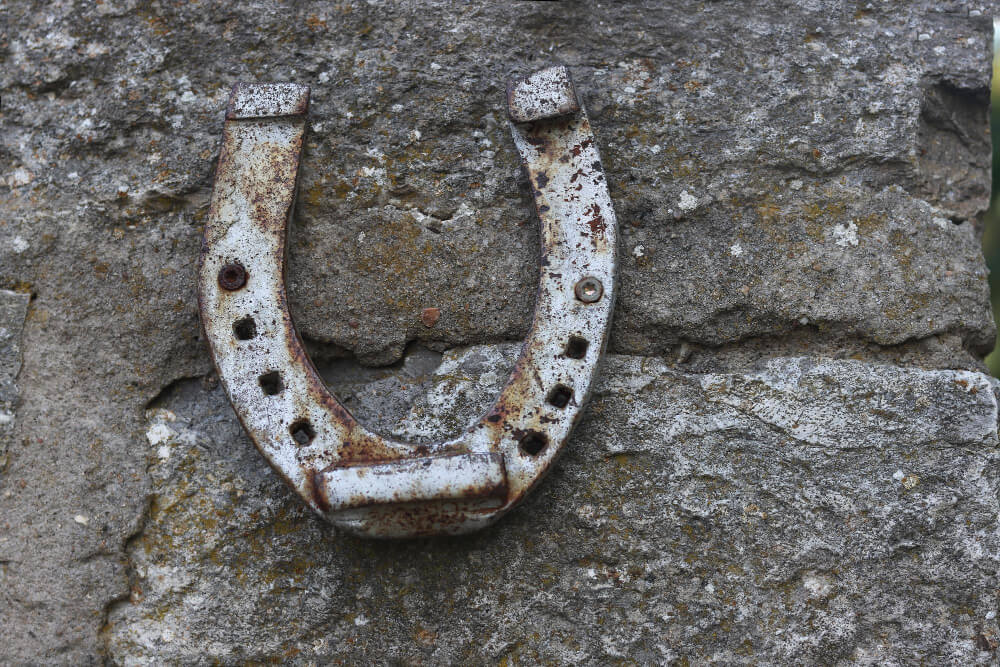
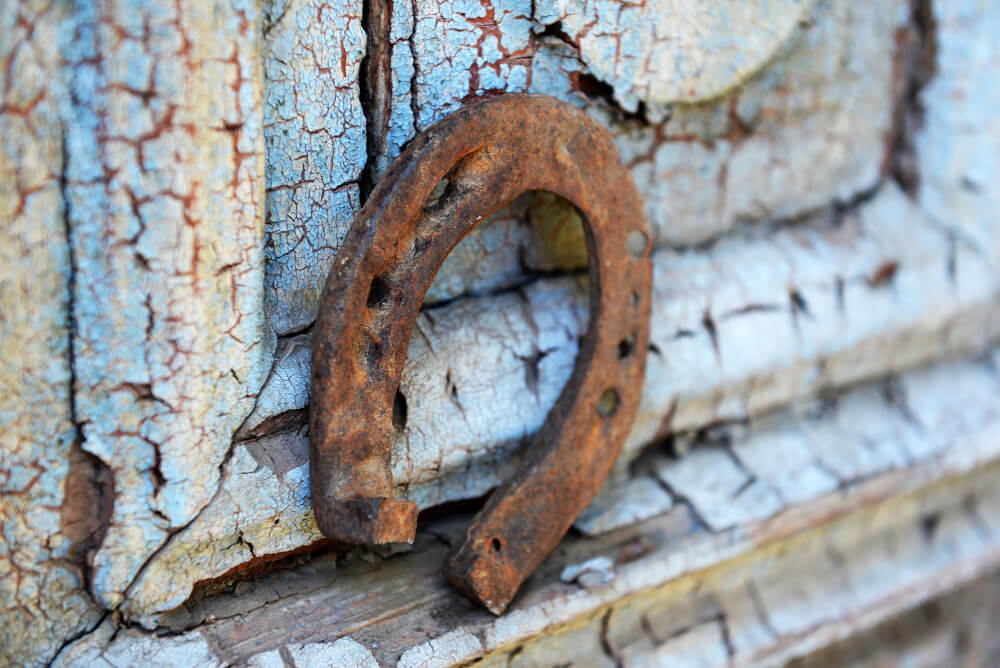
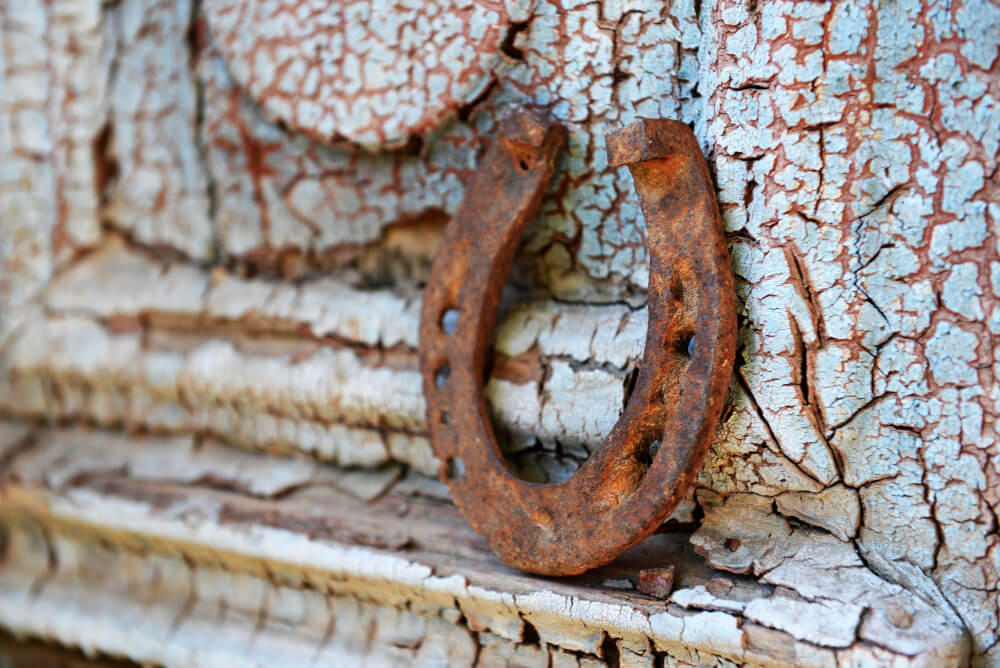
Tack-related imagery is another popular direction, sometimes used as a standalone design and sometimes combined with portrait or silhouette work. A snaffle bit. A particular bridle. A horseshoe (lucky-side up, of course). A stirrup. A specific saddle. A grooming brush. A water bucket. A particular braid pattern.
These designs work well because they reference the daily routine of horse keeping rather than just the horse itself, which often resonates with riders who feel the loss as much in the quiet morning yard work as in the riding itself. A horseshoe with the dates either side, or a snaffle with the horse’s name underneath, can carry as much weight as a full portrait.
Travelling To Sandbach
We’re in Sandbach, Cheshire, with reasonable motorway access via junctions 17 and 18 of the M6. Riders travel to us from across the UK regularly, and some come from Europe. The studio is private and appointment-only, so the day belongs entirely to you. There’s no walk-in foot traffic and no other clients in the space.
For clients travelling from a distance, particularly for larger pieces that may run across two appointments, the practical things worth knowing:
- Sandbach is a quiet market town with several pleasant places to stay locally. Many clients book a hotel for a night or two and combine the appointment with a longer visit.
- The town has cafes, decent food options, and walking routes nearby for anyone who wants somewhere reflective to be before or after the appointment.
- For larger pieces structured across two days, a midweek-to-following-week format works well, allowing the first session to settle before the second.
- We can usually be flexible about appointment timing for clients travelling significant distances. Get in touch and we’ll work it out.
About The Process
An ashes tattoo at our studio uses your horse’s prepared ashes, carefully made ready and worked into the ink for the day rather than simply stirred in untreated as can happen at a general studio. The ashes are matched to the right particle size, cleaned, sterilised to a clinical standard and cleared of contaminants before they go anywhere near your skin. The full preparation process is explained on our adding ashes into tattoo ink page.
Equine cremation produces a much larger volume of ashes than smaller animals, so there is rarely any concern about having enough for a horse memorial. Only around a teaspoon’s worth is needed for the tattoo itself. Most clients bring a small portion in a container rather than transporting a full equine urn, which is perfectly fine, and anything not used comes back to you at the end of the appointment.
Safety questions are covered fully on the are ashes tattoos safe page. The same preparation works for equine ashes as for any other species.
More Than One Horse
Plenty of riders have spent decades around horses and have lost more than one along the way. Memorial pieces honouring several horses can work in a few different ways.
Sometimes it makes sense to do separate coordinated pieces (one for each horse, in coordinated placements). Sometimes a single composition with multiple silhouettes or a herd image works better. Occasionally clients ask about combining ashes into a single design, which can be done with each set prepared separately and infused into different elements of the piece.
Some clients also book a memorial for a horse from years ago alongside a memorial for a more recent loss, treating it as a chance to commemorate horses that didn’t get marked at the time. This is completely valid and we work with it regularly.
Common Questions
Can a large portrait piece be done in a single sitting?
Sometimes, depending on the size and detail. For very large or highly detailed work, two sittings often produces a better result than one long session. We’ll be honest with you at consultation about what’s realistic.
The ashes have been kept at the yard for years. Is age a problem?
No. Properly stored cremation ashes don’t degrade in any way that affects the preparation process. Ashes from years ago work as well as recent material.
My horse was put down on the yard rather than at a vet hospital. Does that change anything?
No. The cause of death and the location of cremation don’t affect the ashes’ suitability for the preparation process.
Can the design conversation happen before I travel in?
Yes. Most riders travelling from a distance start the consultation by phone or email. Photographs and reference material can be shared in advance, the design developed remotely, and only the appointment itself happens in person.
Can I bring tack or other physical reference to the consultation?
Yes. If you have a particular bridle, halter, or item that you want to reference in the design, bring it. Sometimes a physical object gives us a reference that photographs can’t.
What if my horse is still alive but elderly?
Some clients reach out in advance, particularly for older horses. There’s no commitment in starting a conversation, and we don’t push.
Can I commemorate my horse and a past horse together?
Yes. We can structure a single piece with elements for each, or design a coordinated set.
Booking
When you’d like to start the conversation, call 01270 385001, email info@bubblegumink.com, or use the contact page. For clients travelling from a distance, sending photographs and an outline of what you have in mind in your first message can speed up the design process.
Bubblegum Ink ® is in Sandbach, Cheshire, welcoming riders from across the UK and Europe. We also work with dogs, cats, and a wider range of pets. Our coping with grief page may also be useful at this stage. Also if you want find out even more on this subject, we have a Guide To Horse Ashes Tattoos.
Bubblegum Ink ® | Sandbach, Cheshire | 01270 385001 | info@bubblegumink.com
Written by Paul Cutler, founder of Bubblegum Ink ®. Read more about Paul.